About the Project
Background
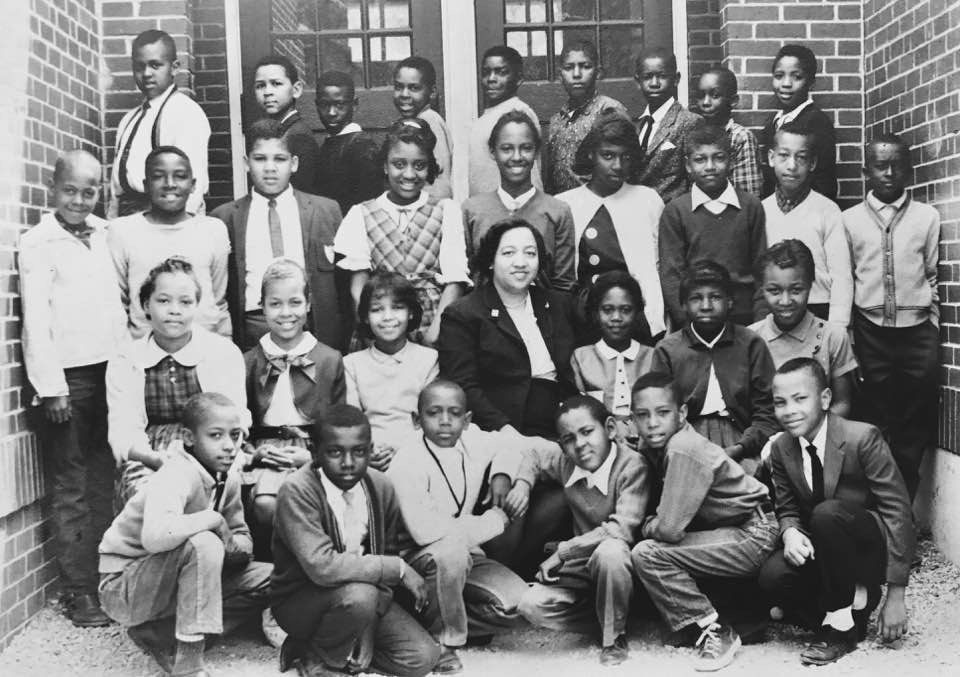
In 1947, 23 courageous parents from Pulaski County joined Dr. Percy Corbin in filing a lawsuit against the Pulaski County School Board, demanding better educational facilities for 54 Black children. The case, Corbin et al. v. County School Board of Pulaski County, resulted in a successful outcome in 1949 and marked a significant step in the ongoing struggle for educational equality. This local effort also contributed to the growing momentum that culminated in the landmark Brown v. Board of Education decision in 1954.
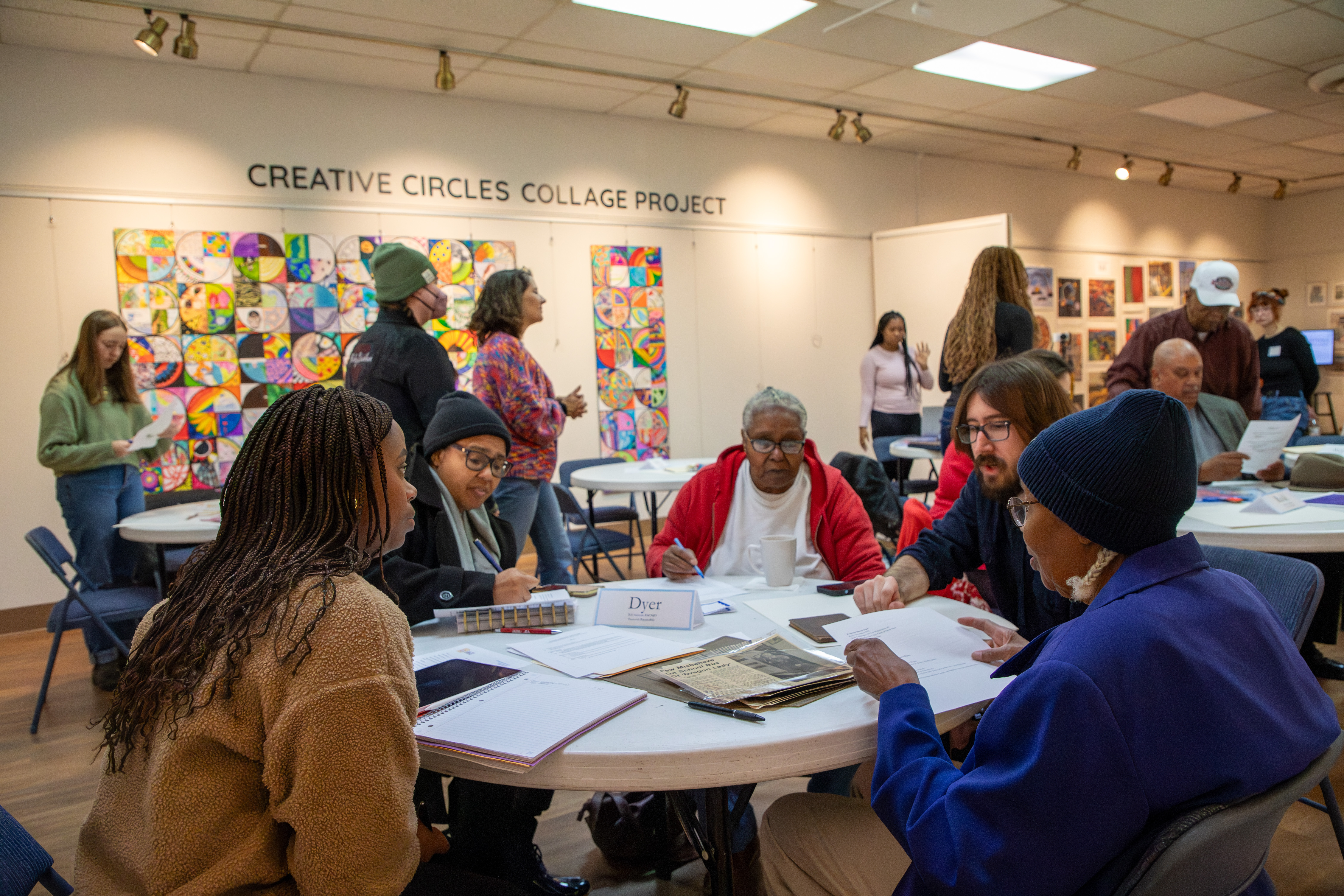
To commemorate this significant chapter in civil rights history, the 23/54 Project has created a quilt that serves as a living monument to these families’ resilience and determination. Each of the 23 squares represents one of the families involved in the lawsuit, offering a window into their histories, achievements, and enduring values. The quilt’s design was a collaborative effort, with descendants participating in sessions to share their stories and influence the artistic direction. Crafted by a dedicated local quilting group, the quilt incorporates over 400 artifacts, each narrating a unique aspect of the families’ journeys and the broader struggle for educational equity.
PROJECT COMPONENTS
- Oral History Interviews: Captured personal stories from Black families who lived through these struggles.
- Story-Gathering Events: Informal community sessions were held to collect additional narratives.
- Community Quilt: The community-based quilt project, the Quilting Justice Monument, served as a central feature of the project, representing the collective memory, creativity, and resilience of the community.
- Traveling Exhibit: The quilt, along with accompanying interpretive materials explaining the meaning behind each quilt block and a panel detailing the background of the 1947 lawsuit, traveled throughout the New River Valley, Wytheville, and Galax from June through October 2025. The quilt remains available for loan for public viewing.

- Digital Exhibit: A digital exhibit showcasing an interactive digitized quilt with multimedia components, a documentary about the 23/54 Project, tools for other communities, and oral history interview clips was made available online. The exhibit is planned to be available on an interactive touchscreen at the Calfee Center by December 2026.
- Resources for Communities: Project leaders documented this process in order to develop tools to help other communities preserve and share their own histories and struggles. Community partners in Wytheville, Galax, and Christiansburg also worked with the 23/54 team to develop programs utilizing the traveling exhibit, contributing to their organizations’ and communities’ missions during the summer of 2025.
- Fellowship Program: A paid team of researchers representing the local community, along with university students, gained valuable research and community organizing skills while contributing to the research and community-building aspects of the project.
The Advisory Board
The 23/54 Project Advisory Board provided direction to the 23/54 project team as it navigated this important project. The board consisted of individuals and representatives of organizations with connections to the history of African American struggles for equality in the Appalachian Mountains, as well as cultural institutions that provided technical assistance to the project:
- Descendants of the twenty-three families who were part of the 1947 lawsuit,
- Calfee Center Board members,
- Representatives from other alumni-led regional organizations working to restore Jim Crow era Black schools, including:
- Christiansburg Institute Alumni Association
- Galax’s Rosenwald Revamped, and
- Wytheville Training School
- Draper Arts and Quilting Collective
- Fine Arts Center of the New River Valley
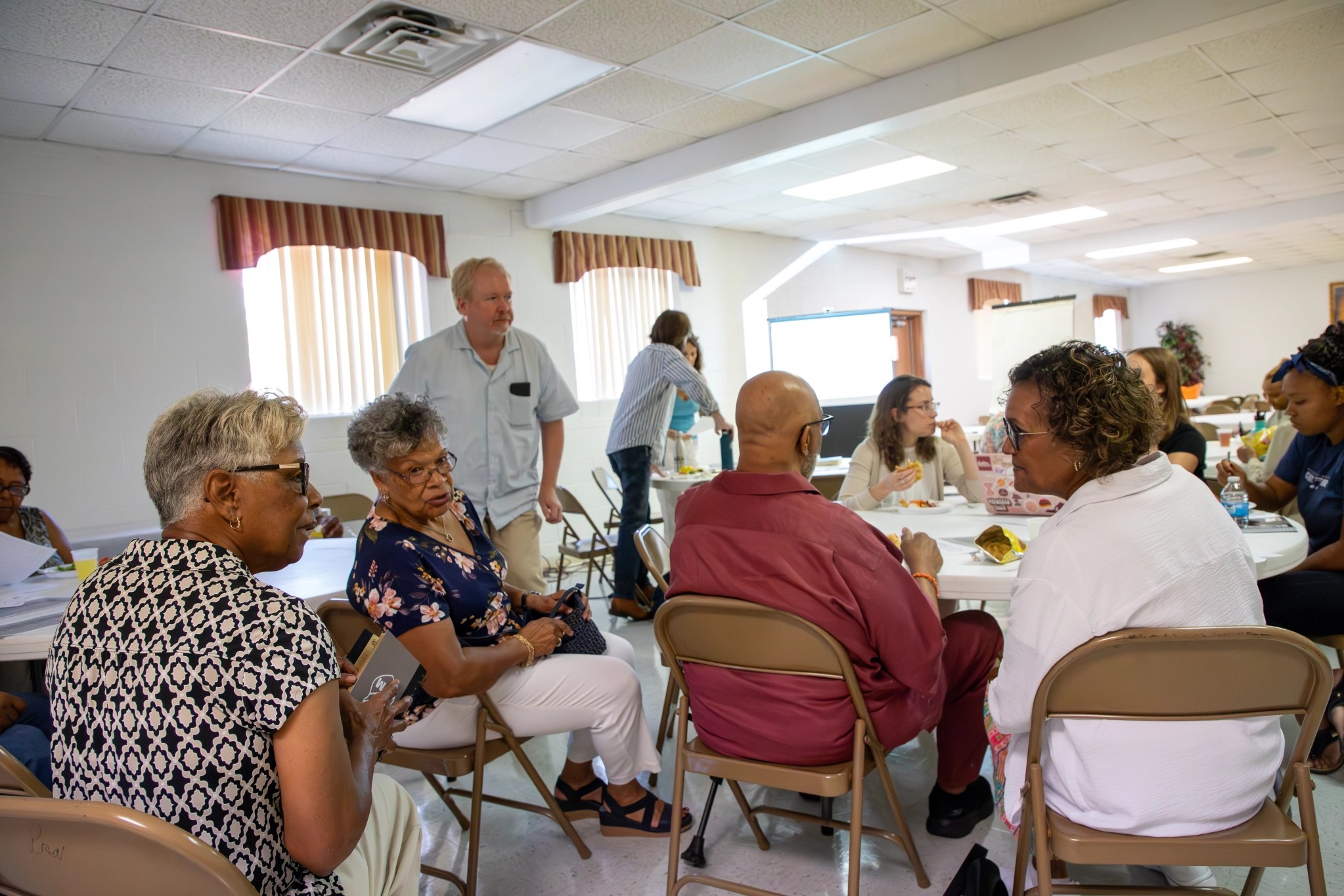
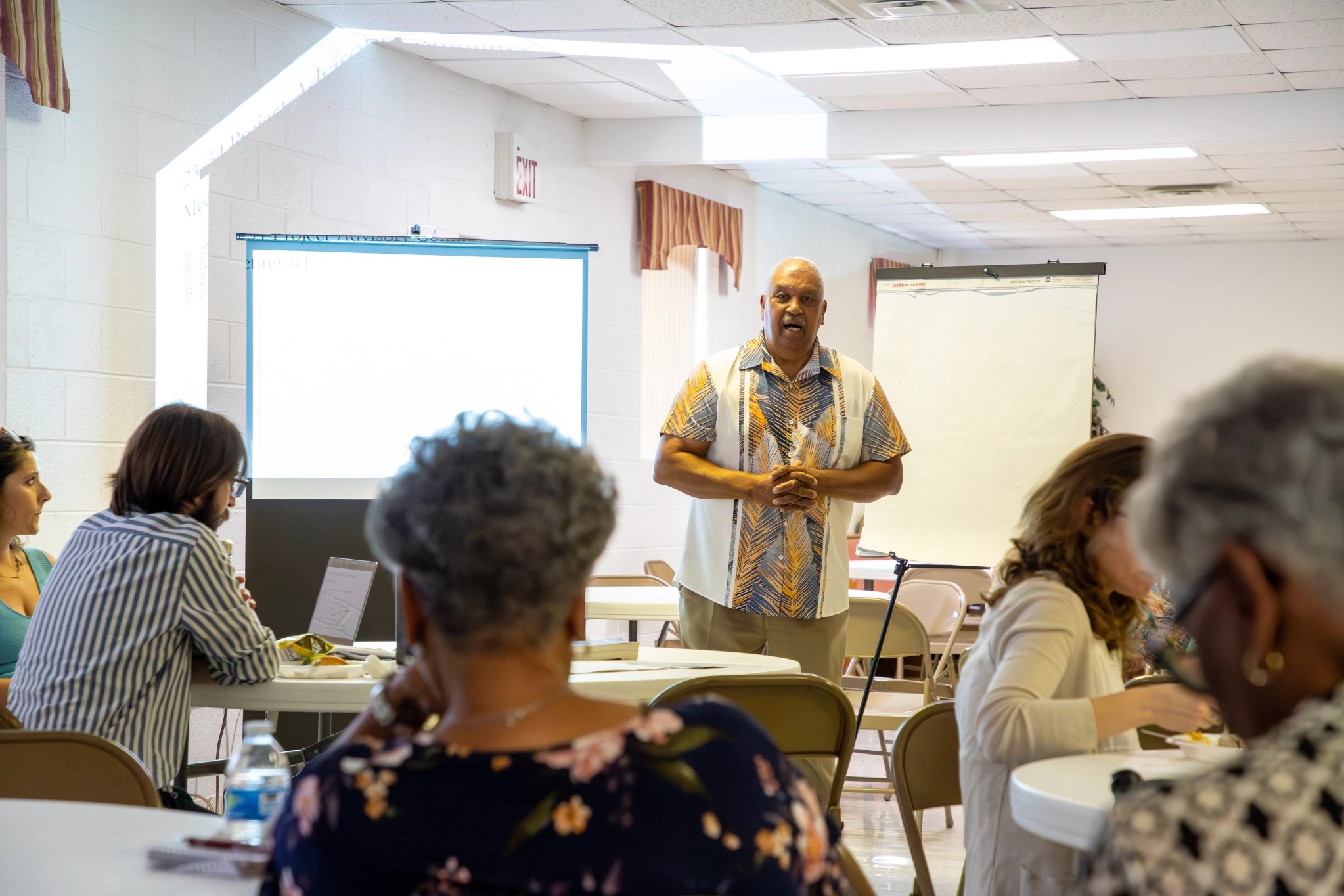
A major topic discussed at the first advisory board meeting was how success for the 23/54 project was to be defined. Two primary perspectives emerged: whether success could be measured by honoring the parents and children who fought for better educational opportunities, or by inspiring young people to take action and stand up against injustice in their own communities. Although no formal conclusion was drawn, the discussion proved fruitful in surfacing two primary goals of the project:
- Honoring the brave parents, their children, ancestors, descendants and all Black families in Southwestern Virginia who have fought for justice and improved conditions for their families, communities, and future generations.
- Inspiring young people today to take action against the injustices they face in their own communities—just as those parents did in 1947.
PROJECT TIMELINE
- June 2024-November 2025: Research fellows hired; research team researched families involved in the lawsuit.
- July 11th 2024: First Advisory Board Meeting and quilt team meeting kick-off
- November 2nd, 2024: Design Workshop 1: Attended by community members and descendants of families who were a part of the 1947 lawsuit.
- November 16th, 2024: Design Workshop 2
- December 7th 2024: Design Workshop 3
- January 14, 2025: Quilting Kickoff: The Draper Arts and Quilting Collective received the quilt block designs from the research team and begun the work of sewing the quilts.


- January 31, 2025: Community Meal and Story Swap: An evening of storytelling about the 23 families, the lawsuit, and beyond, featured Appalachian storyteller and musician Aristotle Jones, who composed an original song about the 23/54. The song was made available to listen to [Here].
- February 7, 2025: Second Advisory Board Meeting
- Late April 2025: Third Advisory Board Meeting
- May 31, 2025: Quilt unveiling event program honored the families, including keynote speaker Leon Russell, Chairman of the National NAACP Board of Directors. Hundreds of attendees were present, many of whom were descendants of the 23 plaintiffs.
- June – October 2025: The quilt and accompanying interpretive materials traveled to Christiansburg, Galax, and Wytheville to support programming in those communities. During this period, the quilt was also displayed in additional locations throughout Pulaski County and beyond, as availability allowed.
- September/October 2025: Final Advisory Board Meeting
- November 2025- Present: The documentary was released and is now available online [Here]. Although the quilt has not yet been permanently installed, it remains available for loan for public viewing. For inquiries, please contact Keiona@calfeeccc.org.
 23/54 PROJECT