
Conner
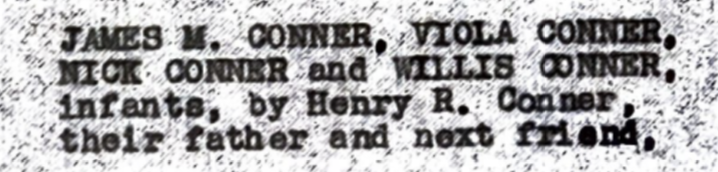
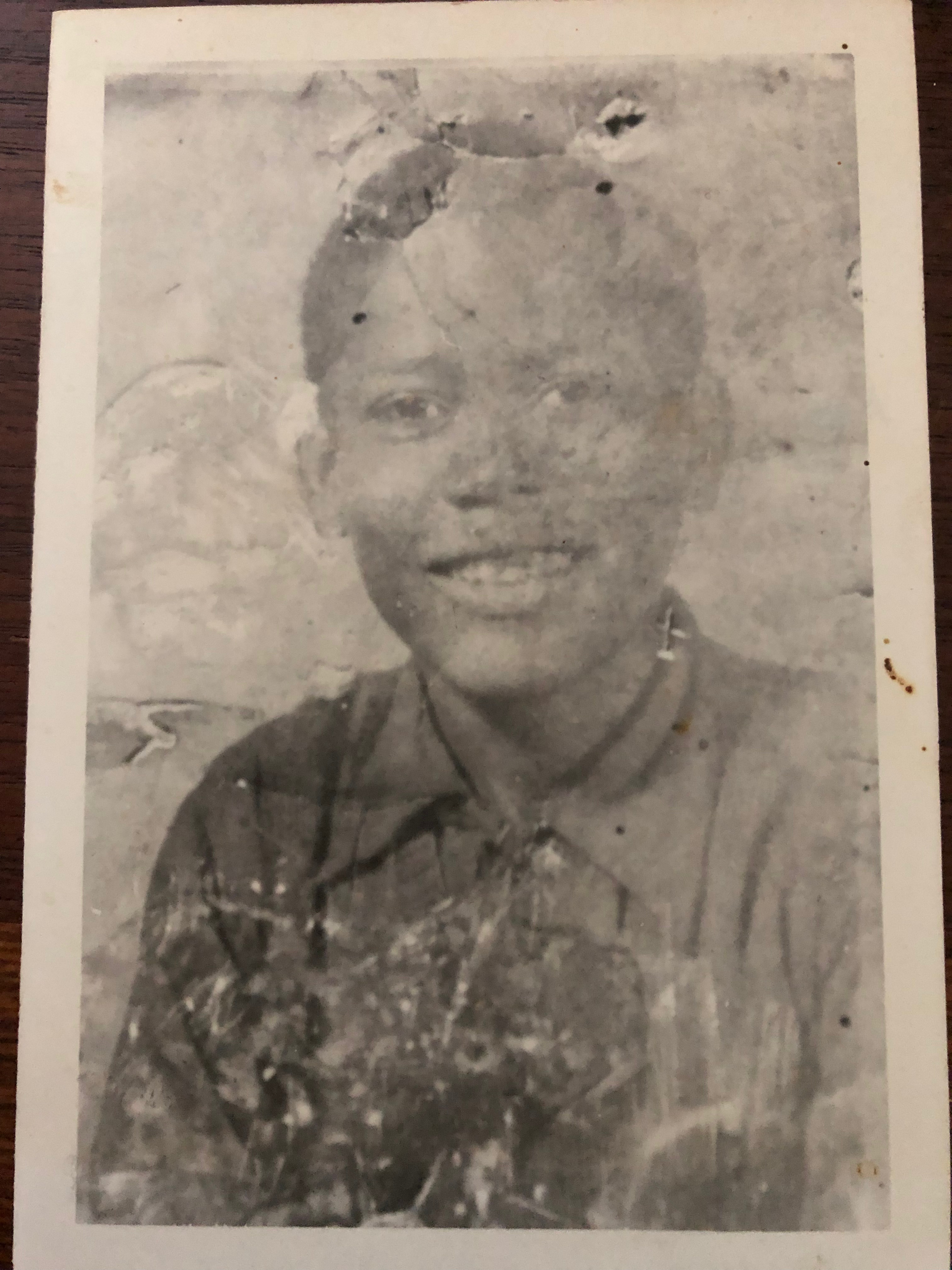
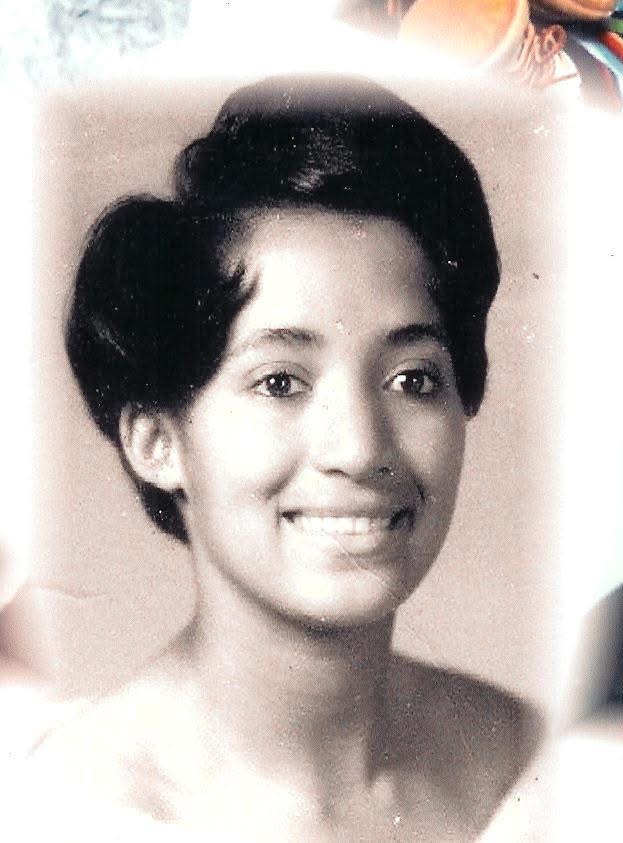
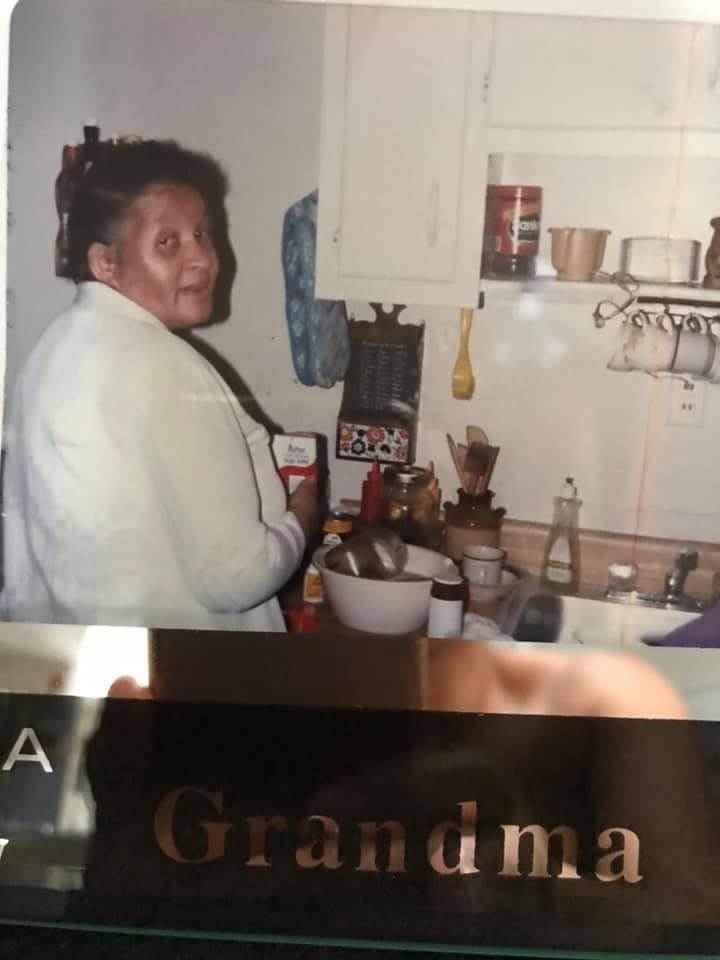
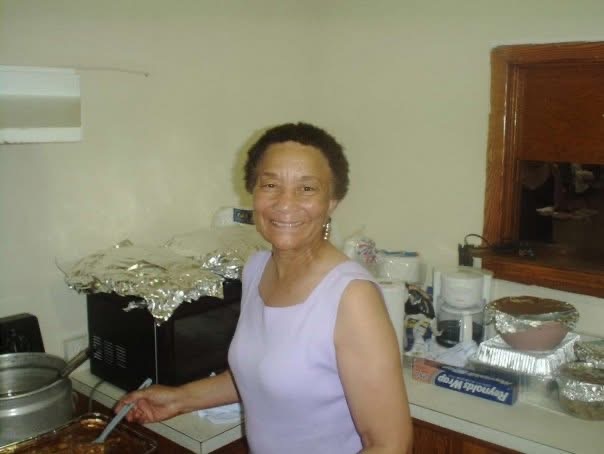
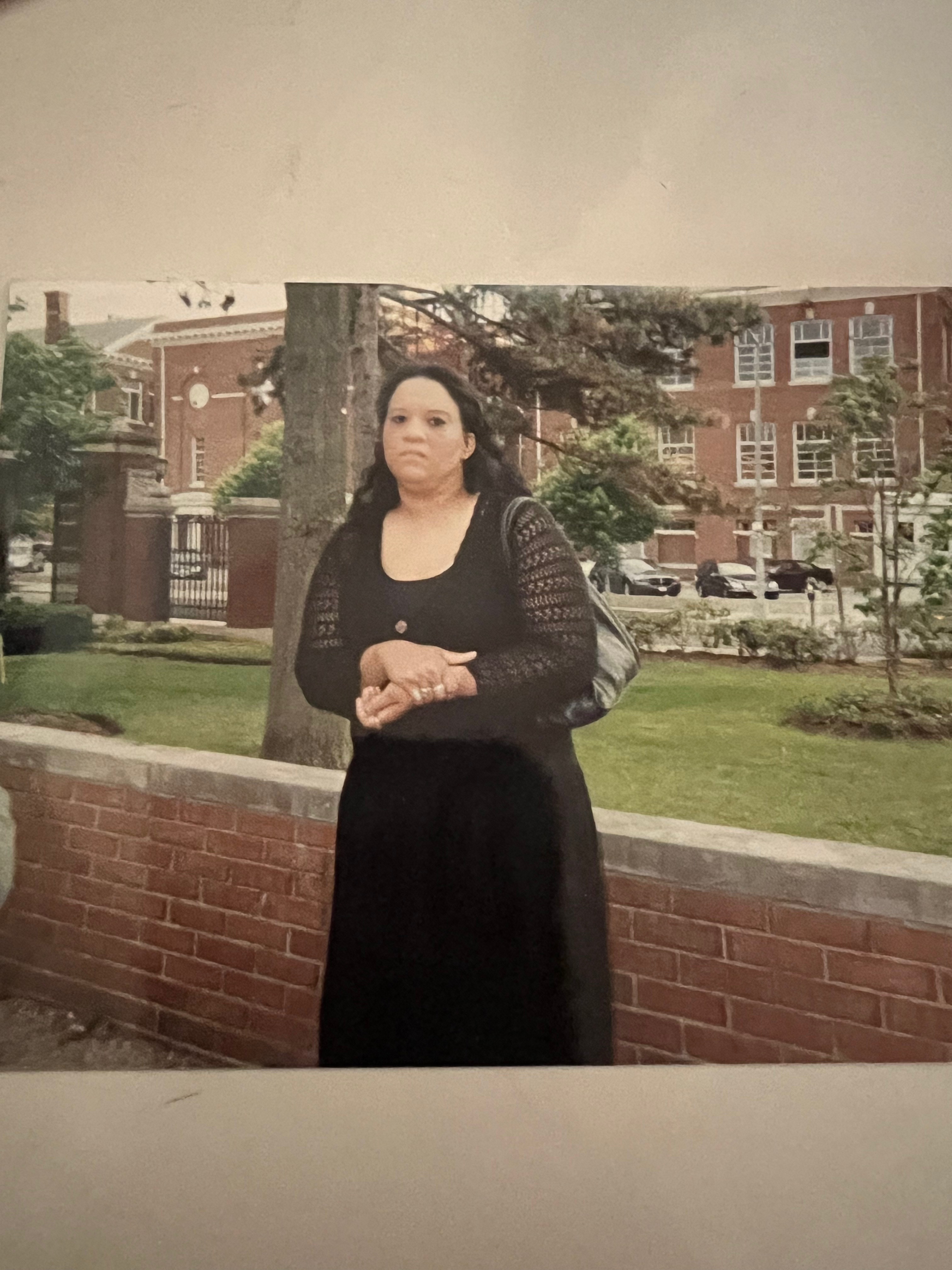
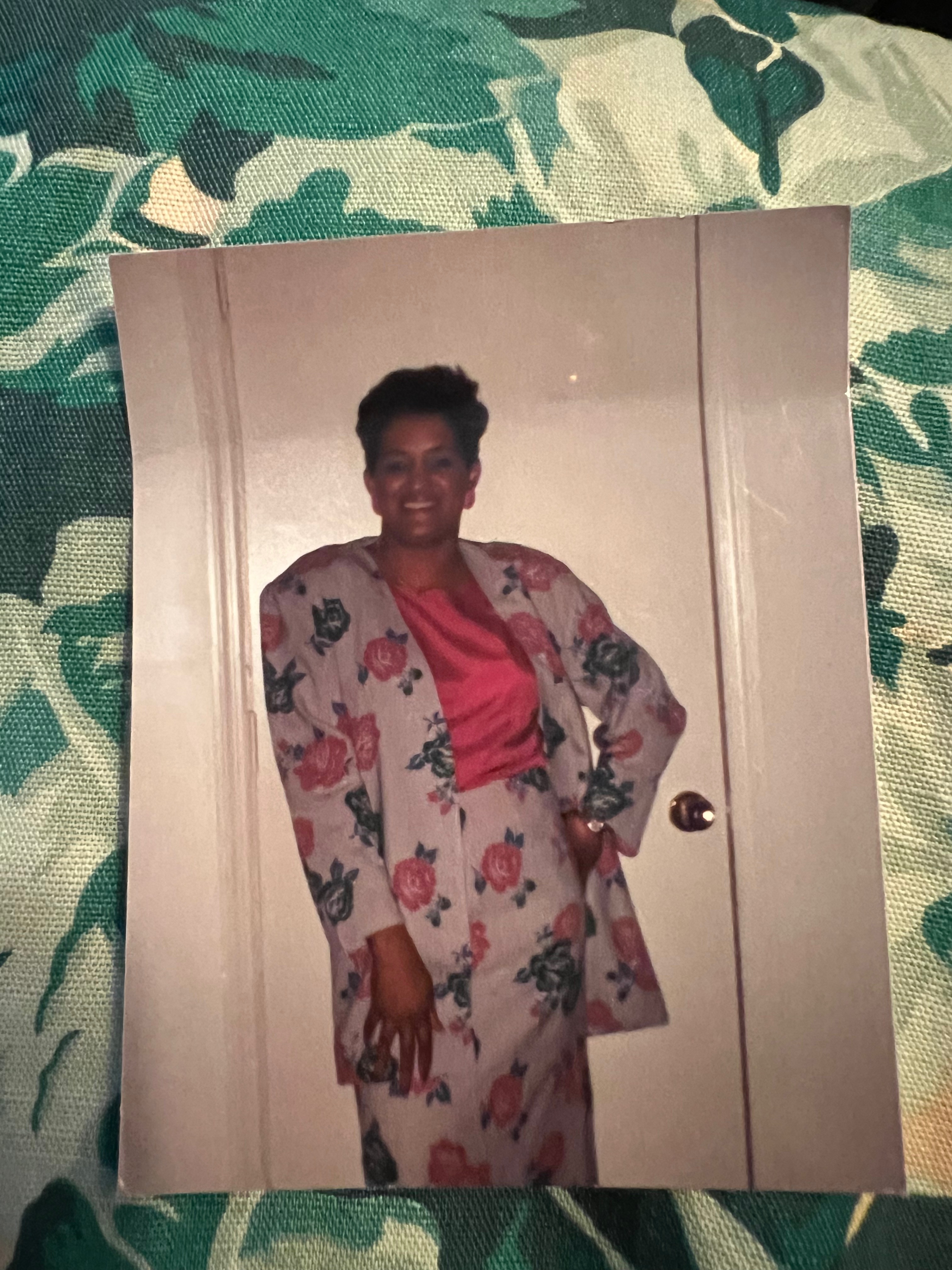
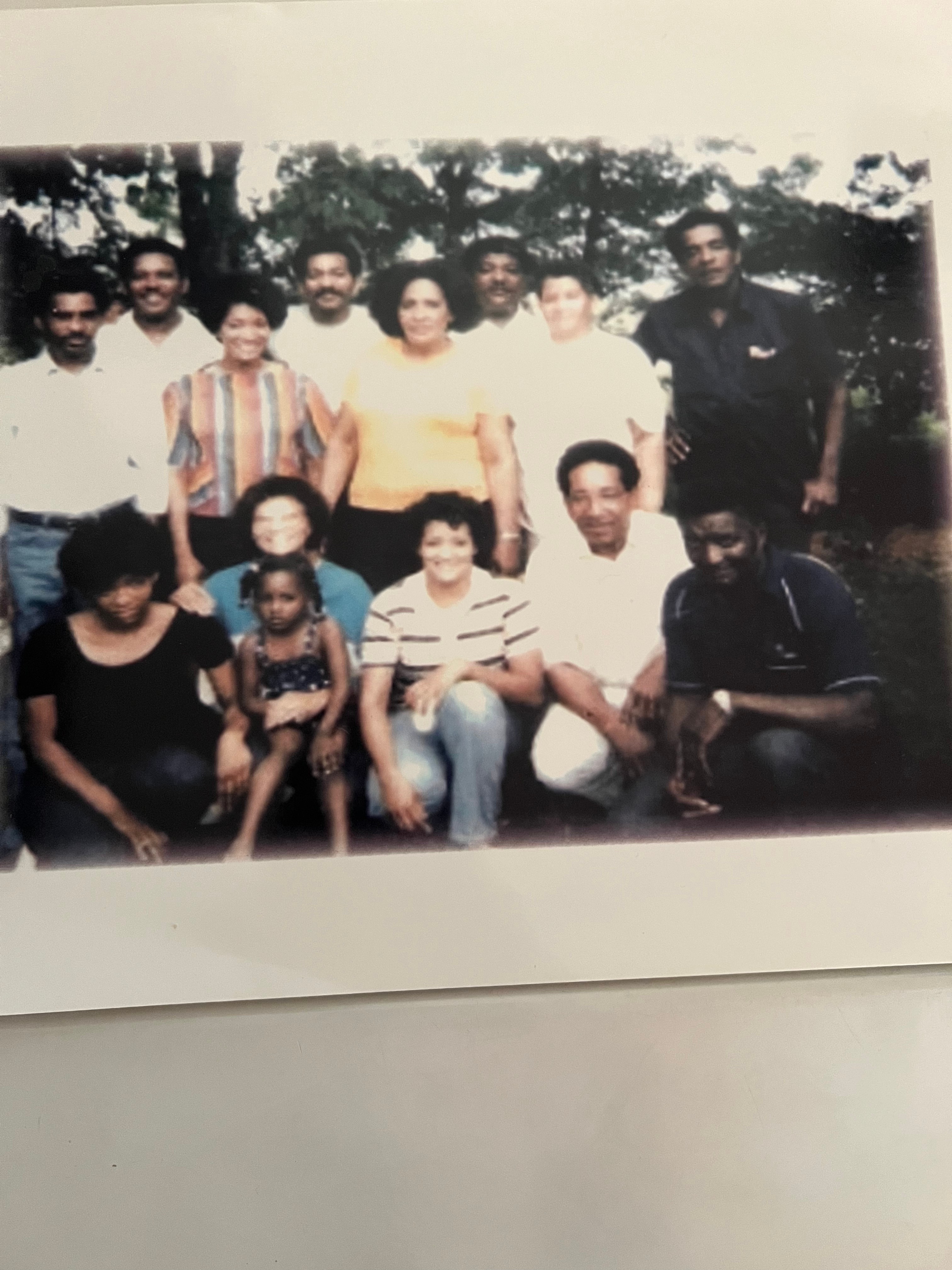
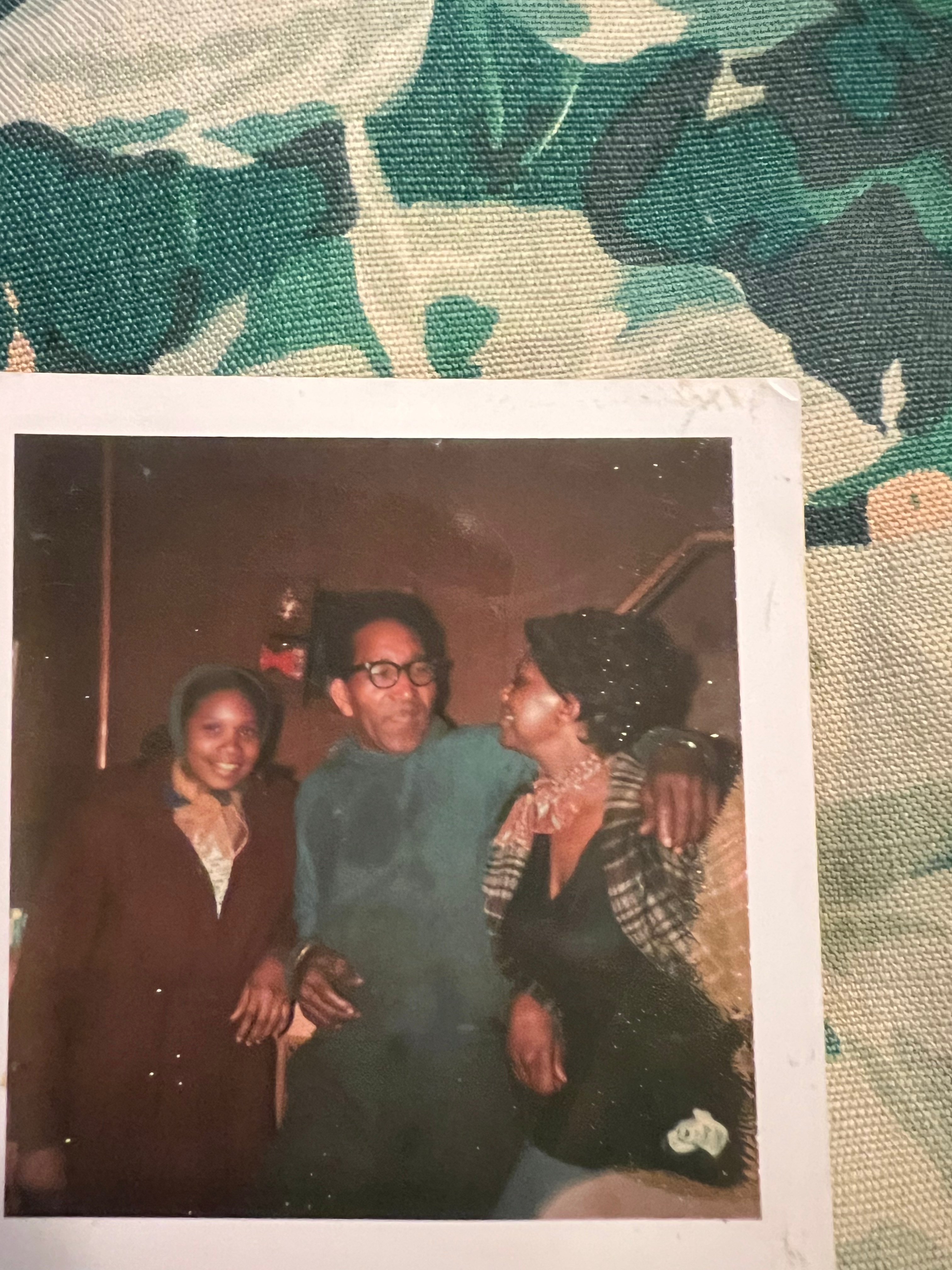
Henry R. Conner signed on to the Corbin et al. v. County School Board of Pulaski County (1947) lawsuit, on behalf of his children—James, Viola, Nick, and Willis Conner. From railroad and farming roots to military and business achievements, the Conners reflect a legacy of hard work, community pride and family dedication– a testament to how deeply they have cared for one another across generations.
Explore the quilt by clicking on the various elements
For best user experience, use full screen mode
An interactive graphic of the quilt square. The linked information can also be found below.
While only five family members signed onto the case (Henry, James, Viola, Nick, and Willis), the quilt displays a vast array of the Connor family members, demonstrating the family’s close ties and connection to each other over the generations.
Learn More About the Conner Family
Artifacts by Family Member
Henry R. Conner
Summary
Henry Conner was born on June 12, 1899 to parents Harrison and Fannie Ferline Conner. Henry Conner had several occupations. In the US Census of 1920, Henry is listed as a laborer at a saw mill, then in 1940 he is listed working on the construction of a state road, and in 1950 he is listed as a lumber stocker at a radio factory. This demonstrates his position as a skilled laborer. According to his obituary, published in The Southwest Times on April 28, 1968, Henry had six daughters, seven sons.1
Named Participant List
Railroad
Before the Civil War, almost every railroad built in the American South was constructed using slave labor. During the Civil War, the U.S. Military Railroads Department employed African Americans to support Union efforts in transporting goods to the North.2 After emancipation, the U.S. South struggled economically and needed to rebuild during the Reconstruction Era. Because the South was accustomed to enslaved labor, it turned to cheap convict labor to build railroads. Depending on the area, the majority of these convicts could be Black. The work involved in this labor was often dangerous and exposed workers to harmful chemicals. Although almost no records exist, historians are confident that Black workers contributed to the completion of the Transcontinental Railroad.3
Harrison Conner and Fannie Ferline

Harrison and Fannie were the parents of Henry R. Conner.
James Conner
Summary
Text
James Conner was the eldest son signed onto the Corbin et al. v. County School Board of Pulaski County, VA. et al. lawsuit.
Vegetables and Produce
Vegetables and produce are depicted to represent James Conner’s farming background. Agriculture is one of the most populous industries in southwest Virginia. The fertility of the soil and the vast waterways that inhabit the region solidified its status as a growing area for both the colonists and modern-day farmers.4 The arrival of railroads in the mid-19th century, Pulaski’s agricultural market spread across the nation. However, there is a current decline in agriculture in Pulaski. There is a need to encourage younger generations to pursue this career and to ensure and improve the economic resilience of farms.5
Viola Conner
Summary
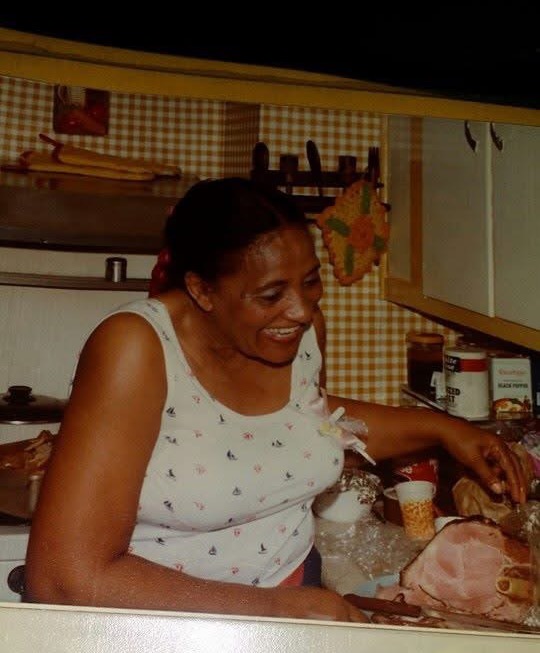
Viola Conner was born around 1933 to parents Henry R. Conner and Sarah Calloway Conner. She was the second oldest child that her father Henry Conner signed onto the Corbin et al. v. County School Board of Pulaski County, VA. et al. case but had many other brothers and sisters. Not much is known about her personal life, however, she married James Francis and relocated to New York.
Nick Conner
Summary
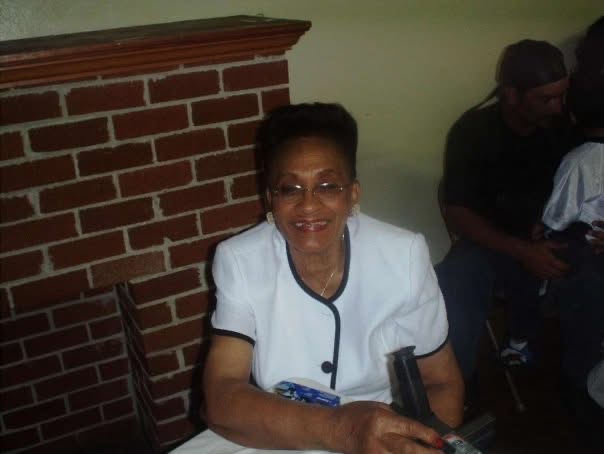
Nick Harrison Conner was born in Pulaski on October 3, 1935 to parents Henry Conner and Sarah Calloway. Nick relocated to Cleveland, Ohio where he lived for the rest of his life. Nick passes away in 1997, leaving his children Andrea, Antionne, and Gwen to cherish his memory.6
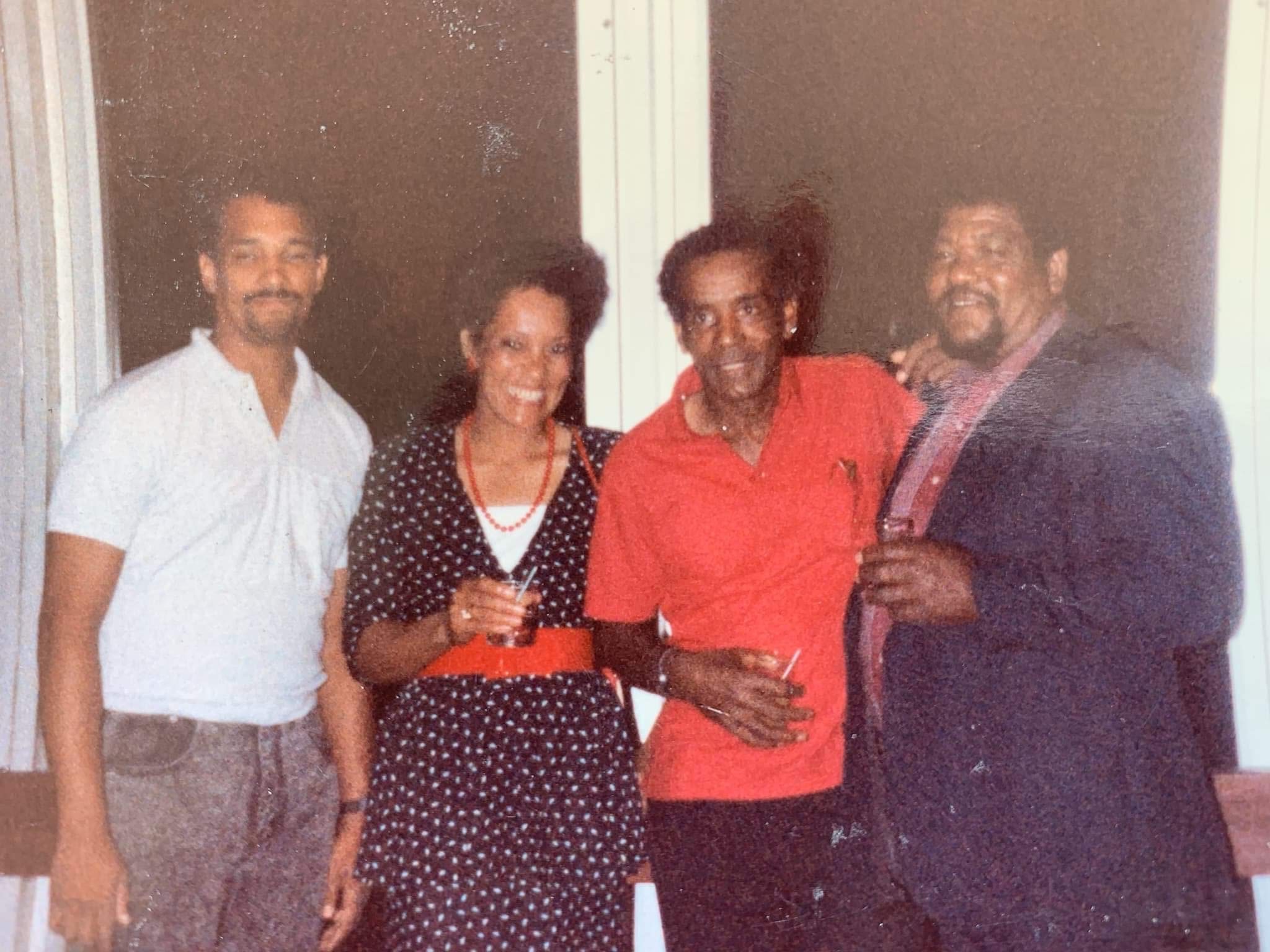
Nick Conner was the second youngest son signed onto the Corbin et al. v. County School Board of Pulaski County, Virginia et al. lawsuit under the Conner name.
Willis Conner
Summary
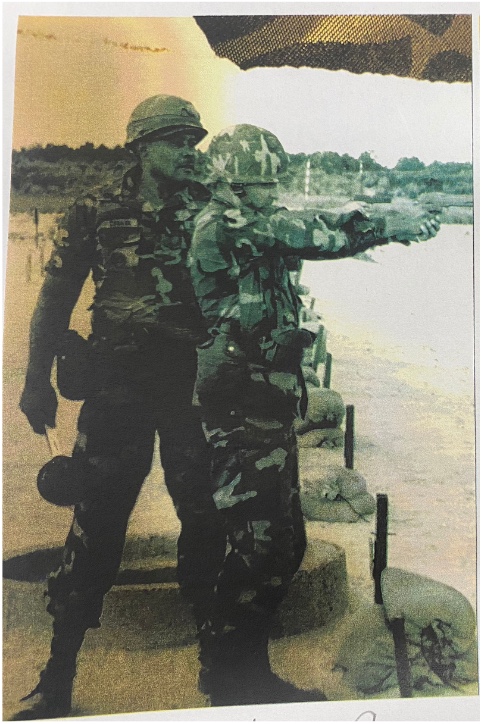
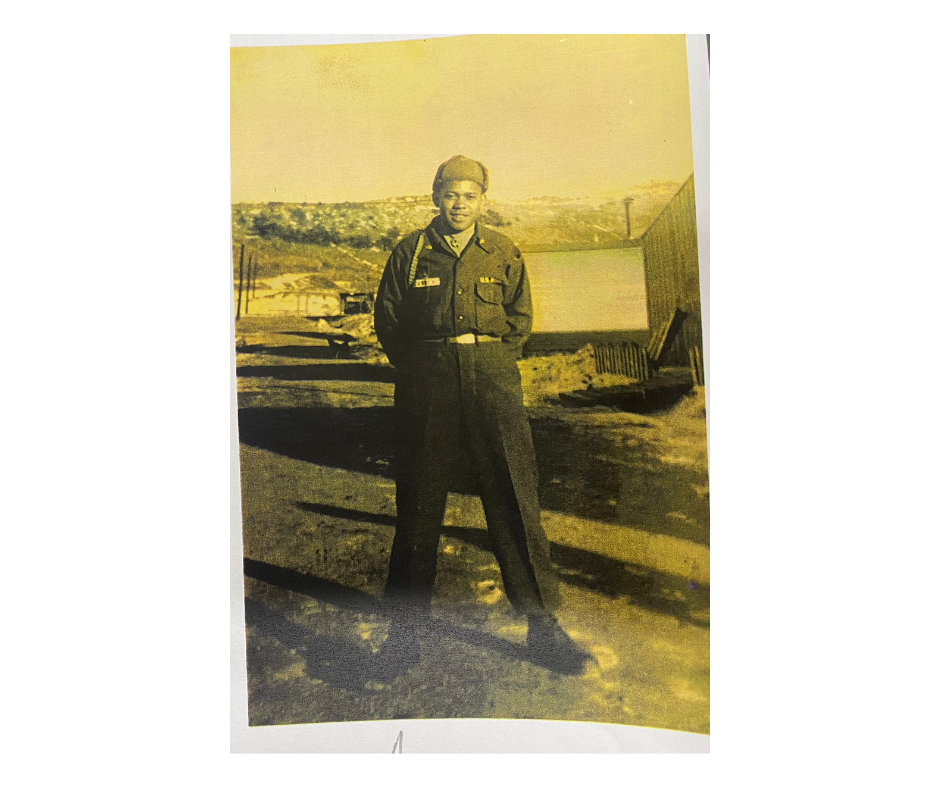
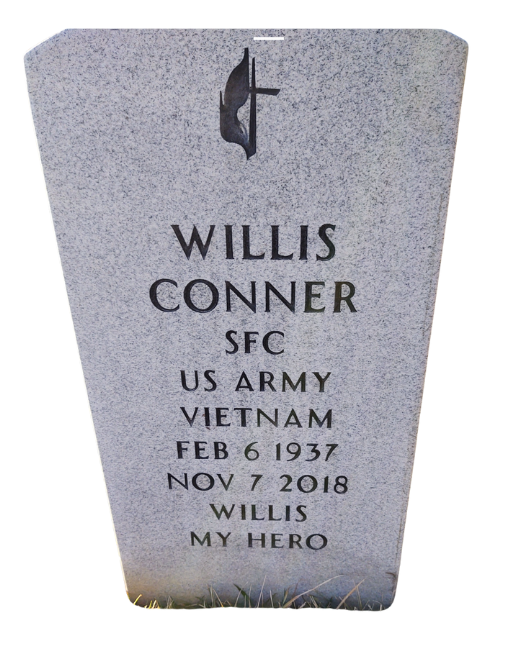
Willis Conner was born on February 6, 1937 to Sarah Calloway and Henry Conner. Willis Conner was the youngest son to sign onto the Corbin et al. v. County School Board of Pulaski County, VA. et al. case under Conner’s name. Willis served in the Vietnam war as a Sergeant First Class. He then worked for the Radford Army Ammunition Plant for 33 years. Willis had eight children, Charlene Hale, Daniel Conner, Tony Conner, Jerome Conner, Christina Rhett, Tamara Conner, Raquel Conner, and Daidrean Conner. Willis passed away in November of 2018.7
Symbolic Representation
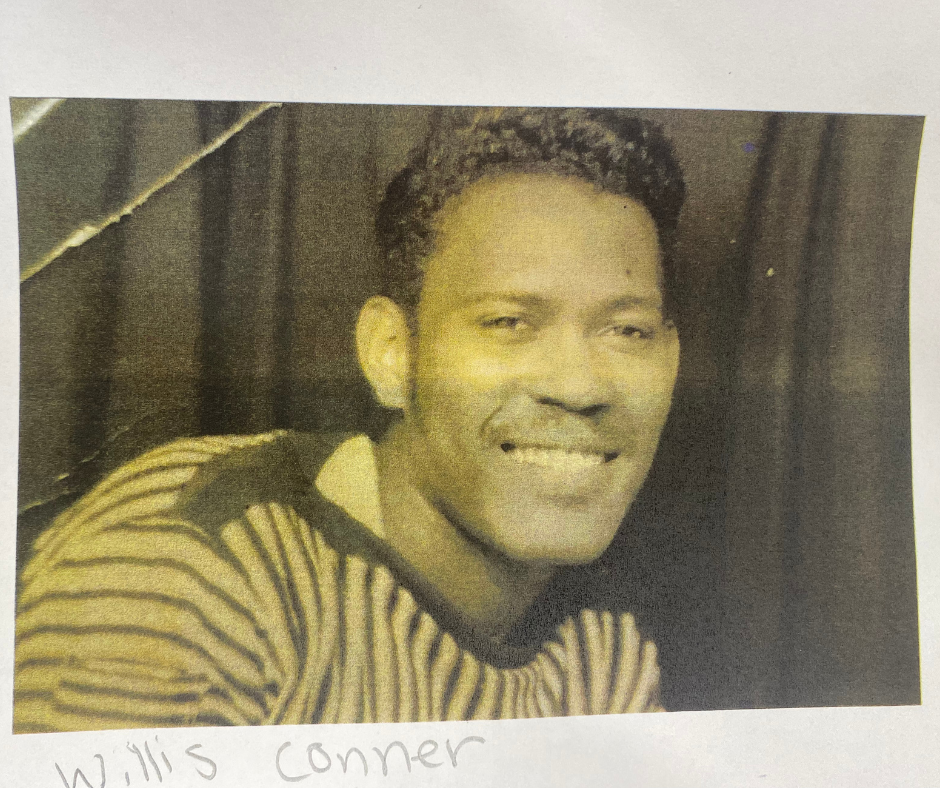
Images of Willis Conner as he served in the army stationed in Korea.
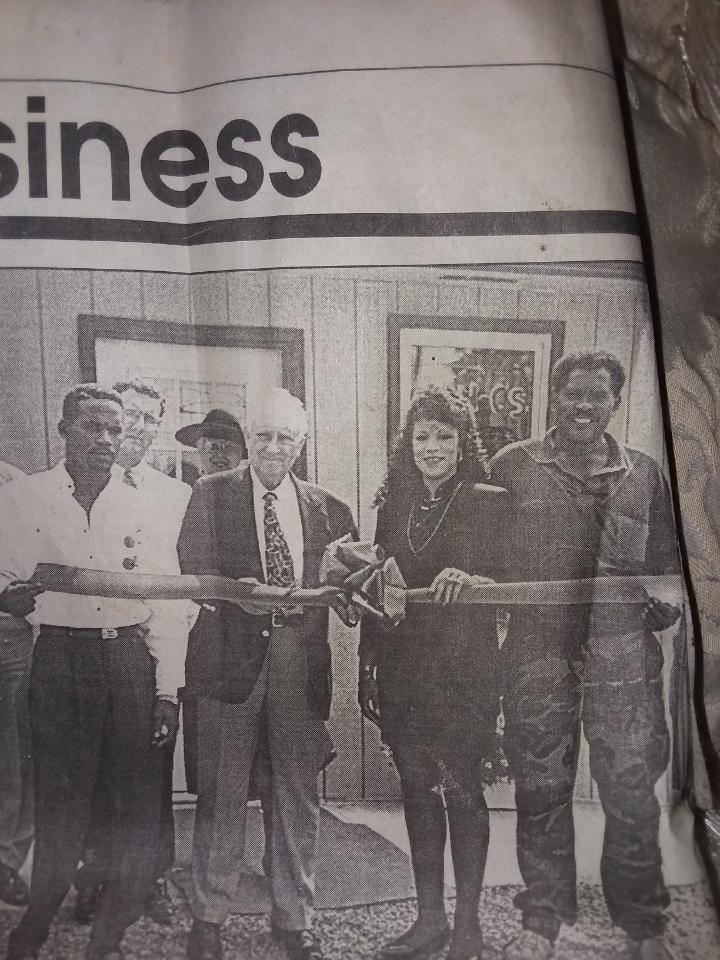
Willis Conner was an entrepreneur. The image shows Willis Conner and his second wife, Angela Conner, during a ribbon-cutting for a store, laundromat, and salon in 1991. The names of the businesses were: Quick Shop Market, Willis Laundry, and Ang-s Salon.
Willis Conner grave (SFC, military headmarker)
The history of military graves and national cemeteries in the United States begins with the Civil War. The first national cemeteries were established at the beginning of the war.
Burial practices for soldiers have evolved. During the Revolutionary War, soldiers were usually buried in churchyards or family grave plots. However, as the U.S. population grew and urbanization increased, concerns about sanitation in burial practices arose. During this era and into the Civil War, grave markers were often nonexistent, and soldiers were frequently buried in unmarked graves near the battlefields where they died.
By 1867, growing concerns about the soldiers’ burial conditions led to the passage of the Act to Establish and Protect National Cemeteries. This law required the Secretary of War to enclose every national cemetery with a barrier and to mark every gravesite with a headstone.8
Hattie Sharon Conner
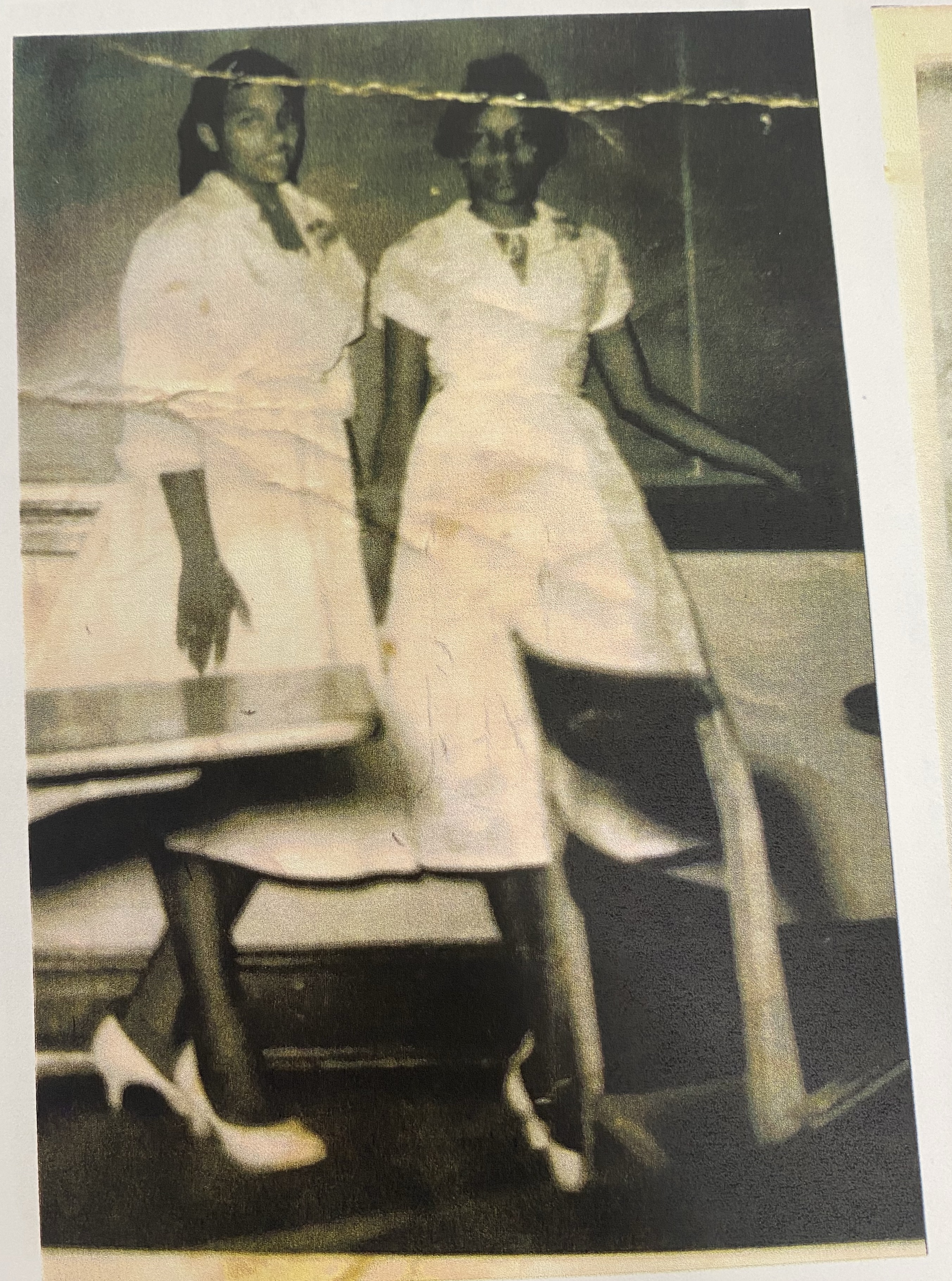
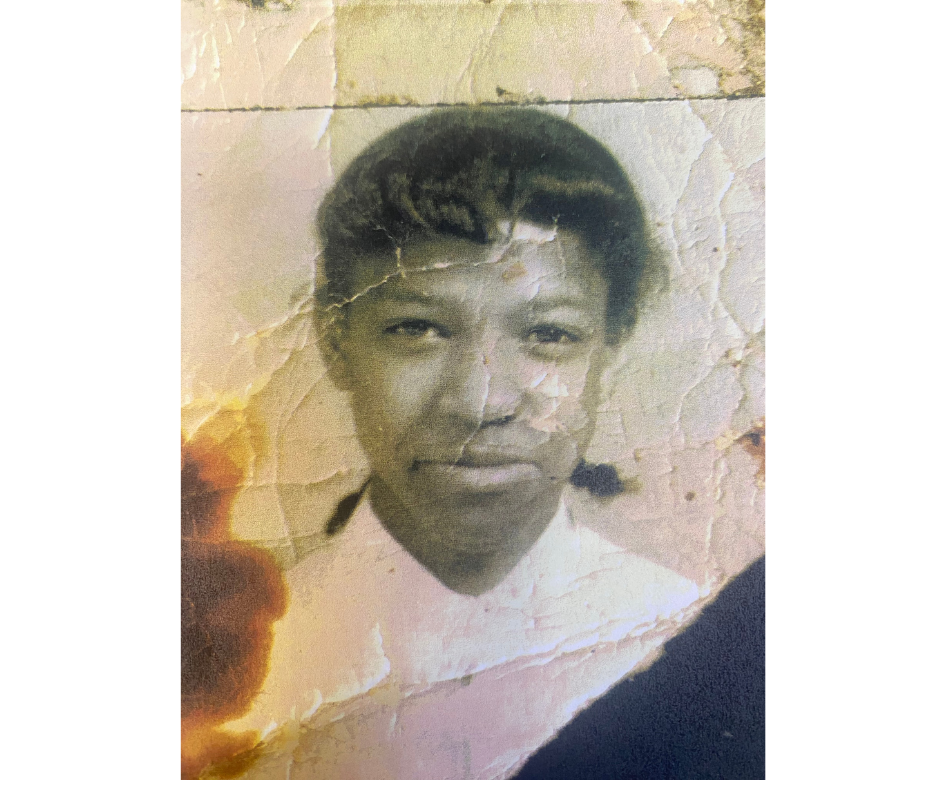
Sharon Carter Conner married Willis Conner in 1960. They had four children together and lived in Pulaski, Virginia.
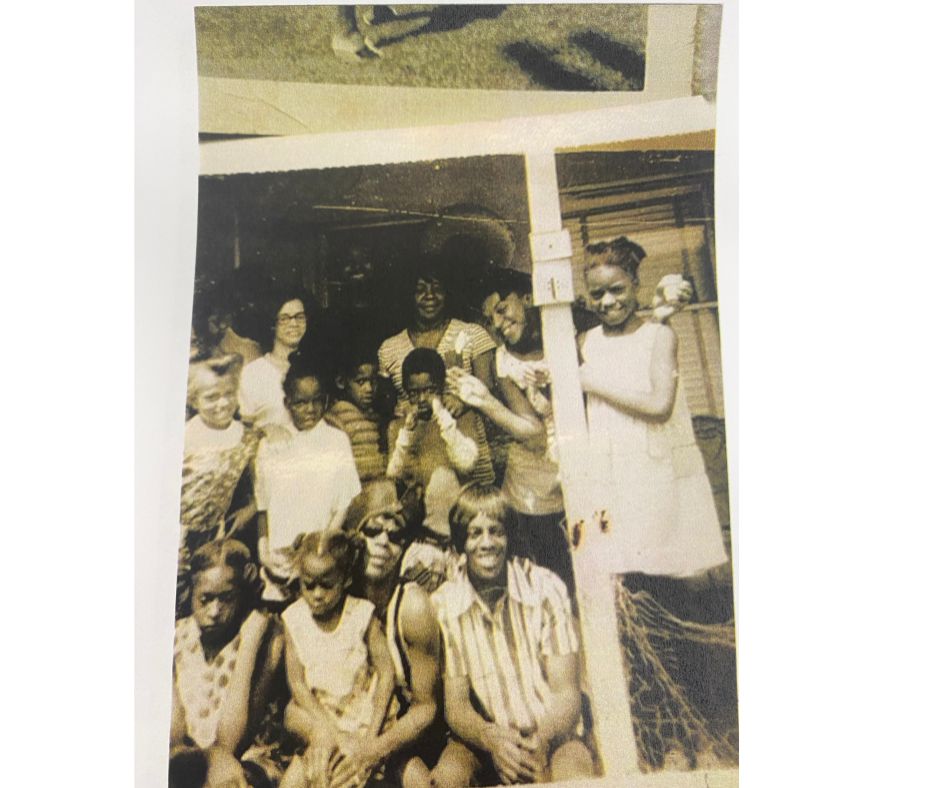
Tony Wendell Conner
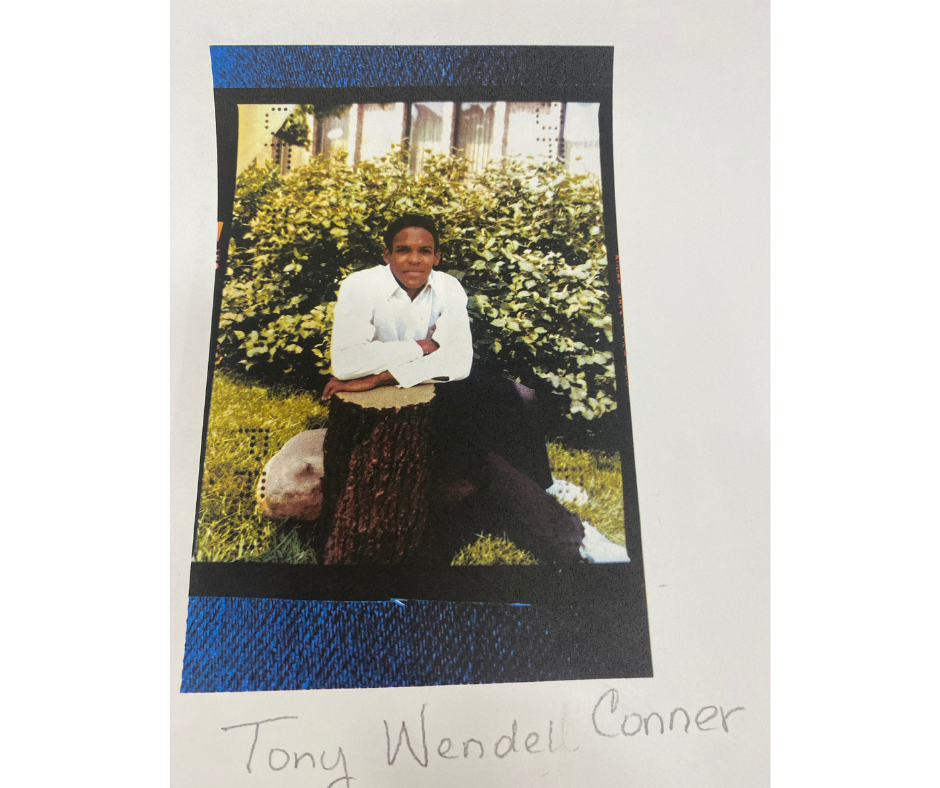
Summary
Tractor Trailer
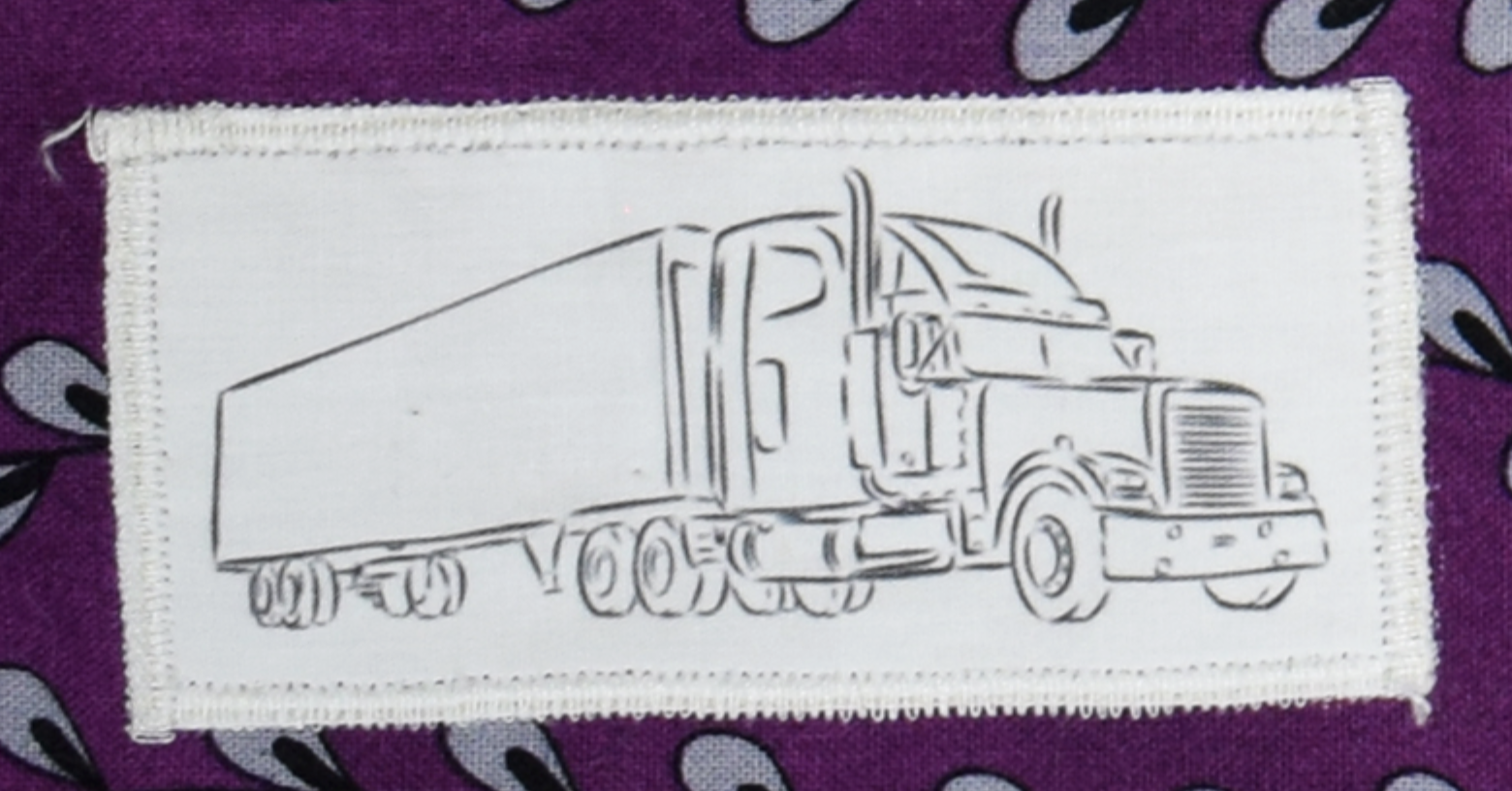
A Volvo truck line drawing was added because Tony Conner work at Volvo. Black Americans have a long history with the auto industry. Due to its reputation as a prime car production center, Detroit was one of the most important cities for Black Americans to seek more economic and social opportunities. However, in 1940, only three percent of the auto industry workforce was Black. In addition, most Black workers were overqualified for the positions they held. Discrimination against Black workers caused auto manufacturers to be picky and only select the most qualified African Americans from the job pool. The activism of the 1960s led to more auto jobs for Black Americans, mostly in plants located in major cities. The Trade Union Leadership Council, a reform organization led by African Americans, pushed for the expansion of Black Americans into higher-paying auto industry jobs.9
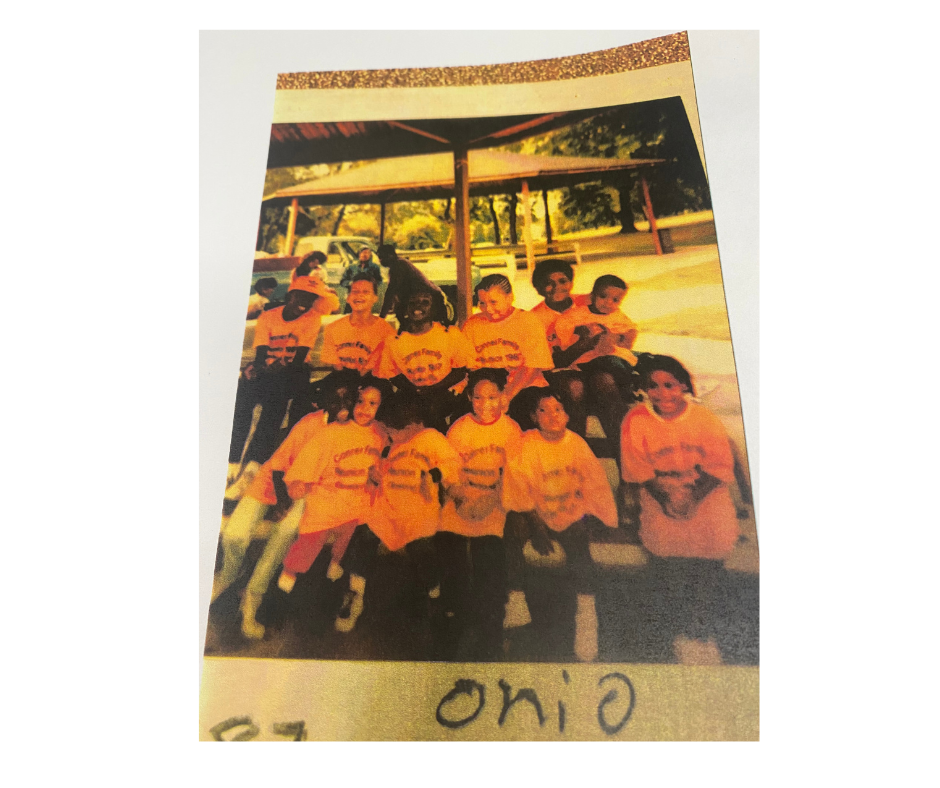
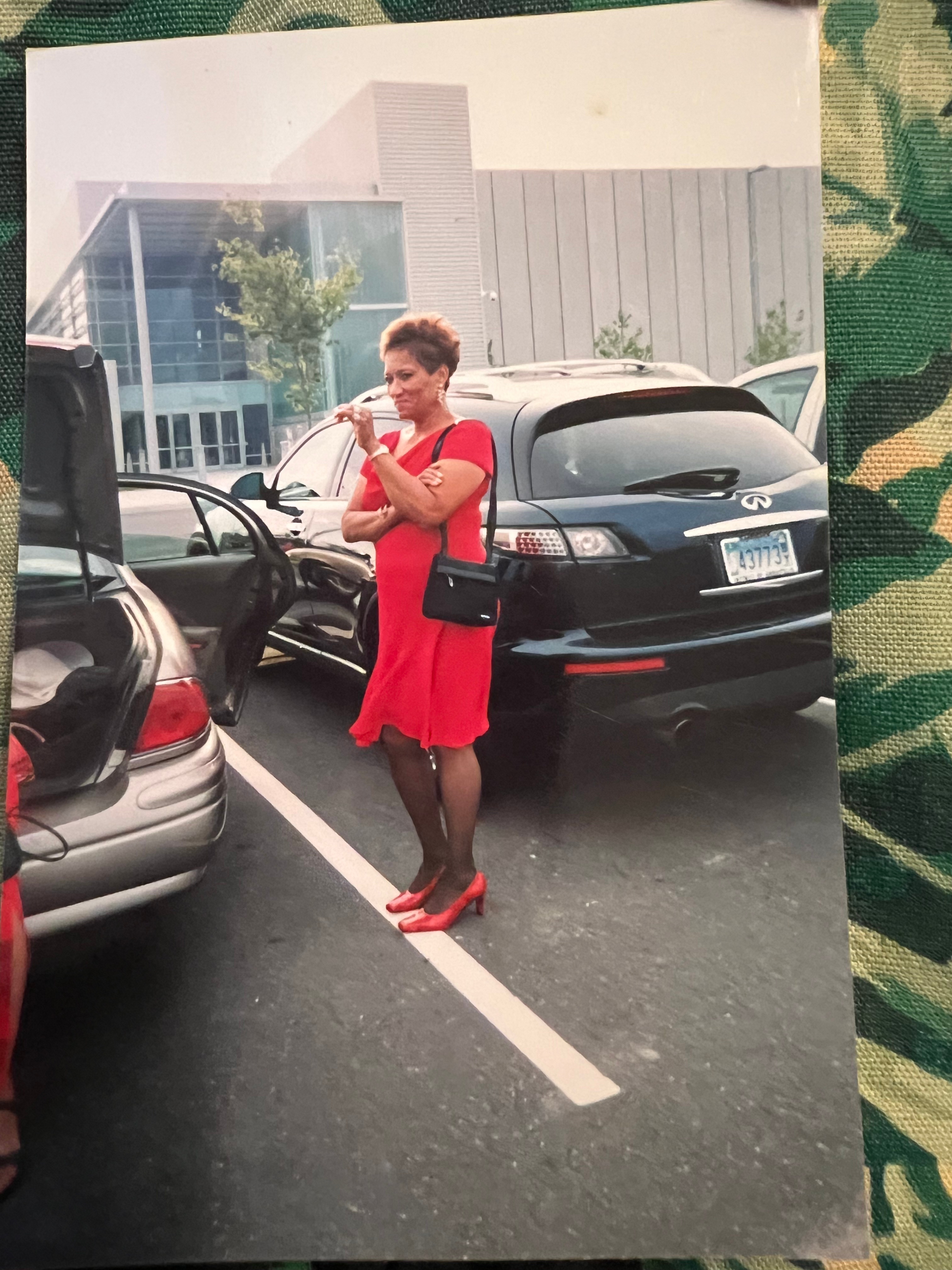
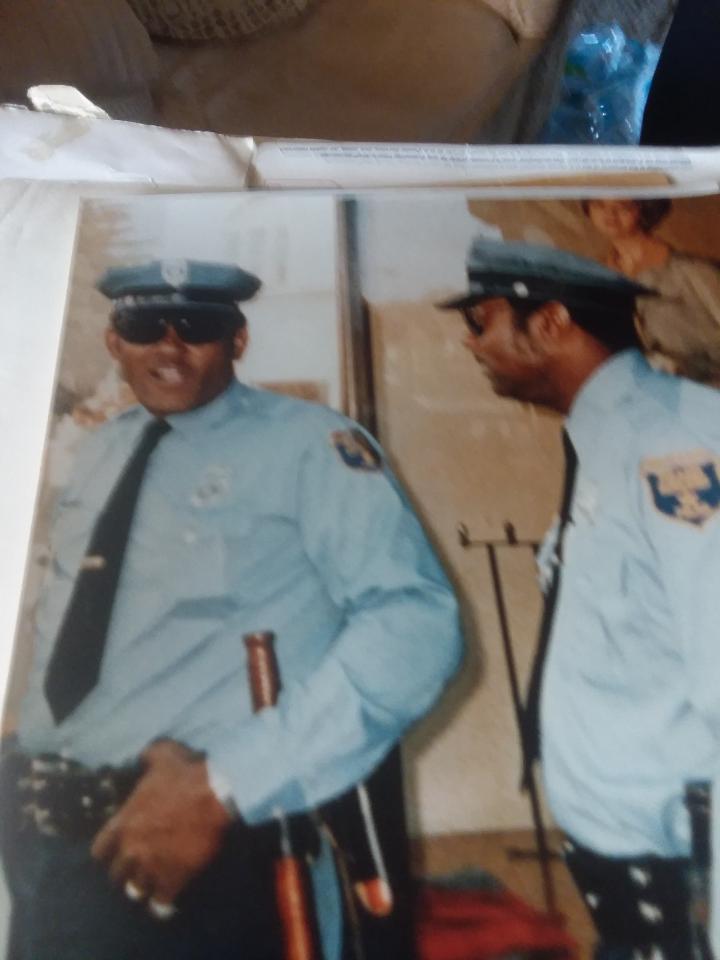
Conner Family
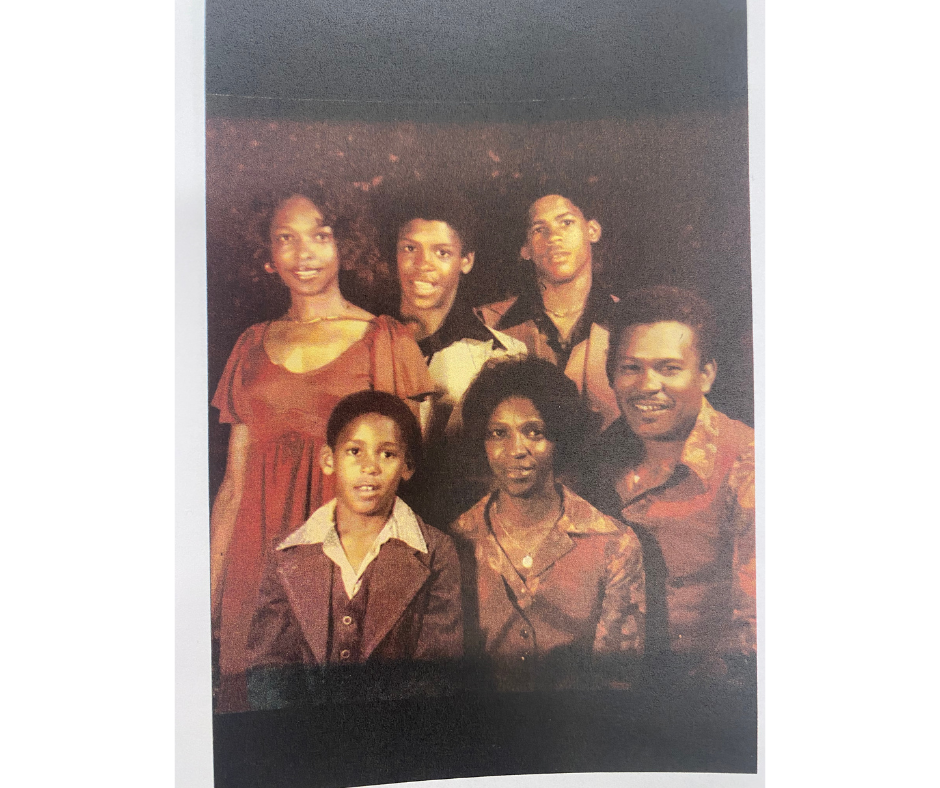

Other Artifacts
1920 Census List

Conner, Henry – Son- Virginia
Murphy, Earnest – Son – Virginia
Murphy Lottie – Daughter – Virginia
Richmond S. – Border – Virginia
Richmond Harmon – Border – Virginia
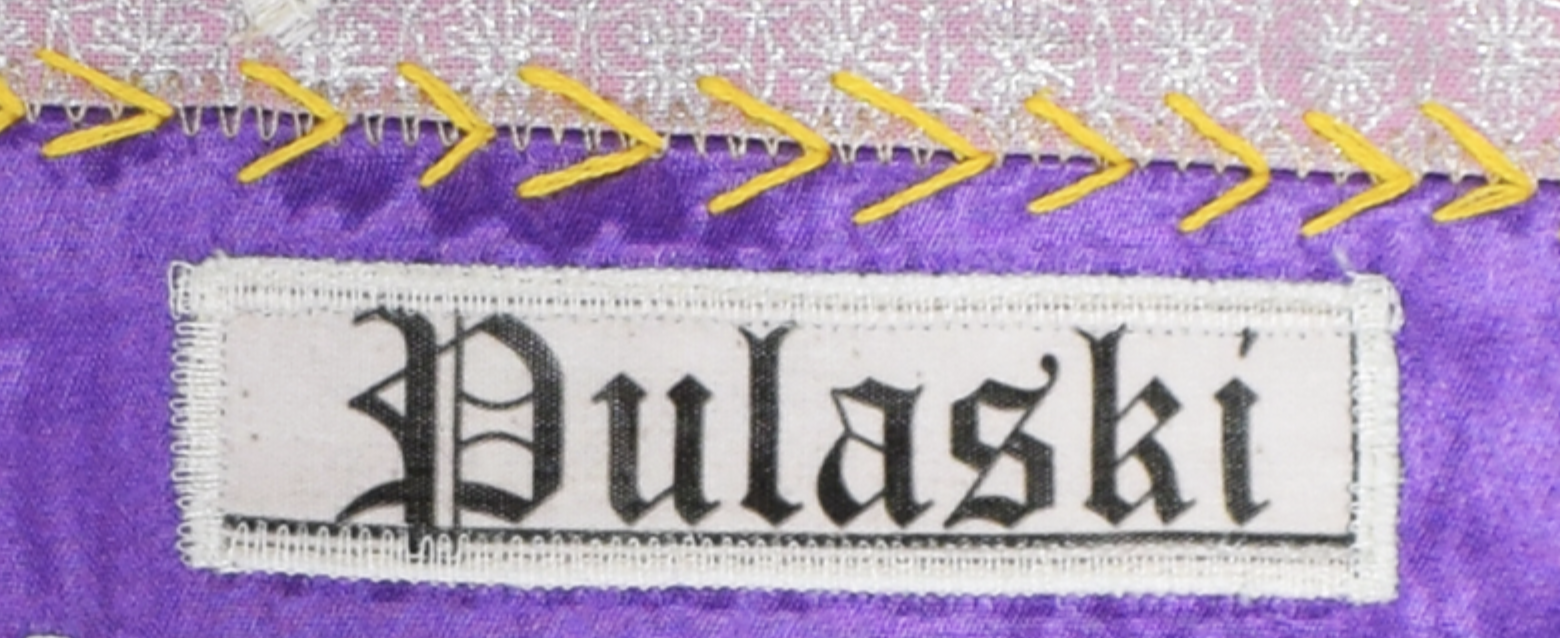
Pulaski (written out)
Pulaski was initially known as “Mountain View Plantation” and was owned by a man named Robert Martin Jr. With the construction of the Virginia & Tennessee Railroad in 1854, the area became a railroad stop named “Martin’s Tank.” The land was primarily used for agriculture during the Civil War and Reconstruction. The discovery of coal deposits in 1977 spurred the area’s shift to industrial land use. Pulaski received its modern name after the Martin family sold their land to various companies, including the Pulaski Land and Improvement Co.10
Sources
- “Death: Henry Robert Conner.” The Southwest Times. April 28, 1968. Page 8. Pulaski. Accessed on Virginia Chronicle Library of Virginia Digital Newspaper Archive. ↩︎
- “African Americans and the Railroad.” Great Smoky Mountains National Park, U.S. National Park Service. Last modified November 28, 2022. https://www.nps.gov/grsm/learn/historyculture/african-americans-and-the-railroad.htm. ↩︎
- “African Americans and the Railroad.” Great Smoky Mountains National Park, U.S. National Park Service. https://www.nps.gov/grsm/learn/historyculture/african-americans-and-the-railroad.htm. ↩︎
- “History.” Town of Pulaski. Accessed May 20, 2025. https://www.pulaskitown.org/history/. ↩︎
- Pulaski County. Land Use. Accessed May 20, 2025, https://www.pulaskicounty.org/documents/planning-zoning/comprehensive-plan/land-use.pdf.pulaskicounty.org+1pulaskicounty.org+1 ↩︎
- “Obituary: Nick Harrison Conner.” The Southwest Times. Pulaski. February 7, 1997. Accessed on Virginia Chronicle Library of Virginia Digital Newspaper Archive. ↩︎
- “Obituary: Willis Conner.” Bower Funeral Home. Dublin. Accessed August 24, 2024. ↩︎
- “Driving While Black: The Car and Race Relations in Modern America.” AutoLife. Accessed May 20, 2025. http://www.autolife.umd.umich.edu/Race/R_Casestudy/R_Casestudy.htm.autolife.umd.umich.edu ↩︎
- “Driving While Black: The Car and Race Relations in Modern America.” AutoLife. Accessed May 20, 2025. http://www.autolife.umd.umich.edu/Race/R_Casestudy/R_Casestudy.htm.autolife.umd.umich.edu ↩︎
- “Southwest Virginia.” Library of Virginia. Accessed May 20, 2025. https://www.lva.virginia.gov/public/archivesmonth/2003/southwest/. ↩︎
 23/54 PROJECT