
Finley
The Finley family made their home in Draper and later Pulaski, where Henry and Annie Finley raised their children — George, James, and Josephine — and signed them onto the Corbin et al. v. County School Board of Pulaski County (1947) lawsuit. Family members remember that no matter where life took them — George to Chicago, James to Pulaski, and Josephine to Pearisburg — everyone always gathered at “Granny Annie’s house.” Her home was the family’s anchor: a place where the boys worked the farm, grandchildren learned to pick beans and peel potatoes, and traditions of discipline, faith, and togetherness were passed down.
Explore the quilt by clicking on the various elements
For best user experience, use full screen mode
An interactive graphic of the quilt square. The linked information can also be found below.
The puzzle pieces on the Finley Family quilt square convey the sense of togetherness and familial ties that the family’s artifacts convey. Each member of the Finley family depended on the other during their lives; they were pieces of a puzzle, complete as long as the other person was by their side.
Learn More About the Finley Family
Artifacts by Family Member
Named Participant List
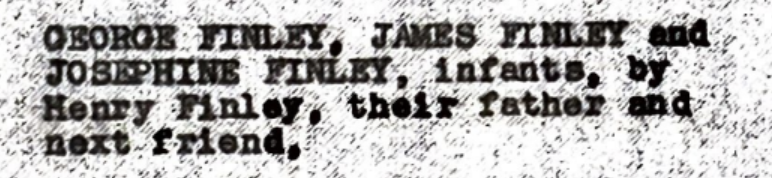
Henry Finley is the father of the Finley family and was signed on as the parent of the Corbin et al. v. County School Board of Pulaski County, VA. et al. George Finley was the eldest son who signed on to the case. James Finley was the youngest son who signed on to the case. Josephine Finley was the youngest sibling to sign on to the case.
Giles and Pearisburg Town Sign
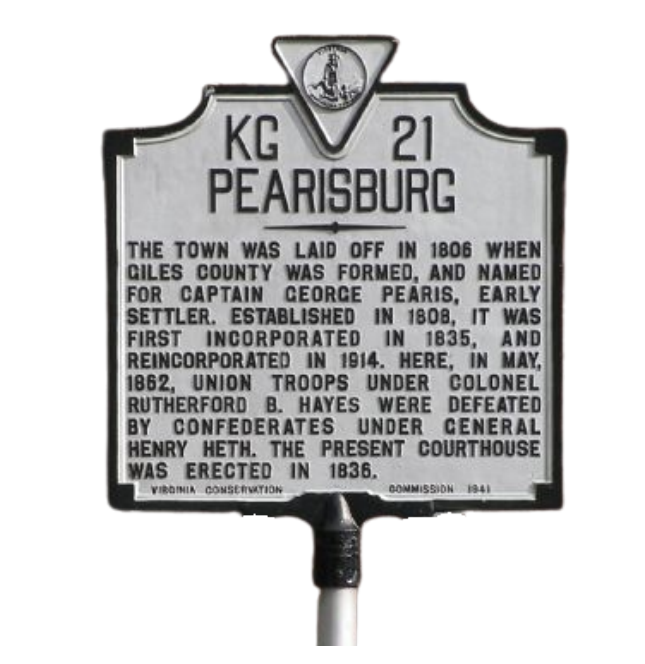
Members of the Finley family lived in Pearisburg, Giles County, which was established in 1806. It was formed from various parts of Tazewell, Montgomery, and Monroe counties.1 Giles County is known for its beautiful nature and is home to 37 miles of the New River.2
Sign reads: The town was laid off in 1806 when Giles County was formed, and named for Captian George Pearis, Early Settler. Established in 1808, it first incoporated in 1835 and reincorporated in 1914. Here, in May 1862, Union Troops under Colonel Rutherford B. Hayes were defeated by Confederates under General Henry Heth. The Present Courthouse was erected in 1836.
Henry Finley
Summary
Henry Thomas finely was born on June 9, 1891 to parents Addison and Amelia Finley in Draper.3 Henry then married Annie Dyer, daughter of John Henry and Malinda Dyer. Together, Annie and Henry had eleven children, four daughters, Elizabeth Jones, Annie Lee Brown, Lorena Walton, Josephine Margaret Peoples, and seven sons, Morgan Finley, Henry Thomas Finley Jr., Daniel L Finley, James William Finley, Clarence Edward Finley, George A Finley, and John Matthew Finely.4 In 1947, Henry Finley signed three of his children, George, James, and Josephine, onto the Corbin et al. v. County School Board of Pulaski County, VA. et al. lawsuit. Henry worked hard to support his family until his passing in December of 1959.
Draper Pin image, coordinates, and Township petition

Henry Finley lived in Draper and signed a petition for Draper Township in October 1924. The District of Draper covers 40 acres of Pulaski County. The district is a historic aspect of Pulaski and encompasses the historic resources that came together in Draper Valley into a railroad depot in the 1800s. The establishment of the Draper Depot on the Norfolk and Western Railway led to the area’s existence. The oldest surviving building is the Draper Mercantile of 1887.5 Draper was named after the Draper family, most likely charter investors in the Virginia Company.6
Henry Finley WWI & WWII Draft Cards
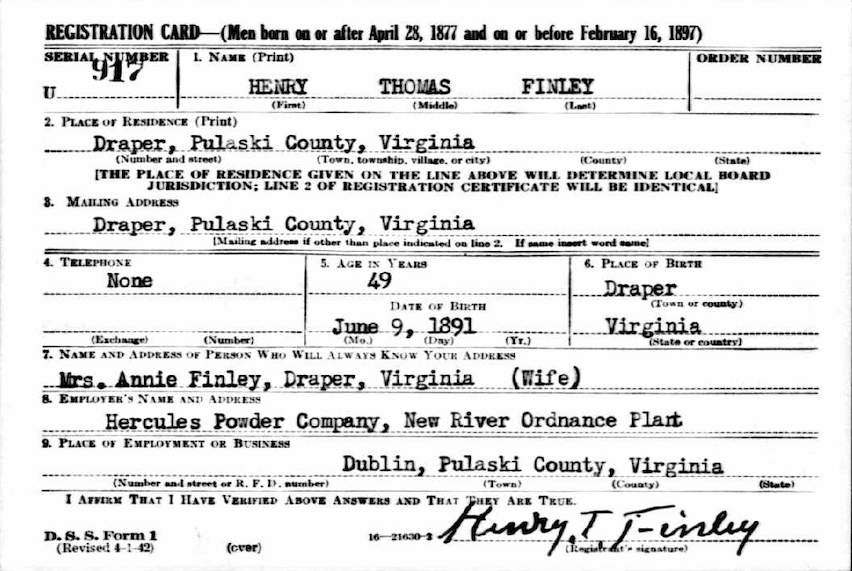
The first image is of Henry Finley’s Draft Registration Card from World War I. At age 25, Henry would have been a part of the first registration, as mandated by the Selective Service Act of 1917.7 Listed on this document is Henry’s birthplace, Draper, Virginia. Also, his occupation at the time was farming. This record serves as a representation of what Henry’s life was like at the time of the WWI Draft, in June of 1917.
The second image is of Henry’s World War II Draft Registration Card. The United States enacted the Selective Training and Service Act of 1940 on September 16, 1940. It was the first peacetime draft in United States history. Those selected were required to serve a minimum of one year in the armed forces. When the United States entered World War II, the draft continued throughout the war. By 1945, around 50 million men had been registered for the draft, and 10 million had been conscripted into the military.8

Gunpowder Barrel
Henry Finley worked at the Hercules Powder Factory. Hercules is a gunpowder company and the operating contractor for the Radford Army Ammunition Plant (RAAP), a government-owned, contractor-operated facility.9 Hercules Inc. was the contractor responsible for building the RAAP facility, and by the end of World War II, the facility included 870 buildings.10 In 1941, due to unsatisfactory wages, a strike was called at the Hercules powder plant. Demands were to increase the wage from $1.10 to $1.50.11 Hercules’ subsidiary company, RAAP, was essentially a nuclear waste site located near primarily minority communities, specifically Black communities. Many of the people in these communities went to work for RAAP, and in turn, the companies polluted these areas, contributing to a phenomenon known as “ Eco-Racism”. RAAP also lacked proper safety regulations, leading to chronic illnesses in individuals who worked at the plant. Due to the historical lack of high-paying work opportunities for Black Americans, many accepted the hazardous working conditions to have access to higher pay.
Wheat
Henry Finley was a farmer. Agriculture is one of the most populous industries in southwest Virginia.12 The fertility of the soil and the vast waterways that inhabit the region solidified its status as a growing area for both the colonists and modern-day farmers.13 With the arrival of railroads in the mid-19th century, Pulaski’s agricultural market spread across the nation. However, there is a current decline in agriculture in Pulaski. There is a need to encourage younger generations to pursue this career and to ensure and improve the economic resilience of farms.
Vegetables
Henry Finley was a farmer and gardener who grew vegetables. This is symbolized by a carrot on the quilt square.
James Finley
Summary
James William Finley was born on April 19, 1934 to parents Henry and Annie Finley. According to his obituary, James had three sons, James Jr., Terry, and Ricky, and six daughters, Carolyn, Sheila, Robin, Wanda, Dale, and Joyce. James passed way in April of 1993. 14
Pulaski Furniture Co Tag
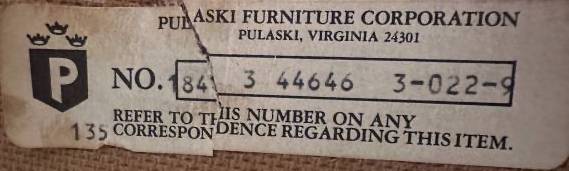
James Finley worked at Pulaski Furniture Company. Pulaski Furniture Company was founded in 1955, originally named the Pulaski Veneer and Furniture Company. The company mainly produced bedroom furniture.15
Josephine Peoples (neé Finley)
Summary
Josephine Margaret Finley Peoples was born on December 18, 1937 to parents Henry and Annie Finley. Because of her family’s bravery, she was able to attend school until the 11th grade.16 In 1956, Josephine married Ralph Peoples17 and the couple had five children Martha Ann McClanahan, Joseph Leonard Peoples, David William Peoples, John Junior Peoples, and Richard Adam Peoples. Josephine passed away in August of 1995, leaving her children to cherish her memory. 18
Sewing Machine
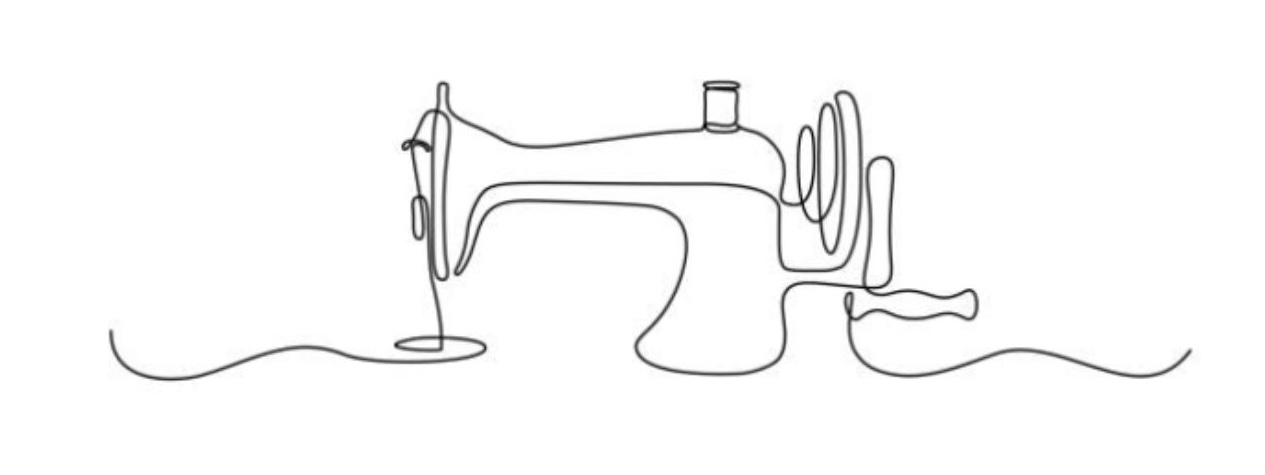
Josephine Finley was a homemaker. Many African American women during the 1960s chose a profession of homemaking or domestic work due to racial and educational barriers to getting higher-status jobs. During World War II, Black women were encouraged to help the war effort by taking domestic labor jobs so that white women would be able to work in the manufacturing industry.19 In 1960, around 33 percent of Black women worked as domestic laborers. Also, in the 1960s, less than 20 percent of Black women held clerical jobs, compared to around 50 percent of white women.20
David William Peoples
Summary
David Peoples is a descendant of the Finley family. David was the son of Ralph Peoples and Josephine Finley Peoples, he was born on August 17 1962. David lived in Pearisburg until his passing in 2022. As his obituary states, David Peoples enjoyed fishing, telling stories, and drinking coffee with lots of sugar.21

Fishing
David Peoples enjoyed fishing. Fishing as a tradition has followed Black Americans since slavery, when enslaved people needed to fish to supplement their limited food supplies. Following emancipation, Black Americans in the South continued to fish, as Black people were pushed to the coastal areas after the Civil War. Fishing became a vital resource for Black families to feed their households and earn an income.22 At one point, 90 percent of the commercial fishing industry in the Chesapeake Bay was employed and owned by African Americans; however, in current times, this number has significantly dwindled.23
Storytelling
David Peoples enjoyed telling stories with friends and family.

Storytelling has been an integral part of African American history and culture. The tradition has existed since the first enslaved people set foot in the Americas, as they carried with them their oral traditions. From then on, folktales helped preserve the remnants of African culture in the Americas while also serving the spirit and giving slaves a brief escape from the hardships of slavery. Folktales have also become a part of African American literature, with many being written down, such as “Tar-Baby,” “Brer Fox,” “Brer Rabbit,” and many more.24
Sugar and Coffee
David enjoyed drinking coffee with lots of sugar. This anecdote was extracted from David Finley’s obituary, among other stories of his life and enjoyments. The small details the family added to his obituary demonstrate their strong love and appreciation for him.
Daniel Lee & Elizabeth Finley
Summary
Elizabeth Finley was born on January 10, 1916, and her brother Daniel Lee Finley was born on June 29, 1929. The two were the children of Henry and Annie Finley. Elizabeth and Daniel both worked at a nursing home. Elizabeth as a cook and Daniel as an orderly. Daniel passed away in September of 1983.25 Elizabeth passed away in September of 1992. 26
Elderly Care
Daniel Lee Finley and Elizabeth Finley worked at the Draper Valley Nursing Home. They are the siblings of James, George, and Josephine, who were named in the lawsuit. This shows that the family is very generous and willing to help in the community, especially those who need it most.
There is a history of abuse in hospice care and medical facilities regarding African Americans. Regardless of income, African Americans are more likely than white people to avoid hospice care.27 This disparity is rooted in factors such as cultural apprehension toward the medical system, discrimination, and racial medical abuse.28 In the 1960s and 1970s, Black patients eligible for hospice care faced struggles in accessing end-of-life care, not only due to financial barriers but also because of discrimination. Daniel and Elizabeth Finley’s service in elderly care demonstrates the steps African Americans took to integrate themselves into the healthcare system and make these spaces more welcoming.
Sources
- “Giles County, Virginia History and Genealogy.” 2024. Genealogyresources.org. 2024. https://genealogyresources.org/Giles.html. ↩︎
- “Virginia’s Mountain PlaygroundTM – Giles County – Nature at Her Best!” n.d. https://virginiasmtnplayground.com/. ↩︎
- Henry Thomas Finley. Death Certificate. 32273. Commonwealth of Virginia, Department of Health, Bureau of Vital Statistics. Pulaski. December 29, 1959. Accessed Ancestry.com. ↩︎
- “Colored Deaths: Henry Thomas Finley.” The Southwest Times. Pulaski. December 17, 1959. Page 5. Accessed Virginia Chronicle Library of Virginia Digital Newspaper Archive. ↩︎
- “077-0169.” 2024. DHR. March 2024. https://www.dhr.virginia.gov/historic-registers/077-0169/. ↩︎
- “Early History of Virginia Drapers.” 2025. Billdraper.net. 2025. https://billdraper.net/html/body_early_drapers.html. ↩︎
- National Archives. “World War I Selective Service System Draft Registration Cards.” n.d. Publication number M-1509. https://www.archives.gov/files/research/microfilm/m1509.pdf. ↩︎
- The National WWII Museum. n.d. “Research Starters: The Draft and World War II.” The National WWII Museum | New Orleans. https://www.nationalww2museum.org/students-teachers/student-resources/research-starters/draft-and-wwii. ↩︎
- “Hercules List Employee Honors.” 1987. Southwest Times, September 13, 1987. https://www.virginiachronicle.com/?a=d&d=TSWT19870913.1.9&srpos=1&e=——-en-20–1–txt-txIN-%22Hercules+list+employee+honors%22——- ↩︎
- “Radford Army Ammunition Plant.” n.d. Www.virginiaplaces.org. http://www.virginiaplaces.org/military/radford.html. ↩︎
- “ACT to CALL STRIKE at HERCULES PLANT; A.F.L. Men Building Powder Factory Vote to Ask Approval.” 2025. Nytimes.com. 2025. https://timesmachine.nytimes.com/timesmachine/1941/05/12/85492010.html?pageNumber=10. ↩︎
- “Southwest Virginia – Genedge.” 2024. Genedge. July 19, 2024. https://genedge.org/who-we-are/regions/about-southwest-virginia/. ↩︎
- “Southwest Virginia.” 2024. Virginia.gov. 2024. https://www.lva.virginia.gov/public/archivesmonth/2003/southwest/. ↩︎
- “Area Deaths: James W. Finley.” The Southwest Times. Pulaski. April 9, 1993. Page 2. Accessed Virginia Chronicle Library of Virginia Digital Newspaper Archive. ↩︎
- “Pulaski Furniture Website.” 2025. Pulaskifurniture.com. 2025. https://www.pulaskifurniture.com/our-story.inc. ↩︎
- Josephine Margaret Peoples. Commonwealth of Virginia Certificate of Death, Department of Health-Division of Vital Records. 95031176. Radford. August 11, 1995. Accessed Ancestry.com. ↩︎
- Ralph Peoples and Josephine Margaret Finley. Commonwealth of Virginia, Certificate of Marriage. 7574. Pulaski. March 24, 1956. Accessed Ancestry.com. ↩︎
- “Area Deaths: Josephine M Peoples.” The Southwest Times. Pulaski. August 8, 1995. Page 2. Accessed Virginia Chronicle Library of Virginia Digital Newspaper Archive. ↩︎
- discoversociety. 2014. “Unsung Heroes of the US Civil Rights Movement – Domestic Servants of the Deep South.” Discover Society. November 4, 2014. https://archive.discoversociety.org/2014/11/04/unsung-heroes-of-the-us-civil-rig. ↩︎
- “America Becoming: Racial Trends and Their Consequences: Volume II” at NAP.edu. n.d. Nap.nationalacademies.org. https://nap.nationalacademies.org/read/9719/chapter/7#125. ↩︎
- “David William Peoples.” A. Vest & Sons Funeral Home. Pearisburg. 2022. https://www.avestandsons.com/obituary/david-peoples. ↩︎
- “Celebrating Black History through Fishing.” 2025. Take Me Fishing. February 4, 2025. https://www.takemefishing.org/blog/february-2025/celebrating-Black-history-through-fishing/. ↩︎
- Waldrep, Megan. 2024. “Black Fishermen Are the Cornerstone of America’s Commercial Industry – but Where Are They Now? : Megan Waldrep.” Megan Waldrep. February 11, 2024. https://meganwaldrep.com/Black-commercial-fishermen/. ↩︎
- Cunningham, David. n.d. “African American Folktale | Literature.” Encyclopedia Britannica. https://www.britannica.com/art/African-American-folktale. ↩︎
- Daniel Lee Finley. Commonwealth of Virginia-Certificate of Death, Department of Health-Division of Vital Records and Health Statistics. Pulaski. 83030244. September 22, 1983. Accessed Ancestry.com. ↩︎
- Elizabeth J. Finley. Commonwealth of Virginia-Certificate of Death, Department of Health-Division of Vital Records and Health Statistics. Pulaski. 92035728. November 17, 1992. Accessed Ancestry.com. ↩︎
- “Why African-American Seniors Are Less Likely to Use Hospice.” 2015. PBS NewsHour. May 5, 2015. https://www.pbs.org/newshour/show/african-american-seniors-less-likely-use-hospice. ↩︎
- Threadgill Agency. 2025. “Black History of Hospice Care | Heart to Heart Hospice.” Heart to Heart Hospice. February 14, 2025. https://hearttohearthospice.com/blog/honoring-Black-history-month-pioneers-in-hospice-and-p. ↩︎
 23/54 PROJECT