Safewright
The Safewright family made their home in Pulaski County, where siblings Lewis Safewright and Mary F. Safewright were signed onto the Corbin et al. v. County School Board of Pulaski County (1947) lawsuit by their father, Robert Safewright. Little is known about Lewis and Mary’s later lives, but the broader Safewright family is remembered for their deep roots in the region and their strong, multigenerational connection to education and community life. Several members of the extended Safewright family—such as Rena Safewright and her daughters, including Hattie Mae Safewright Brown and Helen Safewright Garner—also played key roles in advocating for equal schooling during this era. The Safewright family’s story reflects a legacy of persistence, solidarity, and a shared commitment to securing better futures for the children of Pulaski County.
Explore the quilt by clicking on the various elements
For best user experience, use full screen mode
An interactive graphic of the quilt square. The linked information can also be found below.
While creating the Safewright family quilt block design, themes such as the importance of family and community were constantly brought up in the design making process. The overall design on the quilt incorporates a tree as the central figure with Rena Safewright at the trunk of the tree with the rest of the family branching out from her. Sadie Safewright Harmon along with her family were focused on the right side of the tree and Henry Safewright and his family were highlighted on the left side of the design. Branching out from Rena Safewright at the trunk of the tree, the Safewright family passed traditions, lessons, stories, and many values up through the branches that remain present in the lives of many Safewright family and descendants today.
Learn More About the Safewright Family
Artifacts by Theme
Background Color
The color chosen to go behind the tree is similar to that of a sky during a sunset. This fabric was chosen as the main background of the Safewright quilt block because of its literal representation of a sky behind the tree, but also to honor those in the family who have passed and are now in heaven. A constant theme throughout the quilt square is honoring those who have come before you and how future generations learn from their elders and generations who came before them. While thinking about this reoccuring theme, the Safewright family was purposeful in all design elements, including elements such as the background color, in order to achieve a highly though out and intentional honoring of their family and those who came before them.

Light Purple Bridge
The bridge at the bottom of the quilt block represents the bridge connecting Pulaski County and Radford, where Henry Safewright contributed to the building process. Henry was a Bridge Builder who contributed to the construction of several bridges around the Pulaski area. This work was very significant for the family, as it showed how hard working he and the family are, and the breaking of racist and classist barriers laid by societal expectations. Not only was he successful in proving these narratives wrong, but he also gave back to his community by building infrastructure that has continued to last for many generations.
Family Tree
The center represents a tree, the fruitfulness of the family, roots of Allisonia, and the three generations from Rena Saferwright represented in the 23/54 lawsuit. The tree symbolizes how the family branches out from Rena Safewright and her influence. She was an influential and vital matriarchal figure in the family, and the family wanted to celebrate her and her courage to sign her and her children onto the lawsuit by making her the base of the tree. While only two Safewrights signed onto the lawsuit, Sadie and Henry Safewright, signed on by their mother, Rena Safewright, multiple generations were involved in the lawsuit, all supporting one another in fighting for equal opportunity for education. Rena was the root of the family; every descendant either directly or indirectly learned her values and the importance she placed on family, community, and selflessness. The tree shape also represents the family’s large size and connection to one another. Many family members stayed in or around Pulaski, showing the importance of familial connections, relationships, and where the family called home.
Artifacts by Family Member
…
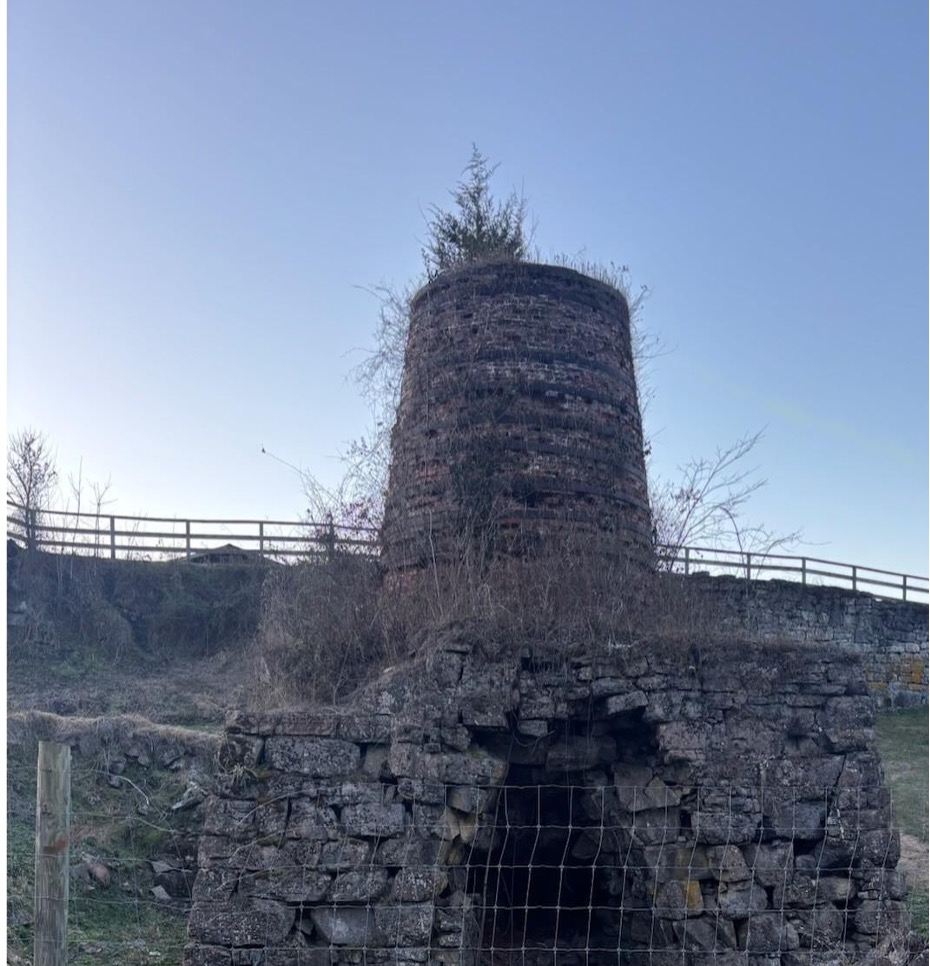
Chimney Mound
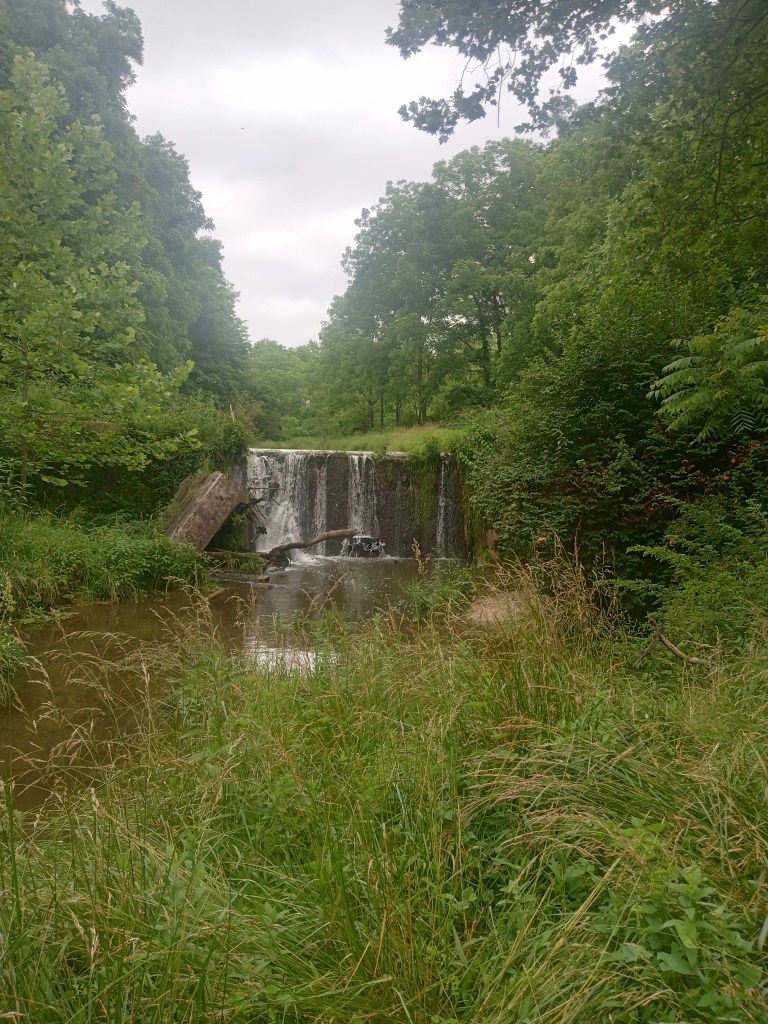
The image at the bottom right of the quilt is a picture of the chimney headstone at the Safewright family’s cemetery plot in Allisonia, Virginia. This is where many of the family’s deceased are buried, and by adding this to the quilt design, we wanted to highlight and commemorate the members of the family who have passed. This piece of land is highly significant for the family, as it represents the multiple generations of people who have lived in and around Pulaski County and who loved and were loved by the family. The connection between the family members is displayed by the importance placed on this sacred area, representing how much significance the Safewrights placed on family and caring for one another, even after death.
…
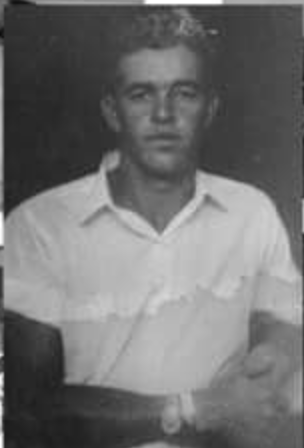
Henry Boyd Safewright Sr.
Born on April 3, 1935, Henry Boyd Safewright Sr. was the youngest son on Rena and John Green Safewright. Along with his sister Sadie, Henry was signed onto the Corbin et al. v. County School Board of Pulaski County court case by his mother Rena Safewright. After schooling, Henry worked for Lanford Brothers Construction Company for over 30 years where he built many bridges, roads, and other forms of infrastructure in Pulaski, Radford, and the surrounding New River Valley1. Known for his role in the community as a construction engineer, Henry Safewright Sr. made a lasting impact on the Pulaski and Radford communities. Remembered by his family as someone who focused on the construction of bridges, Henry Safewright Sr. was a part of the construction of the New River Bridge that connects Pulaski County to the City of Radford. This work was very significant for the family as it showed how hard working he and the Safewright family are with the breaking of racist and classist barriers laid by societal expectations on what careers black men typically held or limited to. Not only was he successful in proving these narratives wrong, but he also gave back to his community by building infrastructure that has continued to last for many generations. An outline of the New River Bridge appears on the bottom of the Safewright quilt design in a light purple fabric to commemorate the work of Henry Boyd Safewright Sr. in the construction of local infrastructure in New River Valley communities.
…
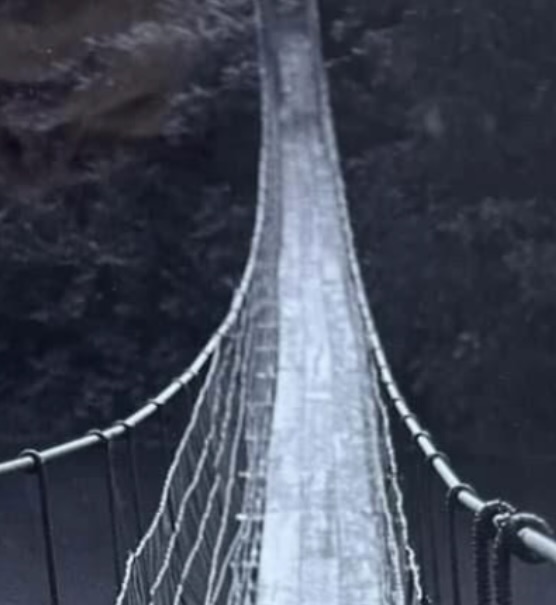
Swinging Bridge
Henry Safewright, son of Rena Safewright, was a known construction engineer who build many bridges across the Pulaski-Radford area, including some swinging bridges in more rural parts of the county. Many family members have fond memories of the swinging bridge he built near the family’s land in Allisonia, where they would cross it while playing outside as children. Henry Safewright contributed to his communities infrastructure and his families joyful memories in his bridge construction, leaving a lasting impact on the New River Valley community.
…
Rena Ayers Safewright
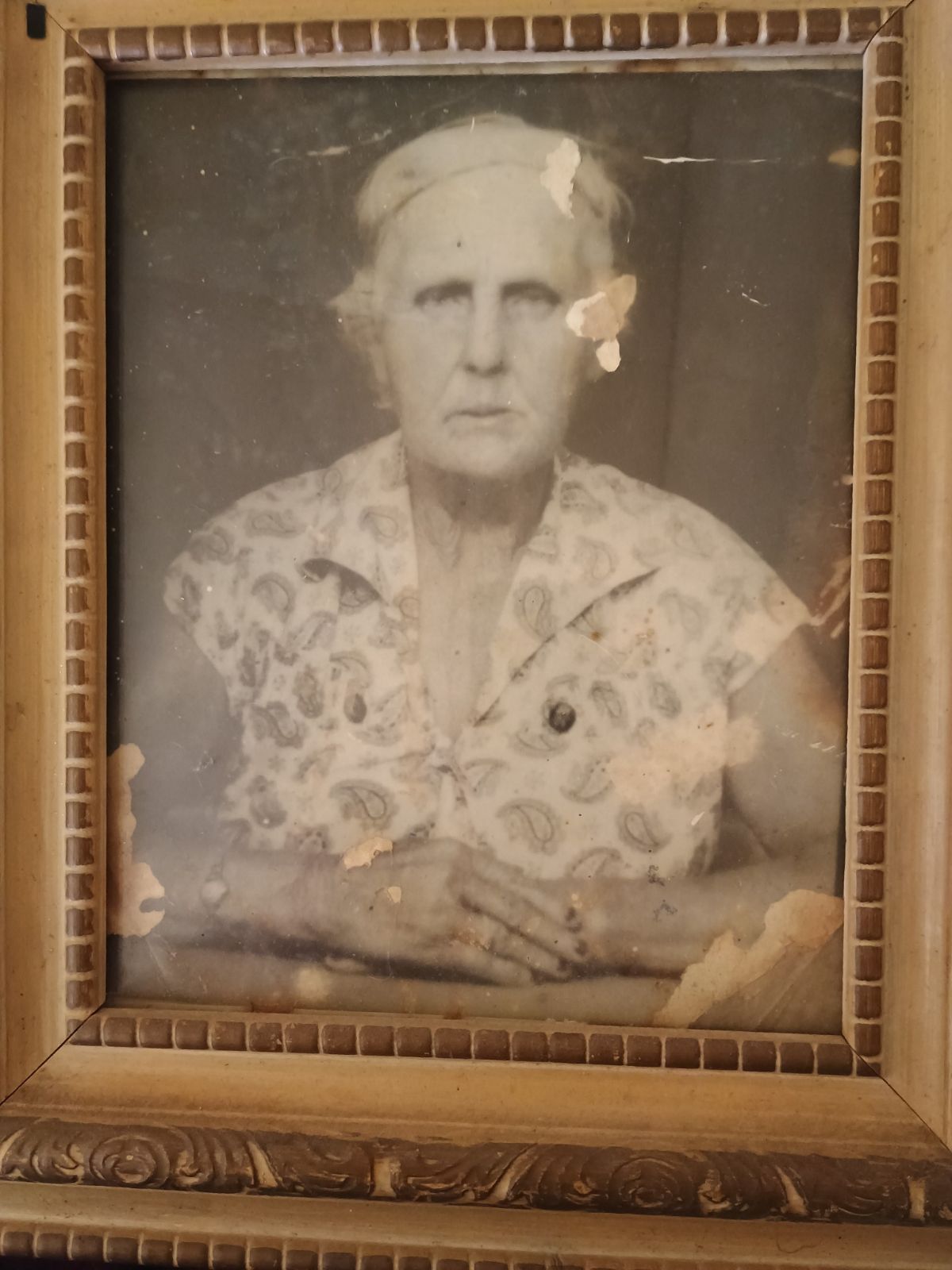
Rena Ayers Safewright was born on March 19th, 1892 to parents William and Lucinda Ayers in Winston-Salem, North Carolina.2 Rena Ayers Safewright married John Safewright on October 11th, 1914 in Wythe County, Virginia and would have her first daughter, Hattie, by 1915.3 Having nine children by 1940, Rena Safewright signed on her two youngest children, Henry and Sadie Safewright onto the Corbin et al. v. County School Board of Pulaski County court case. By signing on her two children onto the lawsuit, Rena Safewright was a part of the bold stance Black Pulaski County citizens were making at the time to challenge the equal in “seperate but equal” schooling during the era of segregation. At the base of the family tree on the block design, Rena Safewright was constantly refered to as the “glue” in the family by her grandchild Anna Marie Safewright, and great-grandchild Hope Safewright. In order to honor her and her ability to prioritize her family, her photo was stategically placed at the base of the tree to emphasize how her influence shaped the lives of the rest of the family.
Rena Safewright’s Gravestone
This is Rena Safewright’s headstone located in Pulaski, Virginia. Made by Bower Funeral Chapel in Pulaski, the headstone details her name and both her birth and death years. Living from 1889 to 1989, Rena Safewright lived a long life of 100 years and was a key member of the Safewright family who often took the role of the glue that held the family together. Members of the Safewright family included Rena Safewright’s grave as a memorial to her and to celebrate her impact on the family. The families land in Allisonia where the Gravestone is located is highly important to the Safewright family and their history as it has been the place where multiple generations of the family have been born, grew up, lived, worked, and died in.
…
…
Sadie Safewright Harmon
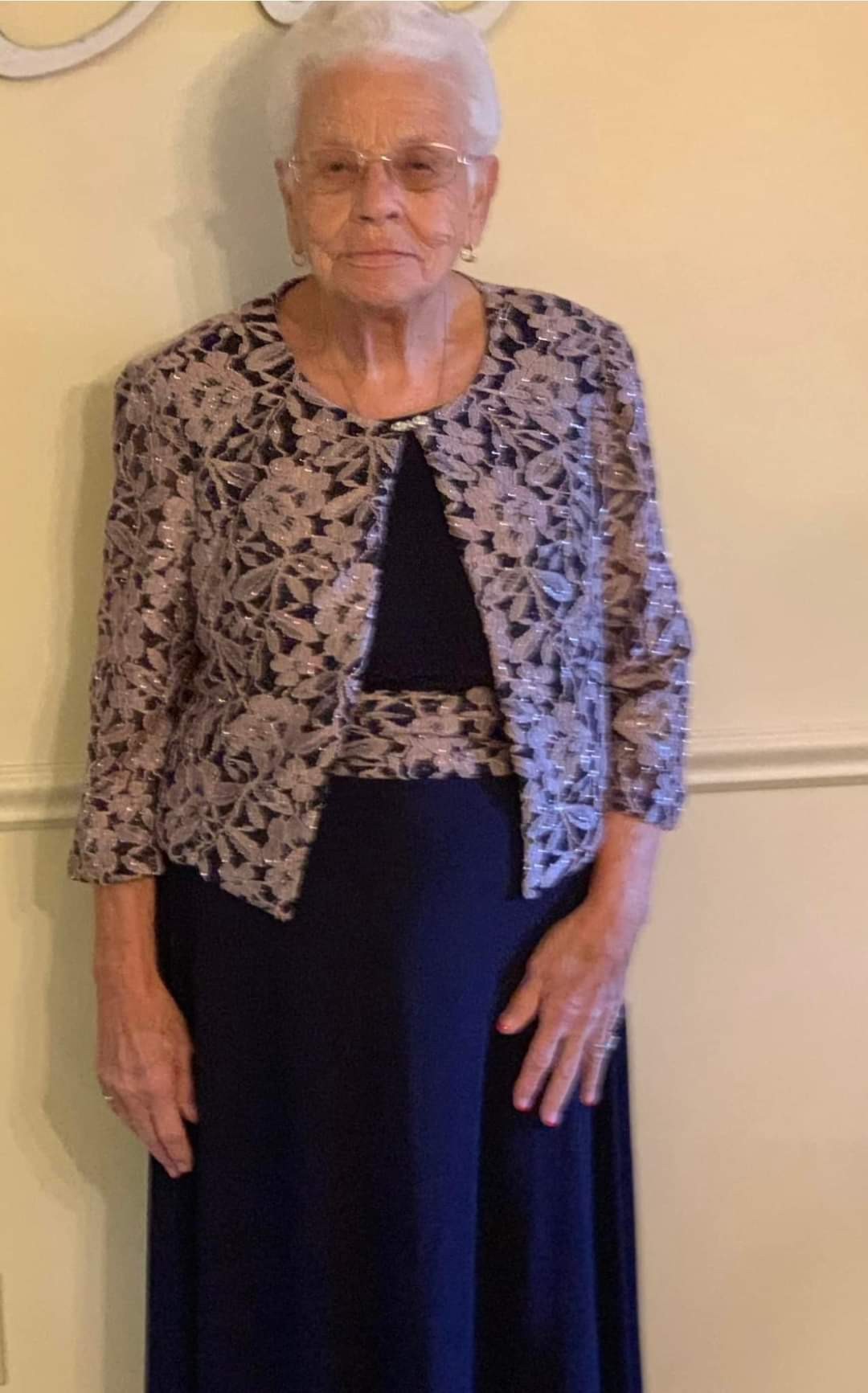
Born on July 24th, 1932, Sadie Safewright Harmon was one of 9 children of Rena and John Safewright.4 Along with her brother Henry, Sadie Safewright Harmon was signed onto the Corbin v. County School Board of Pulaski County, Virginia case by her mother Rena Safewright. Sadie Safewright became Sadie Safewright Harmon in 1949 with her marraige to Bamfield Harmon in Mercer, West Virginia.5 Greatly loved by her family, Sadie Safewright Harmon is pictured frequently both on images on the quilt block design, and all over family photo albums and homes. As one of the two Safewright’s that were signed onto the 1947 lawsuit by Rena Safewright, education was something instilled at an early age by her mother Rena into Sadie Safewright as a core value that should be prioritized. The value of education and priotitizing family was passed down after Rena through family members such as Sadie, and then onto her six children, grandchildren, and many neices, nephews, and other family members.
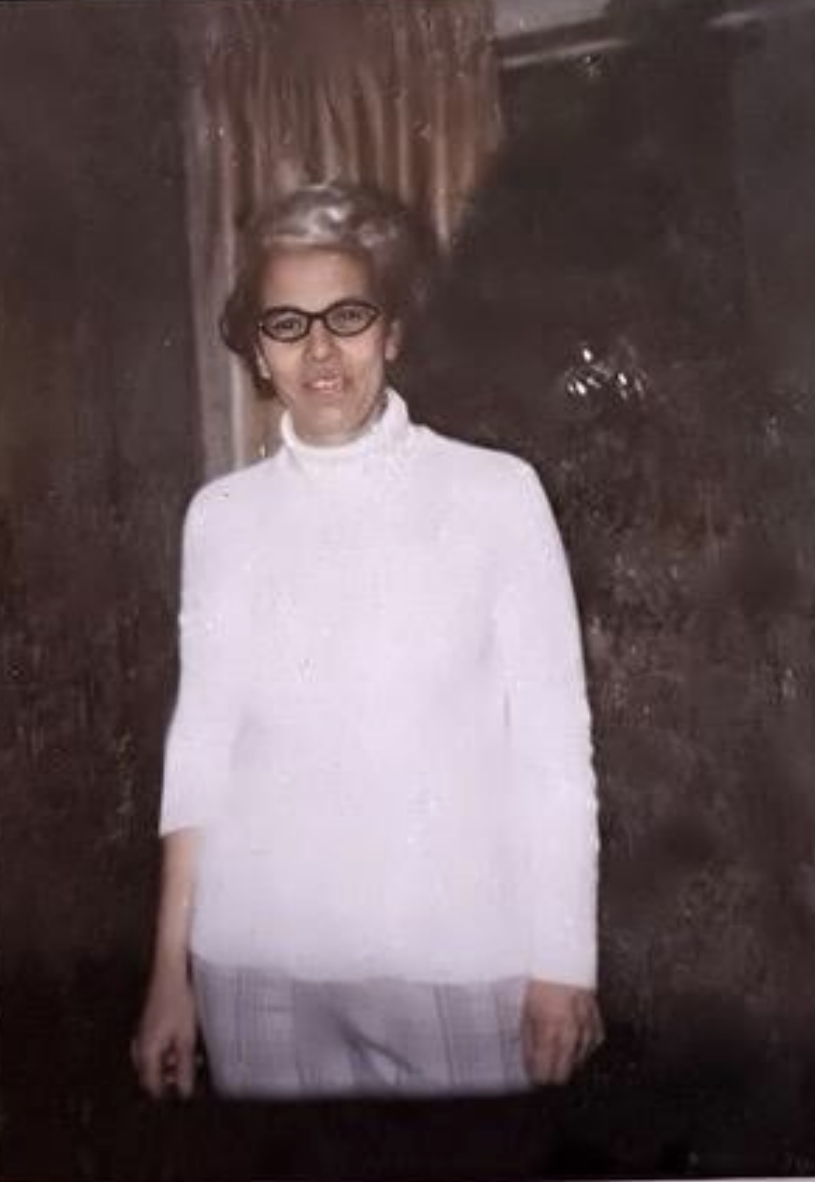
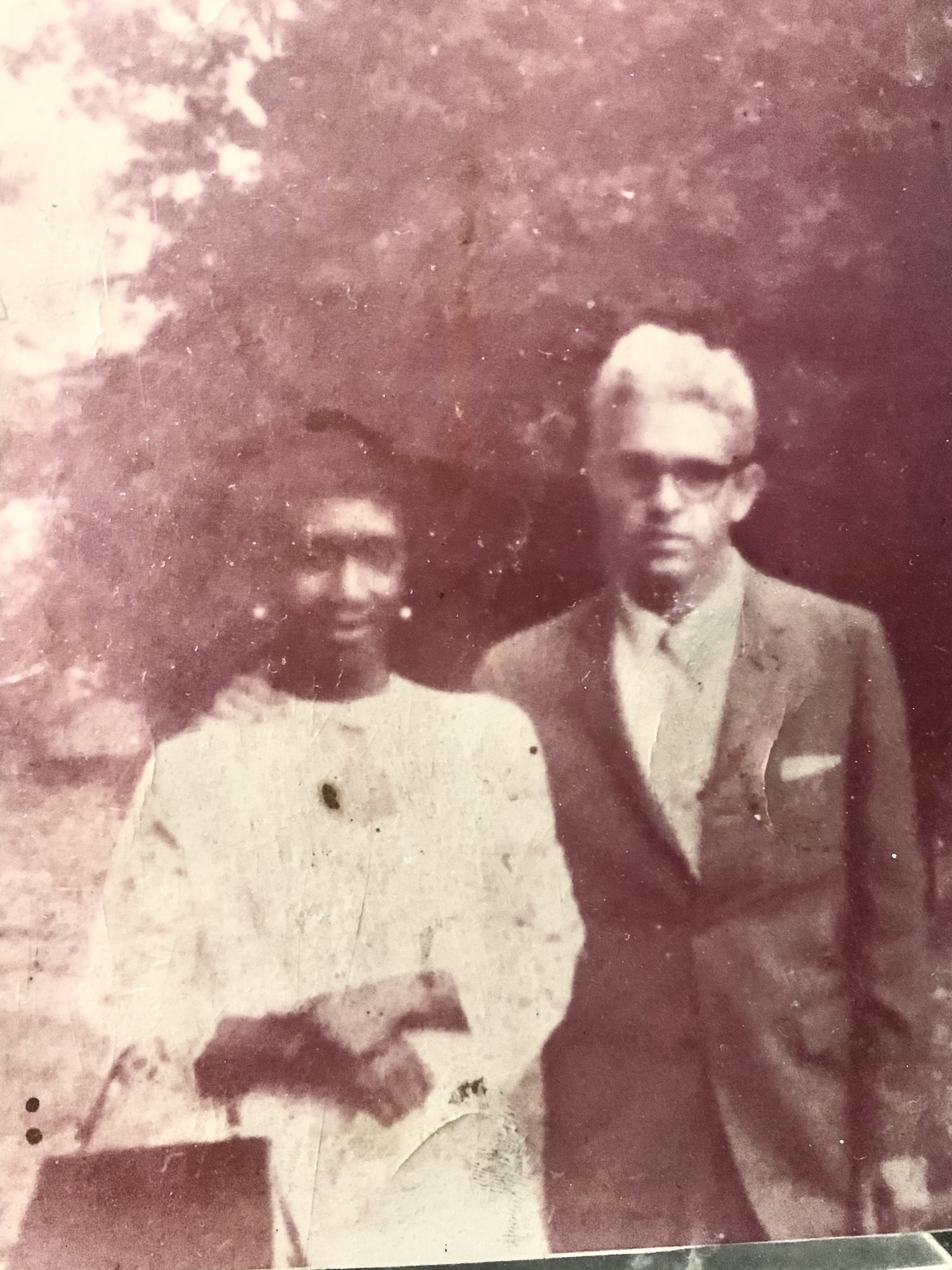
Family Photo Gallery
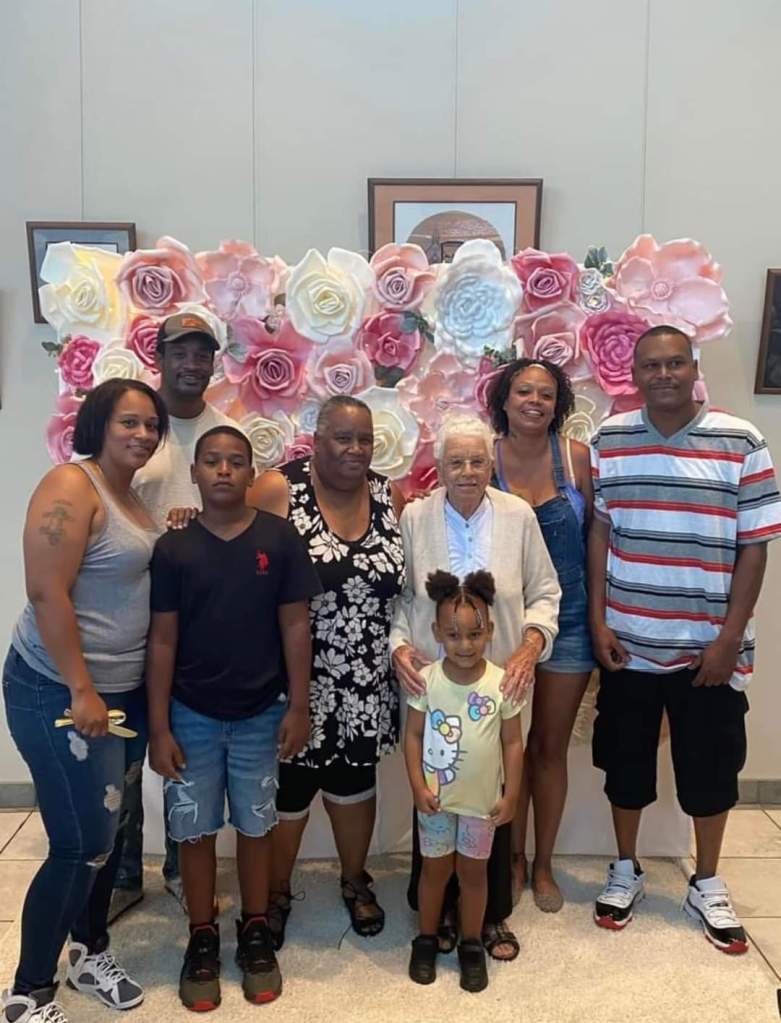
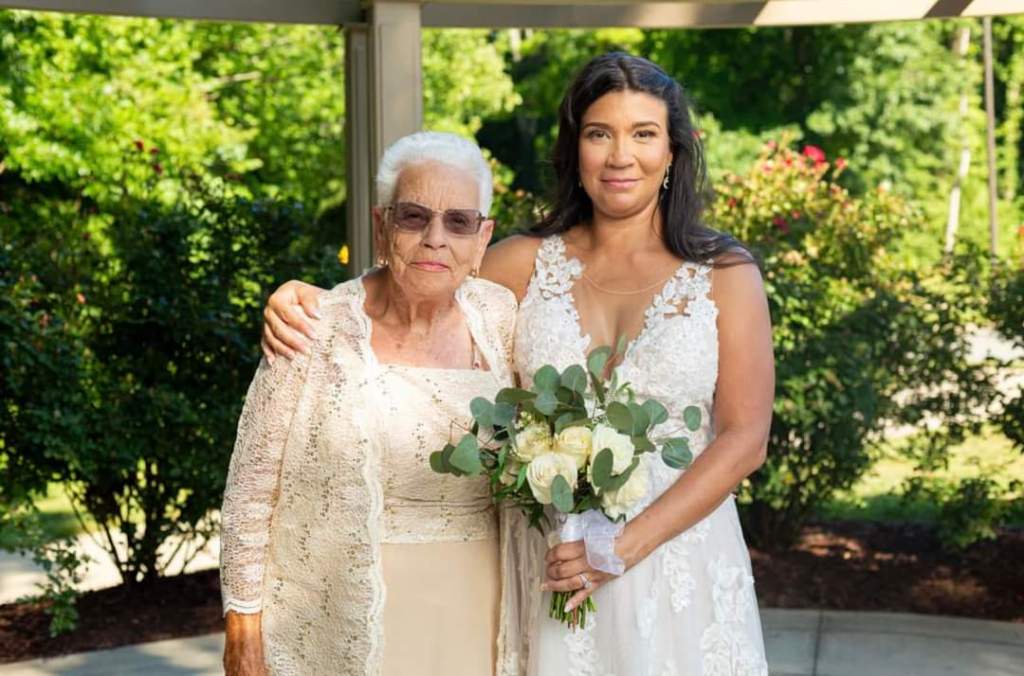
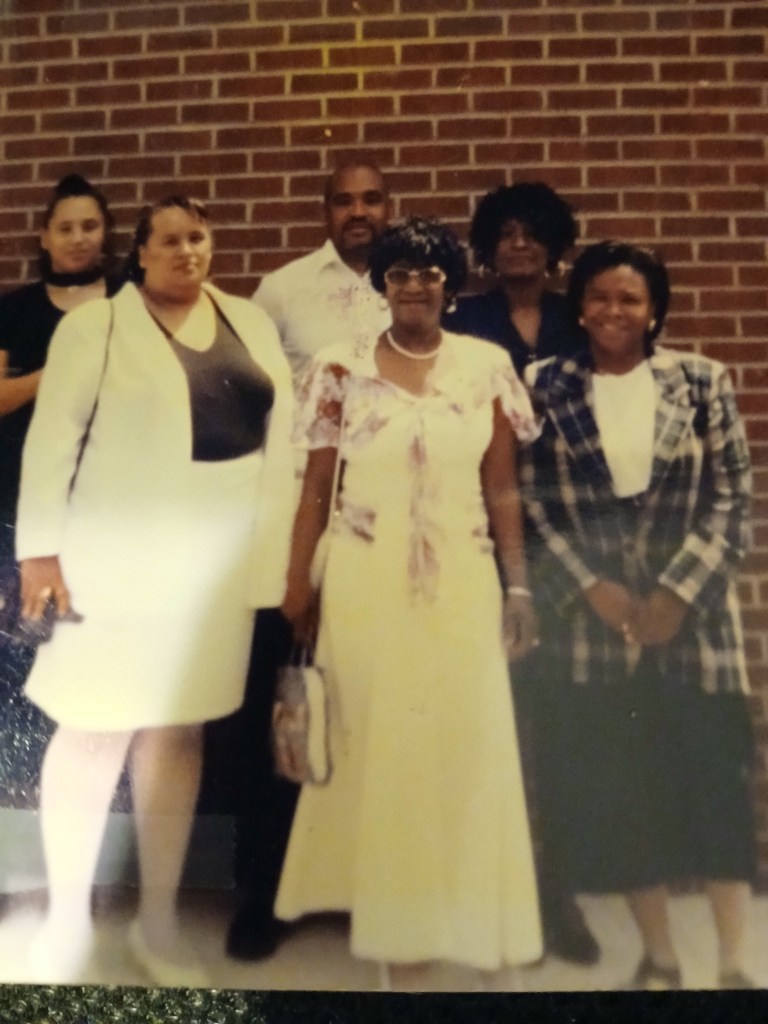
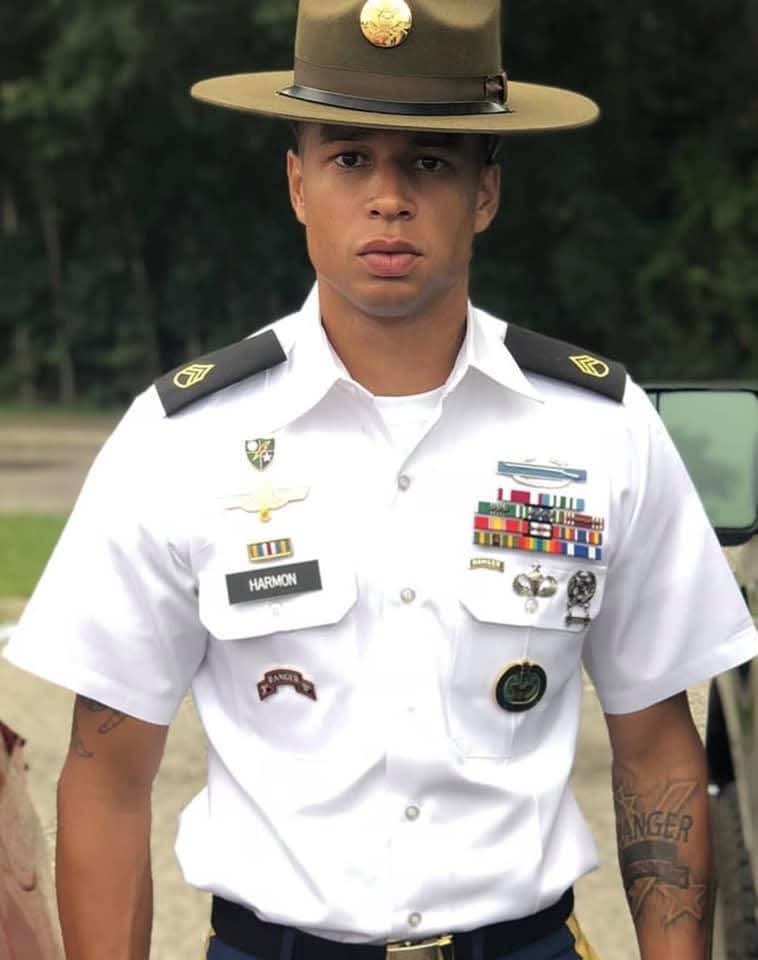
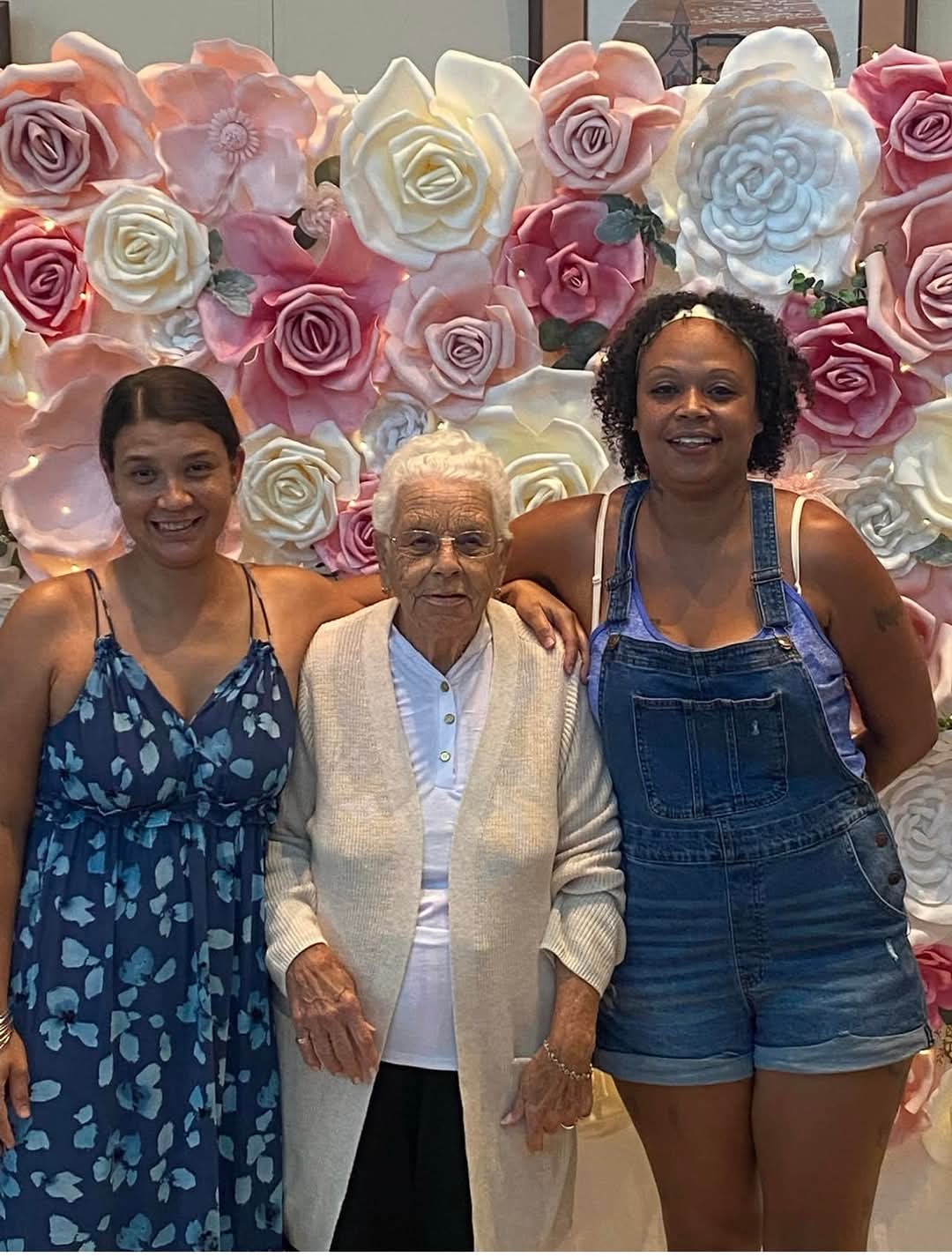
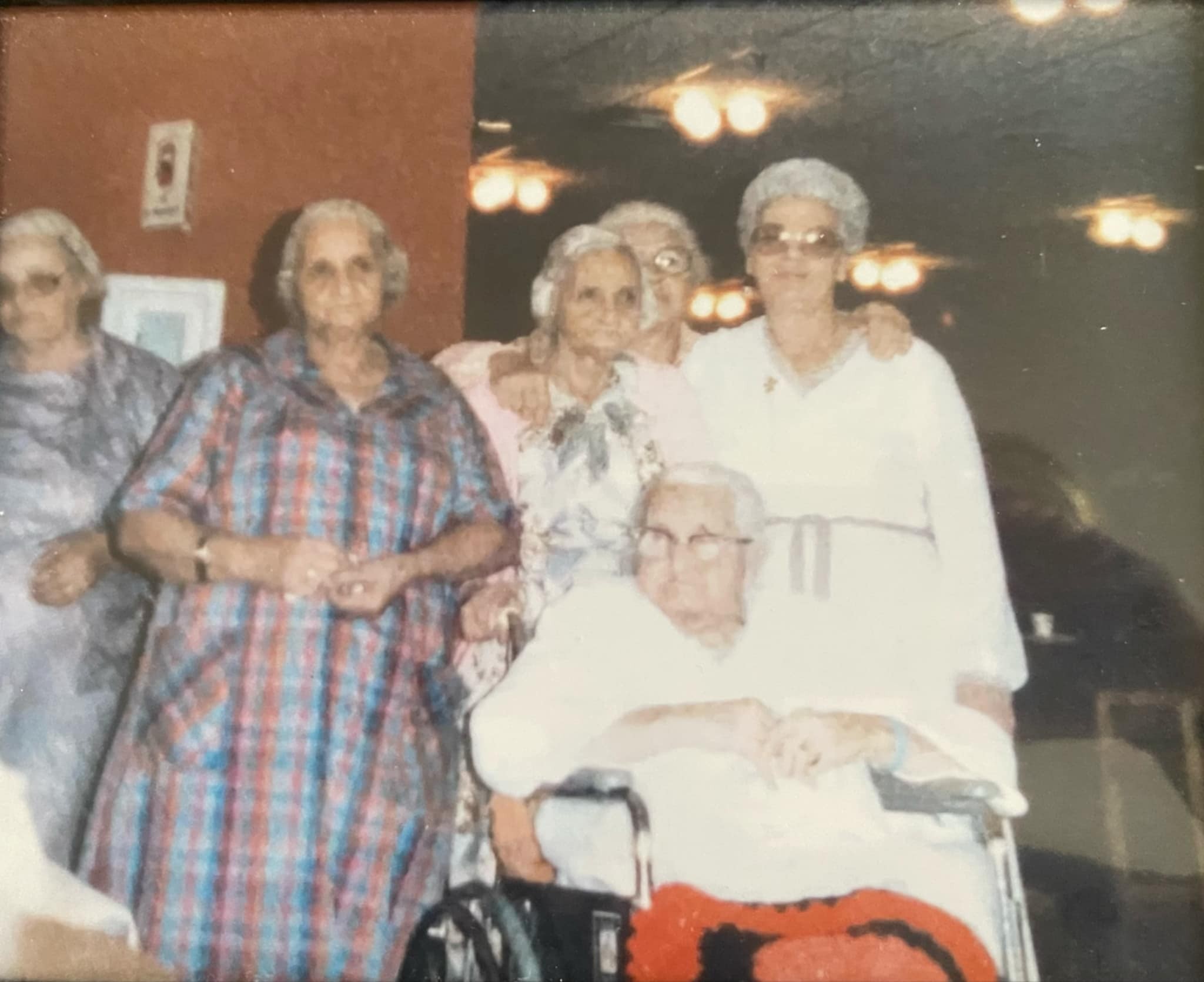
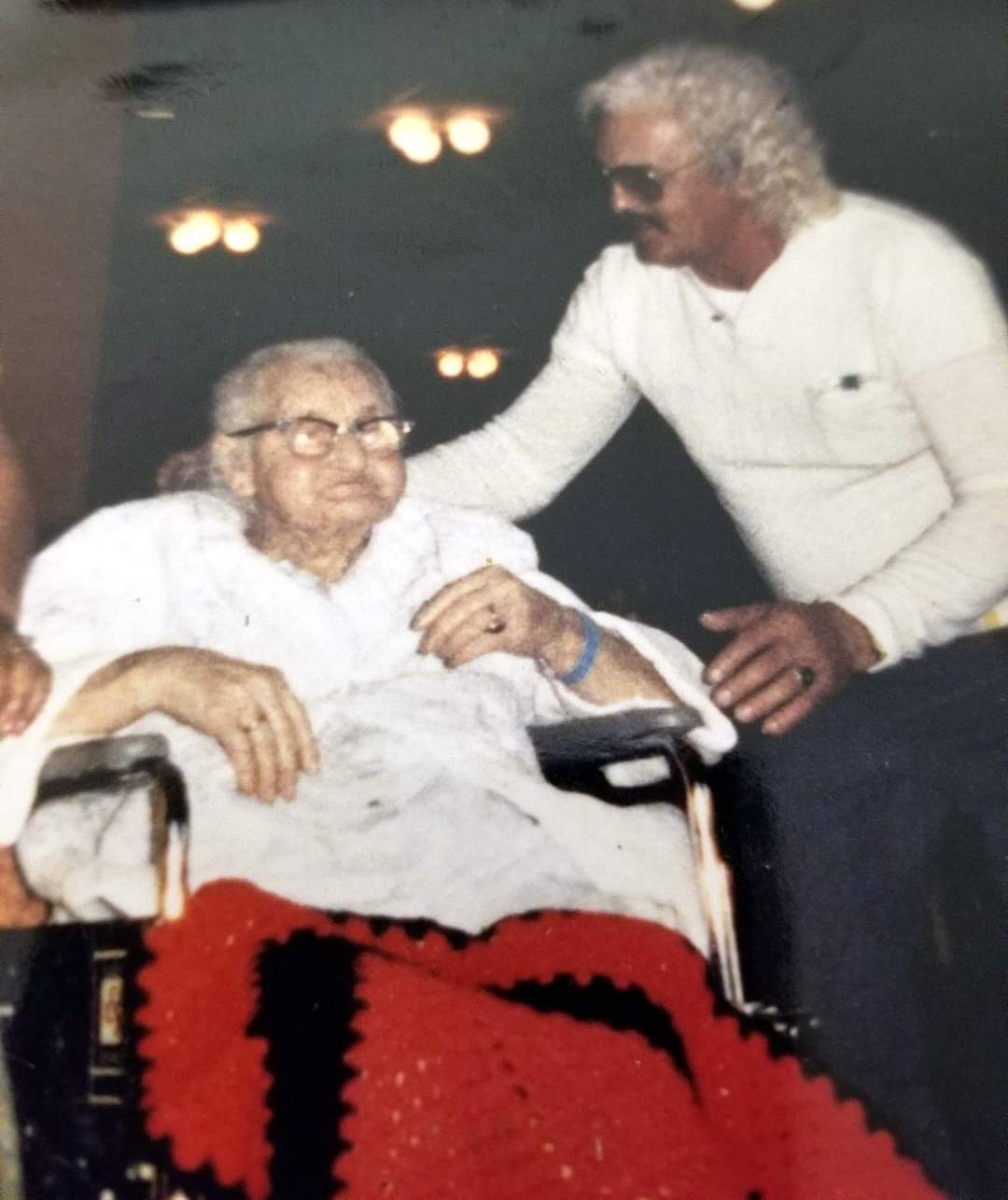
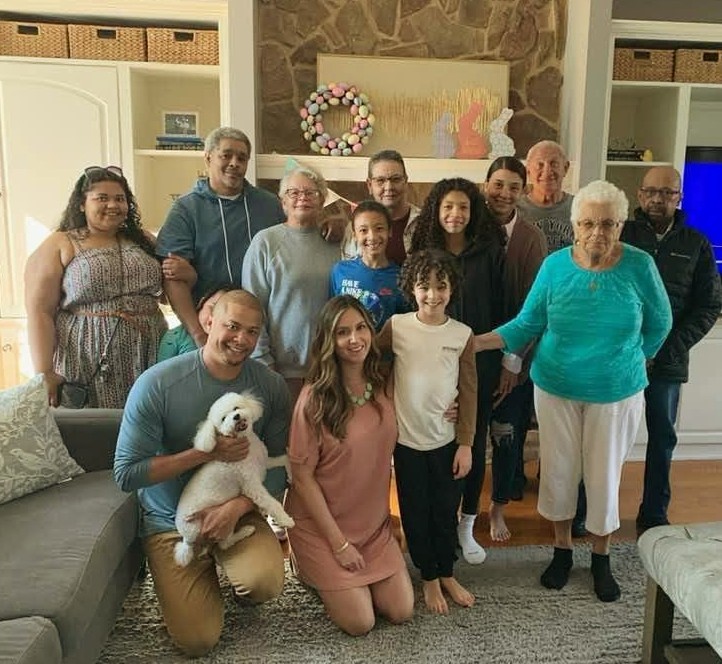
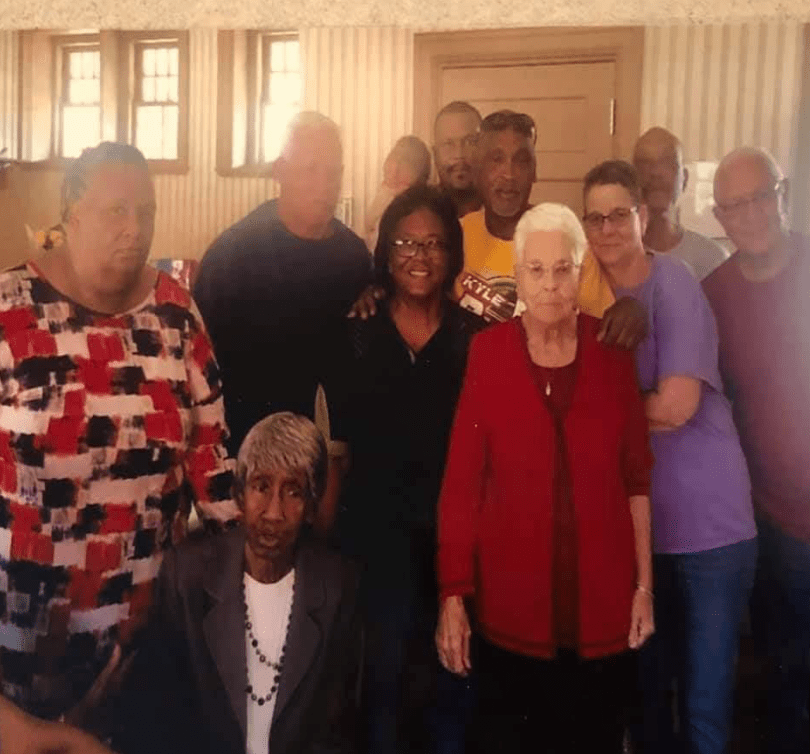
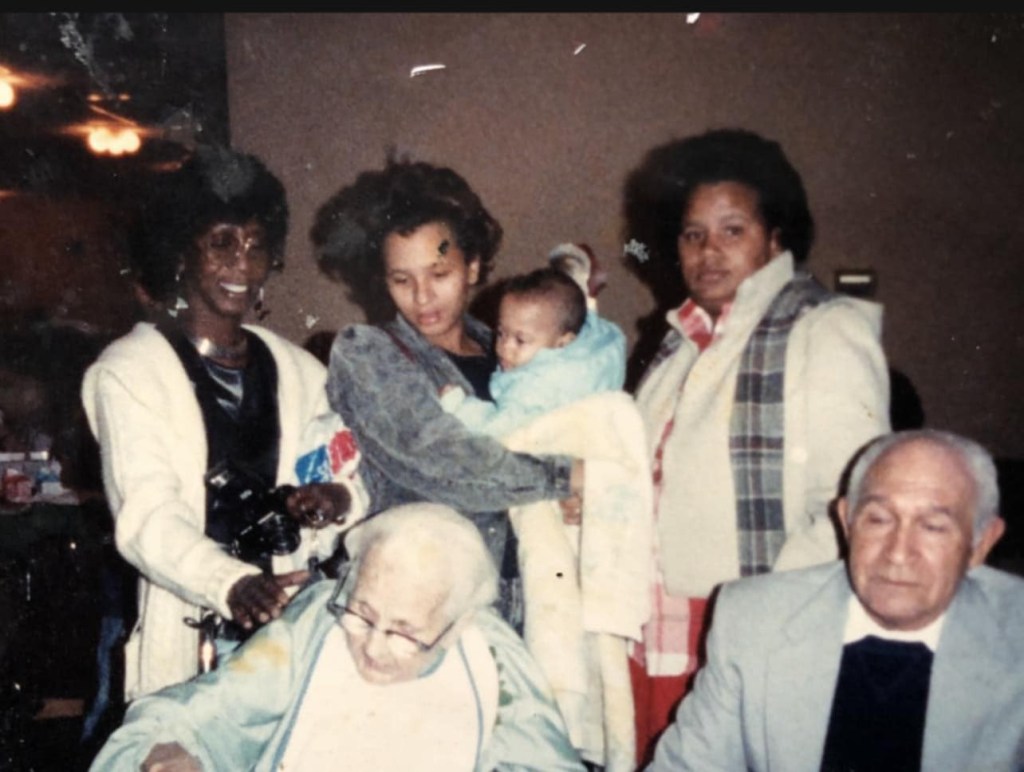
Alice Ann S. Martin, Henry Body Safewright, Jr., and Sadie Mae-daughter.

Sources
- “Obituary for Henry Safewright, Sr.” Obituary, Henry Safewright,Sr. October 2006. https://www.bowerfuneralhome.com/obituary/70223. ↩︎
- “Renia Ayers Safewright (1892-1989).” Find a Grave. Accessed August 12, 2025. https://www.findagrave.com/memorial/118398502/renia-safewright. ↩︎
- “Virginia, Marriages.” Ancestry.com. Virginia, U.S., Select Marriages, 1785-1940 [database on-line]. Provo, UT, USA: Ancestry.com Operations, Inc, 2014.
and, “Virginia, Births, 1721–2015.” Ancestry.com. Virginia, U.S., Birth Records, 1912-2015, Delayed Birth Records, 1721-1920 [database on-line]. Lehi, UT, USA: Ancestry.com Operations, Inc., 2015.
↩︎ - “Virginia, Births, 1721–2015.” Ancestry. Virginia, U.S., Birth Records, 1912-2015, Delayed Birth Records, 1721-1920 [database online]. Lehi, UT, USA: Ancestry.com Operations, Inc., 2015.
↩︎ - “West Virginia Marriages, 1853–1970.” Ancestry. West Virginia, U.S., Marriages Index, 1785-1971 [database online]. Provo, UT, USA: Ancestry.com Operations, Inc., 2011. ↩︎
 23/54 PROJECT