
Slaughter
James and Juanita Slaughter raised their children — Richard, Nathaniel, Perry, Peter, Joyce, Jesse, and Joseph — in the Robinson Tract area of Pulaski County. In 1947, Juanita signed five of them — Richard, Nathaniel, Perry, Peter, and Joyce — onto the Corbin et al. v. County School Board of Pulaski County (1947) lawsuit, joining other Black families in the fight for equal schooling. The Slaughters were also closely connected to two beloved local gospel groups: the Travelin’ Ten, known for their classic harmony rooted in the Black barbershop quartet tradition, and the Stars of Faith, who traveled with the pastor of First Baptist Church to share gospel music across the region. The Slaughter family is remembered for their deep commitment to community, military service, and faith — values that continue to echo through their descendants.
Explore the quilt by clicking on the various elements
An interactive graphic of the quilt square. The linked information can also be found below.
The Slaughter family quilt square features a geometric design to resemble a traditional crazy quilt. The block features a variety of fabrics to convey the many individuals whose stories are woven into the quilt. Like the fabric, these individuals complement one another to form a unified whole. The quilt highlights the Slaughter family’s dedication to faith, family, and military service.
Learn More About the Slaughter Family
Artifacts by Theme
Family
The family’s enduring tie to faith and community reflects a legacy of strength, service, and unity. These shared values and expressions have deepened their closeness to one another as a family unit.
Slaughter Wedding Party Photo
Named Participant List

Faith
The Slaughters’ devotion to their Christian faith is notably strong. Two became preachers, three served as deacons, two as trustees, and others spread the gospel through song.2
“Peace in the Valley” Sheet Music
“Peace in the Valley” is a gospel song written by Thomas Andrew Dorsey, the father of Black gospel music. Dorsey’s song became widely popular when performed by Red Foley and Elvis Presley.3 This song was highly requested for the Travelin’ Ten to perform at churches, nursing homes, and other places the gospel group traveled.
“Jesus will fix it”
Juanita Slaughter was a hardworking mother, housekeeper, and midwife’s assistant. She taught all of her eight children the Bible and fundamental Christian values. Joseph Slaughter shared that “Momma was our spiritual inspiration, and she instilled in all eight of us to be Christians, and all eight of us became Christians because of her prayers. And she prayed for three of us through wars.” Like her children, Juanita sang the gospel at home. “Trouble in My Way” was one of the songs she sang to her children, the chorus containing the lyrics: “Jesus will fix it.”4
Singing
The Slaughter family’s unwavering faith was reflected in the way they used their singing talents to share the gospel with their community.
Stars of Faith Photo
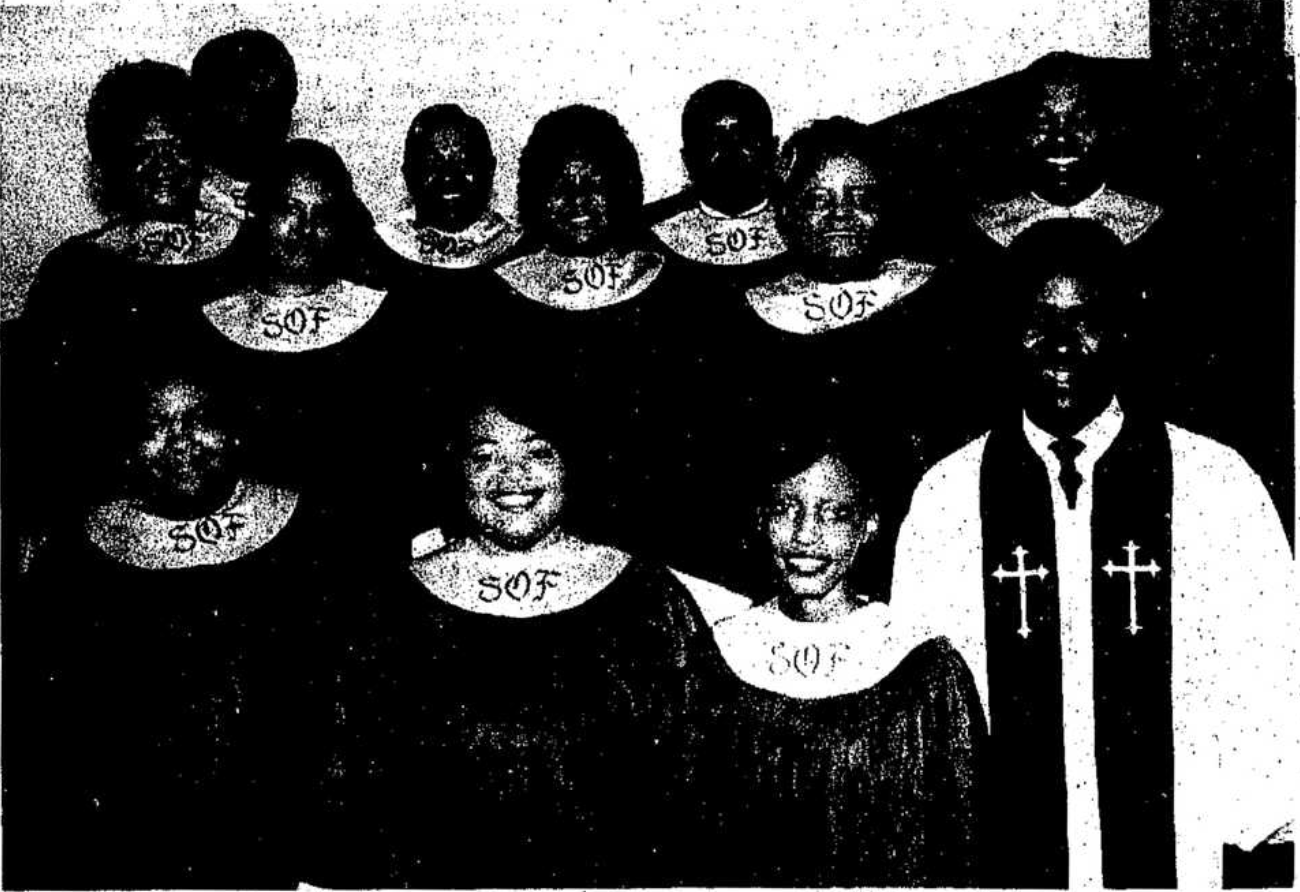
Formed on August 29, 19735, the Stars of Faith was a gospel singing group that traveled with the pastor of the First Baptist Church on Magazine Street. The group accompanied the pastor to churches within and outside Pulaski to impart the gospel through song.6 Historically and presently, a large number of Black Americans identify as Christians, particularly within Protestant denominations.7 For the Slaughters, faith was the cornerstone of their lives and was deeply reflected in each of the children.
Stars of Faith Sash
The members of the Stars of Faith wore robes accompanied by a sash with the letters ‘s’ ‘o’ and ‘f’ that stood for Stars of Faith. These sashes were draped around the robes’ collars and made of silk.8
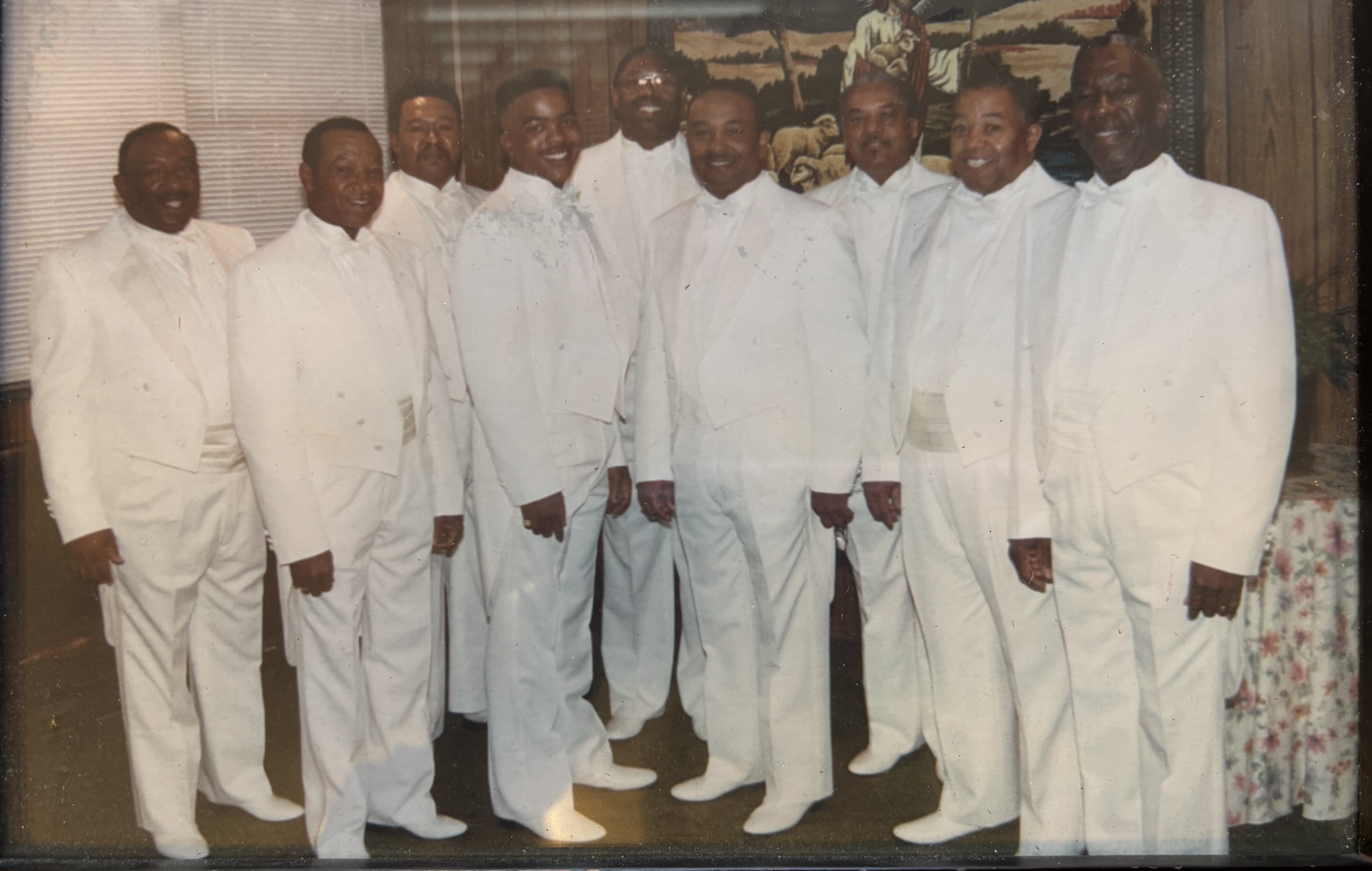
Travelin’ Ten Photo
Starting in 1976, The Travelin’ Ten of the First Baptist Church on Magazine Street spread the gospel through song. The all-men’s group sang “old-fashioned, hand-clapping, spirit-lifting, gospel music. Nathaniel and Richard Slaughter were two of the group’s remarkable ten voices. The group traveled far and wide to volunteer their voices for their love of the Lord in places such as West Virginia, North Carolina, Tennessee, Washington D.C., and others.9
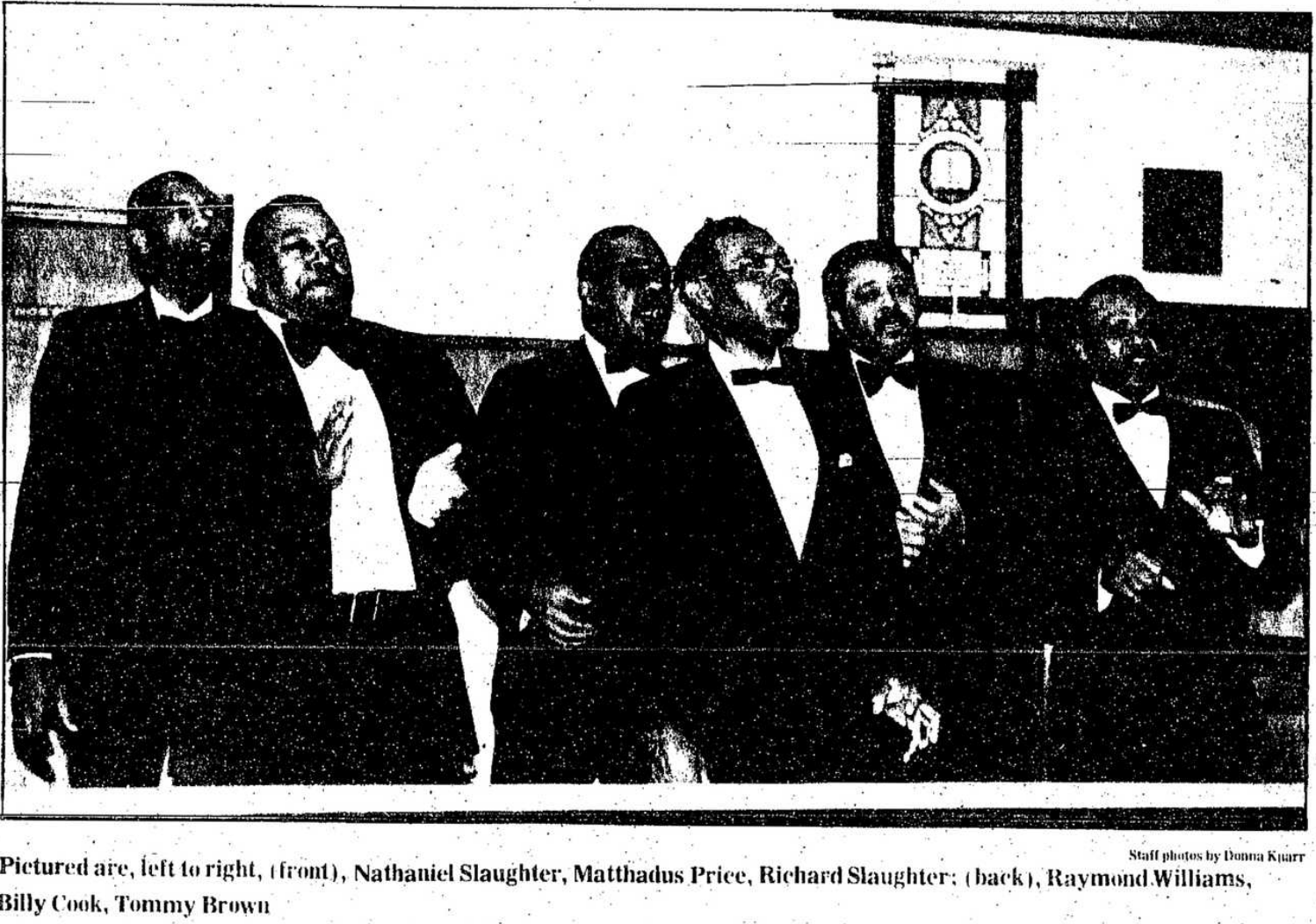
Bowtie
The Travelin’ Ten was an old-fashioned gospel group. The men wore tuxedos with bow ties. This attire is not unlike the hallmark of barbershop quartet groups. The style of singing and harmonizing associated with contemporary barbershop music originates from African-American culture in the late 19th century and early 20th century.10 In the 1930s, Black barber shops fostered community and were spaces for quartet singing. This tradition later influenced gospel music church quartets, which carried forward the style and spirit of barbershop singing.11 The Travelin’ Ten emulated this singing style, holding onto a nostalgic feel with an emphasis on gospel tunes.12
Military Service
The Slaughter family’s commitment to service is remarkable. Two brothers served in Korea, one in Vietnam, and three others served in the military outside of combat.13
Three Stars
Three of the eight children served in combat for the United States during wartime: Richard and Perry in the Korean War and Joseph in the Vietnam War.14 President Harry Truman instituted Executive Order 9981 at the start of the Korean War, which ordered the armed forces to desegregate. Throughout the war, troops integrated despite resistance.15 These brave Slaughter men served their country diligently and their legacies are among many other Black soldiers, past and present, who have fought for this country.
Artifacts by Family Member
Juanita and James Albert Slaughter
Summary
James Albert Slaughter was born in 1904 to Peter and Lucy Shepard Slaughter.16 Juanita Stiger, daughter of John R. Stiger was born on Febuary 12, 1919.17 James Albert married Juanita and together the two had eight children: one daughter, Joyce Carola Thompson, and seven sons, Perry James, Richard Allen, Nathaniel Albert, Caldearry Graham, Joseph Murren, Douglas Thornton, and Peter Robert.18 In 1947, Juanita Slaughter signed the Corbin et al. v. County School Board of Pulaski County, VA. et al. lawsuit on behalf of four of her children: Richard, Nathaniel, Perry, and Joyce.19
Juanita and James Photo
Joyce Thompson (neé Slaughter)
Summary
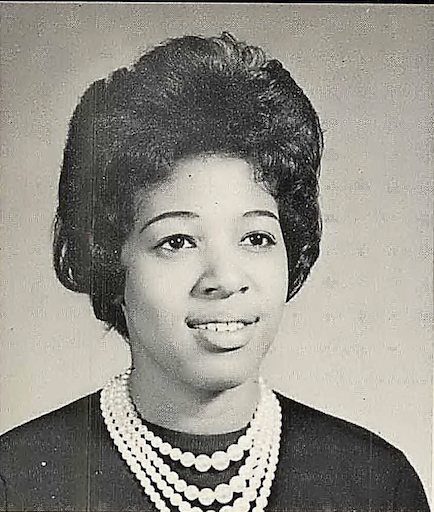
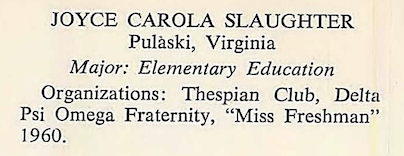
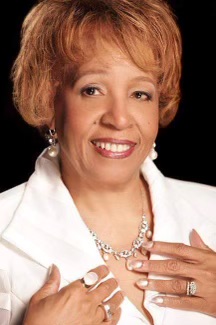
Joyce Carola Slaughter was born in 1939 to parents James and Juanita Slaughter, the family’s only daughter. Joyce attended the Christiansburg Industrial Institute and graduated in 1960. Joyce attended Morristown Normal and Industrial College20, a historically Black two-year institution in Tennessee. The school’s site was a former slave market and a hospital for soldiers during the Civil War; Reverend Judson S. Hill founded the school in 1881.21 The college produced numerous Black educators and preachers who served in Appalachia for several decades.22 23 At Morristown, Joyce studied elementary education and was a member of the Thespian Club, Delta Psi Omega Fraternity, and won “Miss Freshman” of 1960. Joyce had a gift for singing, dancing, and playing piano.24
Joyce Slaughter Photo
Peter Slaughter
Summary
Peter Slaughter was born November 2, 1936, in Pulaski, Virginia.25 After his time in the US Army during the Korean War, Peter married Lovenia Irene White in Duval, Florida.26 The couple relocated to South Orange, New Jersey where they lived the rest of their lives. In New Jersey, Peter was an active member of his church community at Hope Baptist Church, serving as an Usher and a Deacon, and singing in the choir. Peter and Lovenia had two daughters Androda, and Sabrina.27
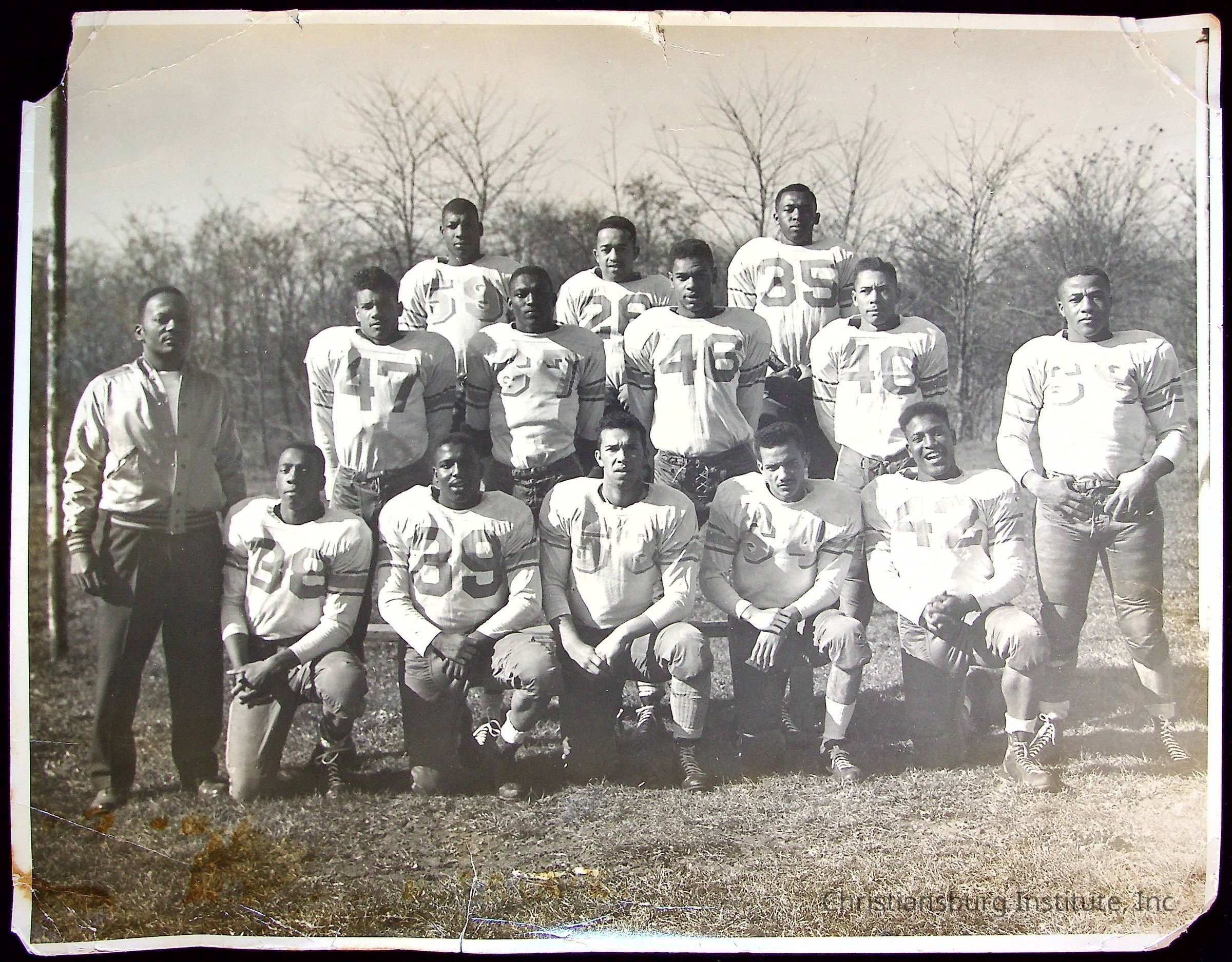
Peter attended Christiansburg Industrial Institute and was a part of their football team, wearing the number thirty-five.28 Christiansburg Institute’s Golden Tigers had very prosperous extracurricular activities broadcast throughout the state. The Virginia Interscholastic Association was a coalition of African American high schools that provided students with opportunities to participate in various activities, such as student organizations, academics, athletics, and arts, enriching their educational experience. Under the umbrella of athletics, VIA held championship competitions for many sports, including football.29 In 1956, the Christiansburg Institute football team won the Virginia Interscholastic Association Western Area Championship. The team was honored the following year for their hard work and dedication.30
Peter Slaughter CI Football Photo
Douglas Slaughter
Summary
Douglas Thornton Slaughter was born on September 23, 1934 to parents James and Juanita Slaughter. According to The Southwest Times, Douglas graduated from the Calfee Training School in 1951.31 In 1952, three days after his eighteenth birthday, Douglas registered for the Korean War Draft. The draft record lists his occupation as a farmworker on the farm of a white widow, Elizabeth Collins in Newbern32, a job also reported on the 1950 Census.33 Then by 1956, according to his marriage certificate, Douglas is working for Coleman’s Furniture Co. On November 2, 1956, Douglas married Mary Madgline Scott of Draper.34 The couple had four children, Debora Harris, Douglas, Edward, and Reginald.35
Cow
Our nation’s history reflects the many barriers to land ownership and financial independence for Black farmers due to widespread racial discrimination. Generational debt was perpetuated by sharecropping and discriminatory New Deal policies, making it harder for Black farmers to thrive. However, Black farmers began to use their ingenuity and resilience to form cooperatives and support their community. By 1954, there were 129,854 non-white farmers in the South who wholly owned and operated their farms.36 Douglas Slaughter had a farm and raised dairy and beef cattle in Draper, VA. Being the one sibling who did not sing, Douglas Sonny Slaughter is known as “the whistler” because he would whistle while working on the farm. The other Slaughter siblings would help out on the farm, milking cows and churning butter.37
Joseph Slaughter
Summary
Joseph Slaughter was born on December 30, 1944 to parents James and Juanita Slaughter.38 As a young boy, Joseph was well involved in his local community participating in Boy Scouts39 and Halloween costume contests. In 1957, Joseph alongside his peers, Teena Jean Wilson, Edward Lewis, Carol Hash, Ray Smith, and Melva Harriman, recieved the community Halloween party prize for funniest costume.40 While attending Christiansburg Institute, Joseph played on the Tigers’ football team. According to The Southwest Times, during the 1961 Homecoming game, Joseph delivered a “stand out” performance as the team’s “defensive halfback making key tackles against the Bedford runners.”41 Joseph’s investment in his community has spanned decades, in 2000 The Southwest Times reported on his role as a poll worker in the municipal elections.42
Joseph Slaughter US Army Photo
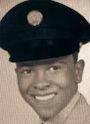
Joseph Slaughter served in the US Army during the Vietnam War among the three hundred thousand African Americans who participated.43 While the war was a deeply divisive conflict at home, many African Americans volunteered for service and continued their service after the war. The military posed opportunities for advancement, yet racial tensions within the US were transposed overseas during wartime. The legacy of African American service members in the war remains significant, as they were integral to the war effort.44 Joseph Slaughter and his peers risked their lives to defend this country during a time of intense political and social strife, with 24% of Black Army service members accounting for combat casualties despite being only 31% of the military force.45
Sources
- Corbin et al. v. County School Board of Pulaski County, VA. et al. 84 F. Supp. 253 (W.D. Va. 1949) May 2, 1949. ↩︎
- “Conversation with Joseph Slaughter.” 23/54 Quilt Workshop. December 13, 2024. ↩︎
- “Thomas A. Dorsey.” Gospel Music Association. April 17, 2024. Accessed on March 21, 2025. https://gospelmusichalloffame.org/hall-of-fame-inductees-and-honorees/thomas-a-dorsey. ↩︎
- “Conversation with Joseph Slaughter.” 23/54 Quilt Workshop. ↩︎
- “Stars of Faith Set Weekend Observance.” The Southwest Times. October 18, 1985. Page 7. Accessed on Virginia Chronicle Library of Virginia Digital Newspaper Archive. ↩︎
- “Stars of Faith Set Weekend Observance.” The Southwest Times. October 18, 1985. Page 7. Accessed on Virginia Chronicle Library of Virginia Digital Newspaper Archive. ↩︎
- Mohamed, Besheer, Kiana Cox, Jeff Diamant, and Claire Gecewicz. 2021. “Faith and Religion Among Black Americans.” Pew Research Center. https://www.pewresearch.org/religion/2021/02/16/faith-among-black-americans/. ↩︎
- “Conversation with Joseph Slaughter.” 23/54 Quilt Workshop. ↩︎
- Knarr, Donna. “Travelin’ Ten will travel where asked.” The Southwest Times. February 22, 1987. Pages A16-17. Accessed on Virginia Chronicle Library of Virginia Digital Newspaper Archive. ↩︎
- Abbott, Lynn. “Roots of Barbershop Harmony.” Barbershop Harmony Society. n.d. Accessed on March 21, 2025. https://www.barbershop.org/about/history-of-barbershop/. ↩︎
- Abbott, Lynn. “‘Play That Barber Shop Chord’: A Case for the African-American Origin of Barbershop Harmony.” American Music 10, no. 3 (1992): 289–325. https://doi.org/10.2307/3051597. ↩︎
- Knarr, Donna. “Travelin’ Ten will travel where asked.” The Southwest Times. ↩︎
- “Conversation with Joseph Slaughter.” 23/54 Quilt Workshop. ↩︎
- Ibid. ↩︎
- “Executive Order 9981, Desegregating the Military.” National Park Service. n.d. Accessed on March 21, 2025. ↩︎
- Commonwealth of Virginia. Certificate of Death for James Albert Slaughter. July 3, 1975. File no. 75-019493. Pulaski, Virginia. Accessed on Ancestry.com. ↩︎
- Commonwealth of Virginia. Certificate of Death for Juanita Stiger Slaughter. January 2, 1969. File no. 68038595. Pulaski, Virginia. Accessed on Ancestry.com. ↩︎
- “Deaths and Funerals, J. Albert Slaughter.” The Southwest Times. June 25, 1975. Page 2. Accessed on Virginia Chronicle Library of Virginia Digital Newspaper Archive. ↩︎
- Corbin et al. v. County School Board of Pulaski County, VA. et al. 84 F. Supp. 253 (W.D. Va. 1949) May 2, 1949. ↩︎
- “Conversation with Joseph Slaughter.” 23/54 Quilt Workshop. ↩︎
- The Historical Marker Database. Morristown College. 2015. Hamblen County, Tennessee. Accessed on March 21, 2025. https://www.hmdb.org/m.asp?m=128454. ↩︎
- “Morristown College History Project.” Hamblen County, TN. Black in Appalachia. n.d. Accessed on March 21, 2025. https://www.blackinappalachia.org/morristown. ↩︎
- Cason, Kevin. “Morristown College.” The Tennessee Encyclopedia. October 8, 2017. Accessed on March 21, 2025. http://tennesseeencyclopedia.net/entries/morristown-college/. ↩︎
- Morristown College Yearbook. 1963. Morristown, Tennessee. Accessed on Ancestry.com. ↩︎
- “Area Deaths, Peter Robert Slaughter.” The Southwest Times. December 29, 2004. Page 2. Accessed on Virginia Chronicle Library of Virginia Digital Newspaper Archive. ↩︎
- Florida Department of Health. Florida Marriage Index, 1927-2001. November 1962. Volume no. 2090. Certificate no. 35279. Page 1223. Accessed on Ancestry.com. ↩︎
- “Area Deaths, Peter Robert Slaughter.” The Southwest Times. December 29, 2004. Page 2. ↩︎
- “CII Football Team, c. 1955.” Smokehouse Collection. 1955. Christiansburg Institute Digital Archive. https://hub.catalogit.app/christiansburg-institute-digital-archive. ↩︎
- “About the VIA.” Virginia State University, VIA Heritage Association, Teaching for Change, et. al. n.d. Accessed on March 21, 2025. https://viastory.org/about. ↩︎
- “VIA Western Area Champions 1956 Event Program.” John F. Banks Collection [1910-1979]. 1956. Christiansburg Institute Digital Archive. https://hub.catalogit.app/christiansburg-institute-digital-archive. ↩︎
- “Calfee School Graduates.” The Southwest Times. June 3, 1951. Page 5. Accessed on Virginia Chronicle Library of Virginia Digital Newspaper Archive. ↩︎
- National Archives at St. Louis; St. Louis, Missouri. Records of the Selective Service System, 1926–1975. 147. Douglas Thornton Slaughter. Post-WWII through Vietnam Era Selective Service Records, Virginia. 147-76-29. Accessed on Ancestry.com. ↩︎
- Department of Commerce–Bureau of the Census. 1950 Census of Population and Housing. Pulaski, Virginia. Enumerated April 10, 1950. Sheet no. 10. Entry for Douglas Slaughter. Accessed on Ancestry.com. ↩︎
- Commonwealth of Virginia. Certificate of Marriage for Douglas Thornton Slaughter and Mary Madgline Scott. November 2, 1956. File no. 34969. Pulaski, Virginia. Accessed on Ancestry.com. ↩︎
- Thomas, Mrs. F.D. “Pulaski.” The Southwest Times. November 21, 1985. Page 3. Accessed on Virginia Chronicle Library of Virginia Digital Newspaper Archive. ↩︎
- Reynolds, Bruce J. “Black Farmers in America, 1865-2000 The Pursuit of Independent Farming and the Role of Cooperatives.” United States Department of Agriculture. 2003. https://www.rd.usda.gov/files/RR194.pdf. ↩︎
- “Conversation with Joseph Slaughter.” 23/54 Quilt Workshop. ↩︎
- Commonwealth of Virginia. Certificate of Marriage for Joseph Murren Slaughter and Tokey Mayonia Boyers. September 28, 1993. File no. 93050838. Pulaski, Virginia. Accessed on Ancestry.com. ↩︎
- “Boy Scout Troop Organized At Calfee School Recently.” The Southwest Times. April 24, 1956. Page 13. Accessed on Virginia Chronicle Library of Virginia Digital Newspaper Archive. ↩︎
- “Pulaski Reports Unusually Quiet Halloween Observance, Winners Named.” The Southwest Times. November 1, 1957. Page 1. Accessed on Virginia Chronicle Library of Virginia Digital Newspaper Archive. ↩︎
- “CI Tigers Hold Homecoming.” The Southwest Times. November 3, 1961. Page 8. Accessed on Virginia Chronicle Library of Virginia Digital Newspaper Archive. ↩︎
- “Making it Count.” The Southwest Times. May 1, 2012. Page 1. Accessed on Virginia Chronicle Library of Virginia Digital Newspaper Archive. ↩︎
- Elsbury, Will. “Racial, Ethnic, and Religious Minorities in the Vietnam War: A Resource Guide.” Library of Congress. September 12, 2022. https://guides.loc.gov/racial-ethnic-and-religious-minorities-in-the-vietnam-war. ↩︎
- “Black Liberation and the Vietnam War.” National Museum of African American History and Culture. Moments. n.d. Accessed on March 21, 2025. https://nmaahc.si.edu/explore/moments/black-liberation-and-vietnam-war. ↩︎
- Elsbury, Will. “Racial, Ethnic, and Religious Minorities in the Vietnam War: A Resource Guide.” Library of Congress. ↩︎
 23/54 PROJECT