
TrueHeart
Irvin Watson Trueheart and his wife, Pauline Hall Trueheart, raised their six children—Billy, Garland, Joseph, George, Thomas, and Eva Dora—in Draper, Virginia, where the family was known for their strong work ethic, faith, and deep community involvement. In 1947, Irvin signed three of his children—Nellie, Garland, and Joseph—onto the Corbin et al. v. County School Board of Pulaski County (1947) lawsuit, joining other Black families demanding equal educational opportunities. Throughout their lives, the Trueheart children made their mark in many ways: working decades at the Radford Arsenal and Xaloy, singing in church gospel groups, cultivating award-winning gardens, and serving in civic organizations like the NAACP. The Trueheart family’s story reflects a legacy of service, perseverance, and strong ties to their Draper community that continues across generations.
Explore the quilt by clicking on the various elements
For best user experience, use full screen mode
An interactive graphic of the quilt square. The linked information can also be found below.
The quilt is designed around the symbol of a puzzle, symbolizing how each family member’s life and contributions fit together to form the larger story of the Trueheart family. Each individual’s unique qualities, achievements, and connections are represented through their own puzzle piece on the quilt. These pieces come together to form the family’s collective identity, values, and shared history, especially in their community of Draper, VA.
Learn More About the Trueheart Family
Artifacts by Theme
Family Unity
The Trueheart quilt block design was carefully thought out and crafted in a way to show the various ways the family was connected and supported one another. The design focuses on the concept of a puzzle, symbolizing how each family member’s life and contributions fit together to form the larger story of the Trueheart family. Each individual’s unique qualities, achievements, and connections are represented through their own puzzle piece on the quilt. These pieces come together to illustrate the family’s collective identity, values, and shared history, especially in their community of Draper, VA.
Fist with Wrench
The middle section of the quilt visually represents the shared trades and connections that bind the Trueheart family. An overarching theme between all the members of the Trueheart family is their hard work and commitment to their families and communities. Many members of the Trueheart family have been recognized for their years of commitment to their place fo work, along with being recognized for their presence within their communities. Whether that was though the church, gospel and singing groups, or local gardening organizations and competitions, the Trueheart family made a lasting impact on the Pulaski and Draper communities of Virginia.
Named Participant List
spacer
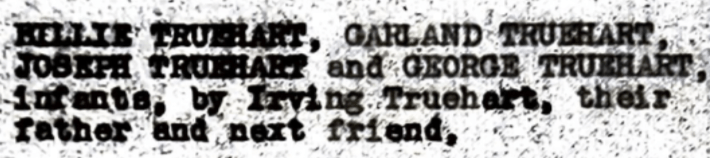
“Nellie Truehart, Garland Truehart, Joseph Truehart, infants, by Irving Truehart, their father and next friend,”
Draper, VA
Draper, Virginia has remained a very important place and community for the Trueheart family. All of Irvin Trueheart’s children, including those listed on the Corbin et al. v. County School Board of Pulaski County, VA. et al case, and the children who were not listed, were all born in Draper. Irvin Trueheart himself, was also born and raised in Draper, Virginia. This place has proven itself as a significant place of childhood, nostalgia, and home to many members of the Trueheart family, despite some family member’s moving away.
Construction
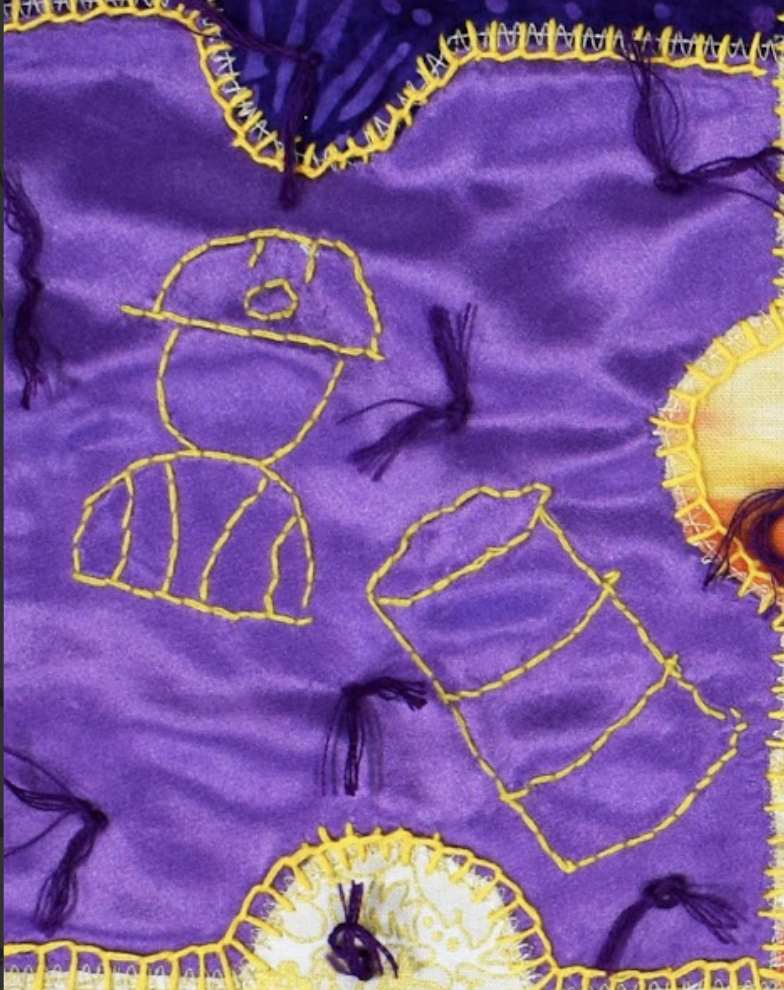
The imagery on the two purple silk puzzle pieces includes images of a laborer with a hat, screws, and a man holding a wrench, symbolizing the family’s work in construction, day labor, and factory jobs in Draper. After the Civil Rights Act of 1964, Black Americans made historic gains in employment opportunities in integrated workspaces. These included high-paying blue-collar jobs, which offered workers middle-class wages, stable employment, and health benefits. They also gave Black Americans access to unionized operations and skilled craft jobs. By around the end of the 1970s, Black Americans experienced upward mobility through manual labor jobs.1

Artifacts by Family Member
Irvin Watson Trueheart
Summary
Irvin Watson Trueheart was born on April 15, 1910 to parents Emma Miller and David Trueheart in Pulaski, Virginia. In 1935, Irvin married Pauline Hall and the couple had six children, Billy, Garland, Joseph, George, Thomas, and Eva Dora Truheart.
Symbolic Representation
World War II Draft Registration Card Snippet
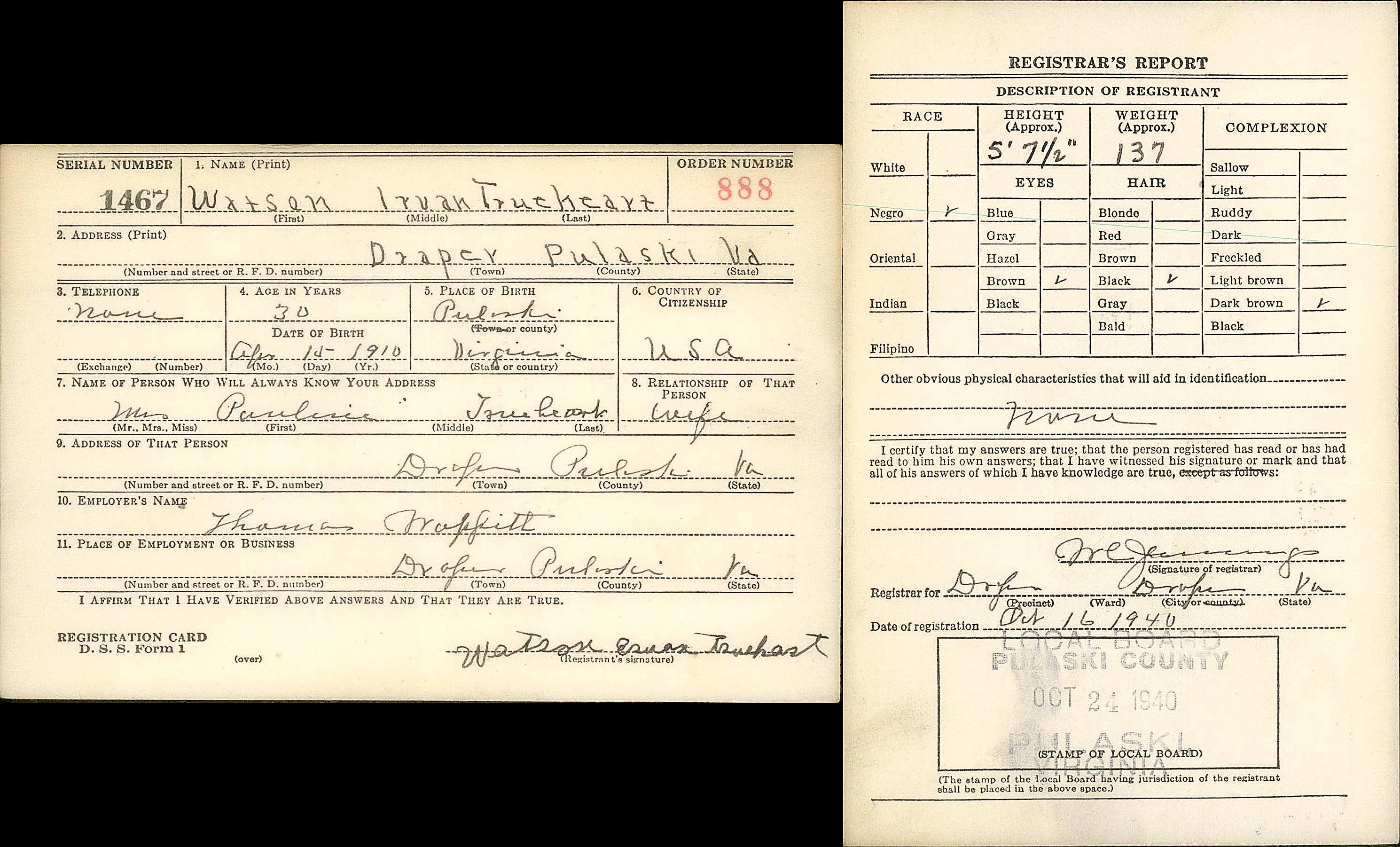
Irvin’s occupation as a day laborer is noted on his death certificate. The family records also include a World War II Draft registration card with Irvin’s signature. According to the record, Irvin registered at the Pulaski County Draft Board on October 16, 1940.2 The U.S.A. enacted the Selective Training and Service Act of 1940 on September 16. It was the first peacetime draft in United States history. Those selected were required to serve a minimum of one year in the armed forces. When the United States entered World War II, the draft continued until the end of the war. By 1945, around 50 million men had been registered for the draft, and 10 million had been conscripted into the military.
Death Certificate Snippet
This image indicates Irvin’s occupation as a day laborer at the time of his death.3

Billy Trueheart Sr.
Summary
Billy Bishop Trueheart was born on June 11, 1931 to parents Irvin and Pauline Treheart. In his adulthood, Billy Worked at the Arsenal, attended church at the Slaughter’s Chapel United Methodist Church. Billy had four children, Billy Jr., Brenda, Claudine, and Michael Trueheart. Billy passed away in June of 2008. 4
Symbolic Representation
Billy and His “Big Tomato”
“Big Tomato”
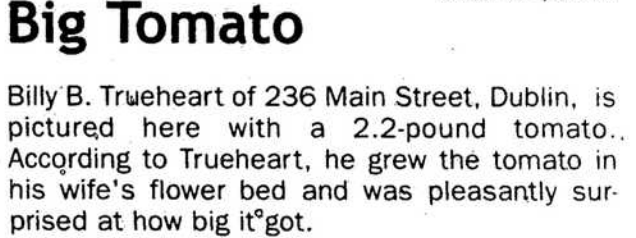
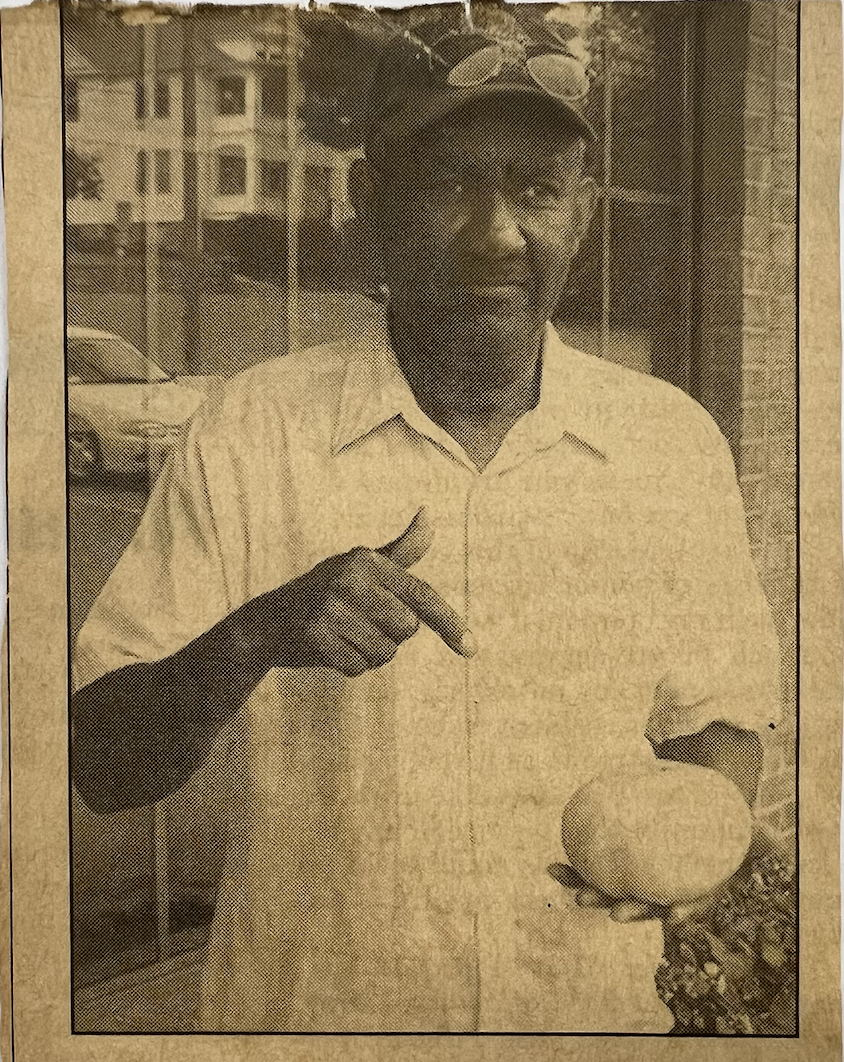
Billy Trueheart was recognized for his gardening skills in the local paper. The image on the left, accompanied the image above in a 2004 issue of The Southwest Times5. African Americans have a long history with gardening, stemming from tradition and necessity. Enslaved African Americans not only tended to the crops of their enslavers but also produced sustenance gardens to supplement their meager rations.6 Black gardening continued past Emancipation and into the Jim Crow era as both a means of living (sharecropping) and a way of feeding their community. Because Black Americans had limited access to healthcare and healthy food, they sought to provide these services through gardening instead. Many Black Americans cultivated edible and medicinal plants for their families and communities.7
George Leondus Trueheart
Summary
George Leondus Trueheart was born in 1938 to parents Irvin Pauline Trueheart. In 1960, George graduated from Christiansburg Institute alongside his brother Joseph. In 1978, George married Chanie Hunter Finley.8 In 1991, The Southwest Times reported on George’s involvement in the Pulaski County Chapter of the National Association for the Advancement of Colored People (NAACP) as their Program Chairman demonstrating his commitment to advancing social justice. At the time, the Pulaski County Chapter of the NAACP had 150 members under the leadership of its Chapter President George Penn. The Pulaski County Chapter of the NAACP was started by Dr. P.C. Corbin, who with the help of Commonwealth of Virginia’s NAACP attorneys filed the 1947 Corbin et al. v. County School Board of Pulaski County, VA. et al. lawsuit which the Trueheart family and twenty-four other families participated in. 9
Symbolic Representation
Photo
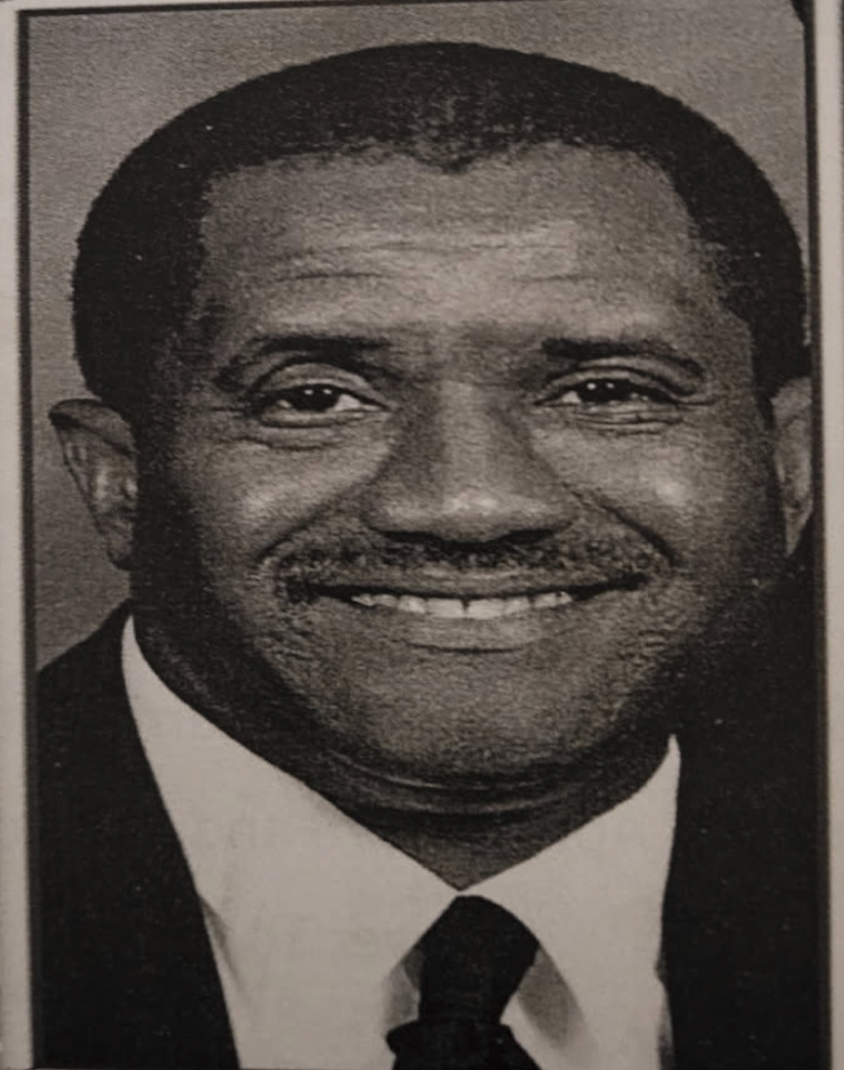
“Usher Board to Celebrate”
George was a devout church member who focused especially on church choir participation. Various news articles and headshots document his commitment to his church community. A photo of George celebrating his contributions to the church choir is featured. An article showcasing George with other church members from First Baptist Church highlights his dedication. The Black church has served as both a spiritual haven and a civic cornerstone of Black Americans’ lives. The Black church and spirituality inspired and carried out many social movements, such as Nat Turner’s Slave Rebellion, the Abolitionist work of Frederick Douglass, and the efforts of many Christian political leaders during the 1960s.10 In addition, the Black church provides a space for community, culture, and the cultivation of the arts. From choirs to prose and poetry, the Black church was one of the first spaces in African American culture to aid and promote the growth of Black American culture.11
Thomas Trueheart
Summary
Thomas Trueheart was born on April 11, 1942 to parents Irvin and Pauline Trueheart. Thomas attended both Calfee Training School and Christiansburg Institute, graduating in 1962. 12Thomas worked for Xaloy Inc. for 31 years and was recognized for his service in his early years with the company. Thomas married Waxanna Trueheart and the couple had two daughters Arnita Harper and Stephanie Poindexter. In February of 2001, Thomas passed away. 13
Symbolic Representation
Photo
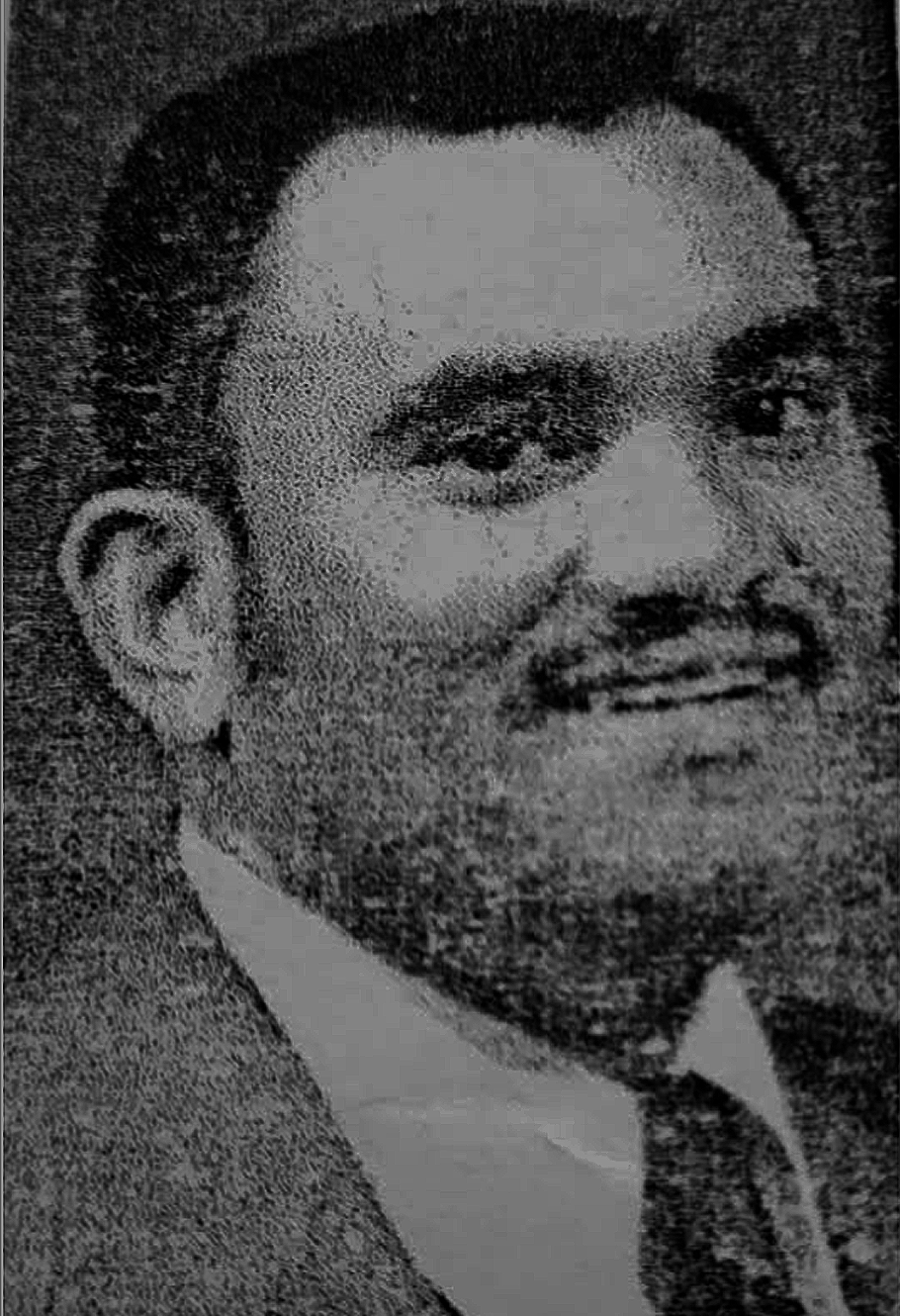
“5 years of Service”
In 1974, Thomas was recognized by The Southwest Times for his dedication at Xaloy, Inc., one of the few employees celebrated for five years of service.14 Xaloy is a world-leading company that designs and produces “bimetallic plasticizing equipment.” The company was founded in 1929 and is the inventor of bimetallic castings.15 Thomas went on to work for the company for another twenty-six years demonstrating fierce loyalty and commitmment to his work.16
Garland Watson Trueheart
Summary
Garland Watson Trueheart was born on March 27, 1934 to Irvin and Pauline Trueheart. In 1962 Garland married Josephine Brown of Greenville, TN.17 Garland, like many of his brothers, worked at the “arsenal” for several years. He loved to sing and was a part of the UMC Gospel Singers in community with his family.18 Garland was known for his passion for gardening, in 1999 The Southwest Times writing that he “takes pride in his green thumb.”19 Garland passed away in October of 2010.20
Symbolic Representation
Garland Photo
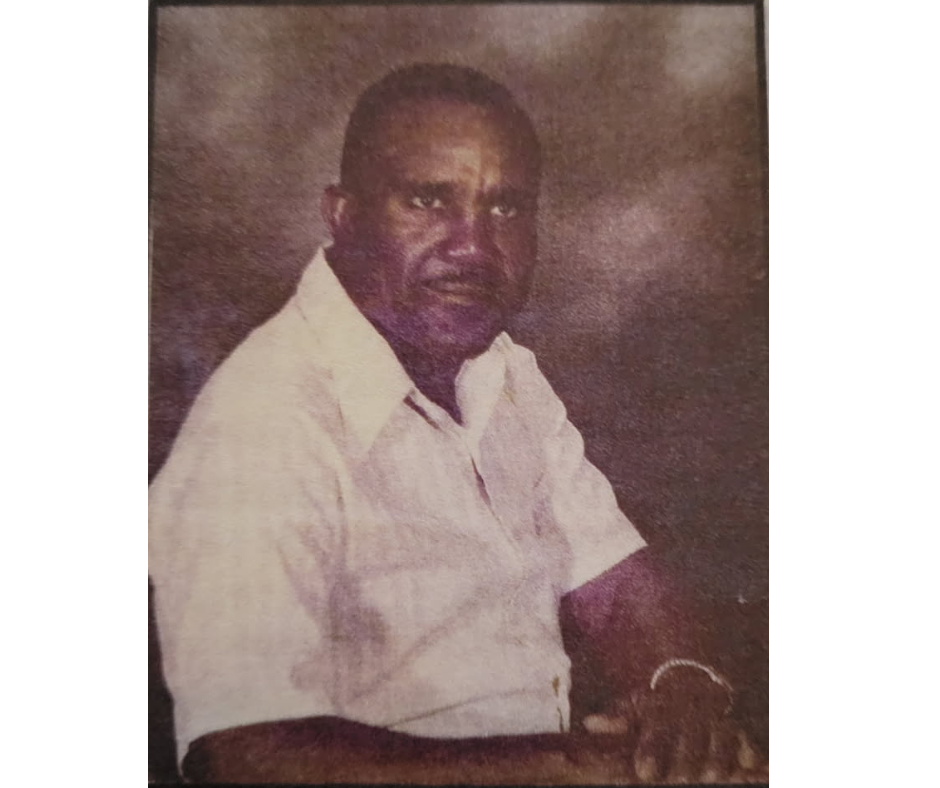
25+ Years Service at Arsenal
On March 29, 1987 The Southwest Times reported on various personnel at the Hercules Inc. Radford Army Ammunition Plant, often nicknamed “the arsenal.” Both Billy and Garland Trueheart were featured in this article. Billy is listed as a “Solvent Powder Operator” and Garland as a “Acid Vessel Repairman.” Garland’s feature catalog’s his deep involvement in the Pulaski community including his over twenty-five year long tenure at the arsenal.21 Hercules is a gunpowder company and the operating contractor for the Radford Army Ammunition Plant (RAAP), a government-owned, contractor-operated facility. Hercules Inc. was the contractor responsible for building the RAAP facility, which included 870 buildings by the end of World War II.22
Joseph Lewis Trueheart Sr.
Summary
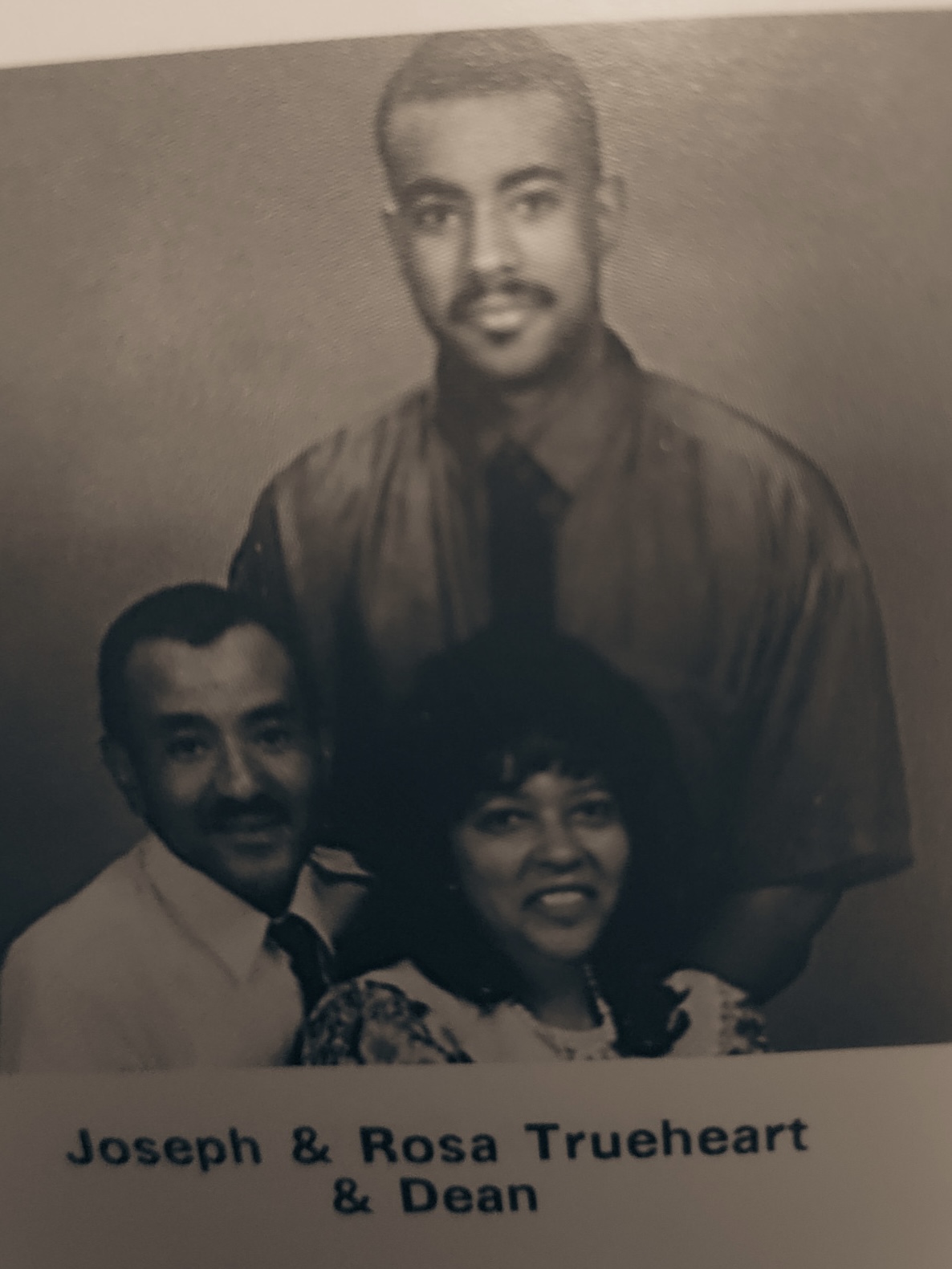
Joseph Lewis Trueheart Sr. was born in 1938 to parents Irvin and Pauline Trueheart. Joseph graduated from Christiansburg Institute in 1960, alongside his brother George. In 1966, Joseph married Rosa Miller of Barren Springs 23 and the couple had two children. Joseph Jr. and Clarence Trueheart. Joseph Sr. passed away in July of 2017. 24
Symbolic Representation
Family Photo
Truck
The quilt, featuring a truck, symbolizes this long tenure at the company. Black Americans have a long history with the auto industry. Due to its reputation as a prime car production center, one of the most important cities for Black Americans to migrate to was Detroit. However, in 1940, only three percent of the auto industry workforce was Black. In addition, most Black workers were overqualified for the positions they held. Discrimination against Black workers caused auto manufacturers to be picky and only select the most qualified African Americans from the job pool. The activism of the 1960s led to more auto jobs for Black Americans, mostly in plants located in major cities. The Trade Union Leadership Council, a reform organization led by African Americans, pushed for the expansion of Black Americans into higher-paying auto industry jobs.25
Sources
- Lazonick, William, Moss, Philip, and Weitz, Joshua. 2021. “The Unmaking of the Black Blue-Collar Middle Class.” https://doi.org/10.36687/inetwp159. ↩︎
- National Archives; St. Louis, Missouri. Records of the Selective Service System. World War II: First Registration. “Watson Irvan Trueheart.” Serial Number 1467. 1940. Accessed on Ancestry.com. ↩︎
- Irvin Watson Trueheart. Death Certificate. 25886. Commonwealth of Virginia Department of Health, Bureau of Vital Statistics. Charlottesville. November 3, 1952. Accessed on Ancestry.com. ↩︎
- “Area Deaths, Billy Bishop Trueheart Sr.” The Southwest Times. Pulaski. June 9, 2008. Page 2. Accessed Virginia Chronicle Library of Virginia Digital Newspaper Archive. ↩︎
- “Big Tomato.” The Southwest Times. Pulaski. September 21, 2004. Page 3. Accessed Virginia Chronicle Library of Virginia Digital Newspaper Archive. ↩︎
- “Gardens of Resilience: Celebrating African American Foodways and Horticulture Practices | Smithsonian Kaleidoscope: Patterns of Resilience.” 2025. https://resilience.si.edu/story/gardens-of-resilience-african-american-food-horticulture. ↩︎
- Bull, Rosalie. 2024. “Gardening for Liberation: The Legacy of Black Gardeners and Gardens.” Garden for Wildlife. February 28, 2024. https://gardenforwildlife.com/blogs/learning-center/gardening-for-liberation-the-legacy-of-black-gardeners-and-gardens. ↩︎
- George Leondus Trueheart and Chanie Lou Finley Hunter. Marriage Certificate. 78013790. Commonwealth of Virginia Health–Bureau of Vital Statistics Marriage Return. Pulaski. April 15, 1978. Accessed on Ancestry.com. ↩︎
- Quesenberry, Wayne. “NAACP’s goals haven’t changed after 82 years.” The Southwest Times. Pulaski. February 24, 1991. Page B2. Accessed on Virginia Chronicle Library of Virginia Digital Newspaper Archive. ↩︎
- Mitchell, Travis. 2021. “5. Churches and Religion in Black American Life.” Pew Research Center. February 16, 2021. https://www.pewresearch.org/religion/2021/02/16/churches-and-religion-in-black-americ. ↩︎
- Parsons, Lian. 2021. “How the Black Church Saved Black America.” Harvard Gazette, March 9, 2021. https://news.harvard.edu/gazette/story/2021/03/the-history-and-importance-of-the-black. ↩︎
- “Fourteen Countians Graduate At CI.” The Southwest Times. Pulaski. June 7, 1962. Page 1. Accessed Virginia Chronicle Library of Virginia Digital Newspaper Archive. ↩︎
- “Obituary: Thomas D. Trueheart.” The Roanoke Times. Roanoke. February 21, 2001. Page 15. Accessed Virginia Chronicle Library of Virginia Digital Newspaper Archive. ↩︎
- “5 years of service.” The Southwest Times. Pulaski. December 1, 1974. Page 19. Accessed Virginia Chronicle Library of Virginia Digital Newspaper Archive. ↩︎
- “Screw, Barrel, Front-End Component Manufacturer | Xaloy.” 2023. Xaloy, March 14, 2023. https://xaloy.com/. ↩︎
- “Obituary: Thomas D. Trueheart.” The Roanoke Times. Roanoke. February 21, 2001. Page 15. Accessed Virginia Chronicle Library of Virginia Digital Newspaper Archive. ↩︎
- Garland Watson Trueheart and Josephine Brown Eddie. Marriage Certificate. 9777. Commonwealth of Virginia. Pulaski. April 16, 1962. Accessed Ancestry.com. ↩︎
- “Obituary: Trueheart, Garland.” Serenity Funeral Home. Roanoke. 2010. ↩︎
- “They Just Keep Growing and Growing…” The Southwest Times. Pulaski. September 2, 1999. Page 3. Accessed Virginia Chronicle Library of Virginia Digital Newspaper Archive. ↩︎
- “Obituary: Trueheart, Garland.” Serenity Funeral Home. Roanoke. 2010. ↩︎
- “RAAP personnel moves.” The Southwest Times. Pulaski. March 29, 1987. Page A10. Accessed Virginia Chronicle Library of Virginia Digital Newspaper Archive. ↩︎
- “Radford Army Ammunition Plant.” http://www.virginiaplaces.org/military/radford.html. ↩︎
- Joseph Lewis Trueheart and Rosa Marie Miller. Marriage Certificate. 66011592. Commonwealth of Virginia. Pulaski. April 23, 1962. Accessed Ancestry.com. ↩︎
- Find a Grave, database and images. Memorial page for Joseph Lewis Trueheart Sr. Memorial ID 198258279. Maintained by Dream Weaver. Accessed October 3, 2025. https://www.findagrave.com/memorial/198258279/joseph_lewis-trueheart. ↩︎
- “Driving While Black: On the Line.” Www.autolife.umd.umich.edu. http://www.autolife.umd.umich.edu/Race/R_Casestudy/R_Casestudy5.htm ↩︎
 23/54 PROJECT